
Single-Phase vs. Three-Phase Pad-Mounted Transformers: A Detailed Comparison for Utility, Commercial, and Solar Projects
Single-Phase vs. Three-Phase Pad-Mounted Transformers: Which Is Better for Your Project?
Choosing the right pad mounted transformer is a critical decision for engineers, utility planners, and project developers. The choice between a single phase pad mounted transformer and a three phase pad mounted transformer impacts not only the initial capital expenditure but also the long-term efficiency, reliability, and scalability of your power distribution system. With the global push for grid modernization and the rapid integration of distributed energy resources like solar, making an informed selection is more important than ever.
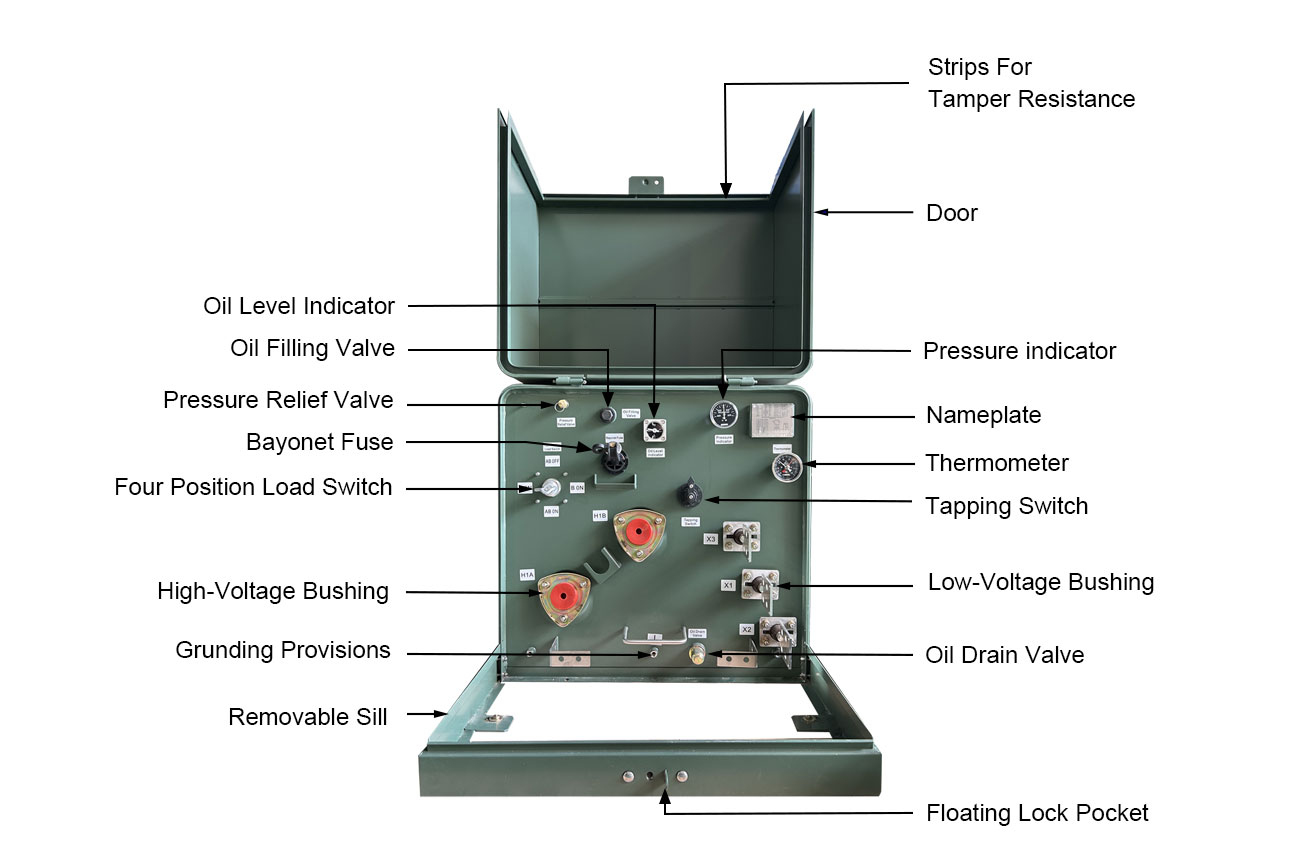
Fundamental Differences: How They Work
At its core, the difference lies in the power delivery system. A single phase pad mounted transformer is connected to a single-phase power source, typically used in residential areas and for small commercial loads. It has a simpler design with one primary and one secondary winding. In contrast, a three phase pad mounted transformer is connected to a three-phase power system, which is the standard for industrial, commercial, and utility-scale applications. It handles three alternating currents that are phase-shifted by 120 degrees, providing a constant and balanced power flow.
Head-to-Head Comparison: Key Decision Factors
| Factor | Single-Phase Pad Mounted Transformer | Three-Phase Pad Mounted Transformer |
|---|---|---|
| Typical Applications | Residential subdivisions, rural electrification, small retail stores, street lighting, small solar pad mounted transformer for residential microgrids. | Industrial plants, shopping malls, data centers, large commercial buildings, utility substations, large-scale solar pad mounted transformer for utility-scale PV farms. |
| Power Capacity Range | Lower capacity, commonly from 25 kva pad mounted transformer up to 333 kva. | Higher capacity, ranging from 45 kVA to over 5000 kva (e.g., 500kva pad mount transformer, 1500 kva pad mounted transformer, 3000 kva pad mounted transformer). |
| Efficiency & Power Density | Generally efficient for light loads, but power delivery is pulsating. Lower power density for the same physical size compared to three-phase. | Higher efficiency for balanced loads, constant power transfer. Higher power density, meaning a 750 kva pad mounted transformer can be more compact than multiple single-phase units of equivalent total capacity. |
| Cost Considerations | Lower initial unit cost for smaller capacities (e.g., 75 kva pad mounted transformer). Simpler installation. | Higher initial unit cost, but often lower total cost per kVA for large projects. More complex installation requires skilled personnel. |
| Reliability & Redundancy | A failure results in a complete outage for all connected customers. Often used in banks of three to serve three-phase loads, providing some redundancy. | Inherently more reliable for three-phase motors. A fault on one phase may allow reduced-capacity operation on the remaining two (depending on configuration). |
| Standards & Certifications | Must comply with ANSI standard pad mount transformer C57.12.20 and IEEE standard pad mount transformer C57.12.38. Requires UL listed pad mounted transformer or cUL certified pad mounted transformer for North America. | Governed by ANSI/IEEE C57.12.34. Also requires UL and cUL certifications. Must meet DOE2016 efficiency regulations. |
Application-Specific Guidance: Making the Right Choice
When to Choose a Single-Phase Pad Mounted Transformer
- Residential Developments: The backbone of North American residential power. A 100 kva pad mounted transformer or 167 kva pad mounted transformer can serve a small cluster of homes.
- Light Commercial: Small offices, convenience stores, or standalone restaurants with primarily lighting and receptacle loads.
- Rural or Remote Areas: Where the three-phase grid is not extended, single-phase pad mounted distribution transformers are the standard.
- Specific Solar Applications: Small commercial rooftop solar systems or community solar projects under 250 kVA might use a dedicated single phase pad mounted transformer.
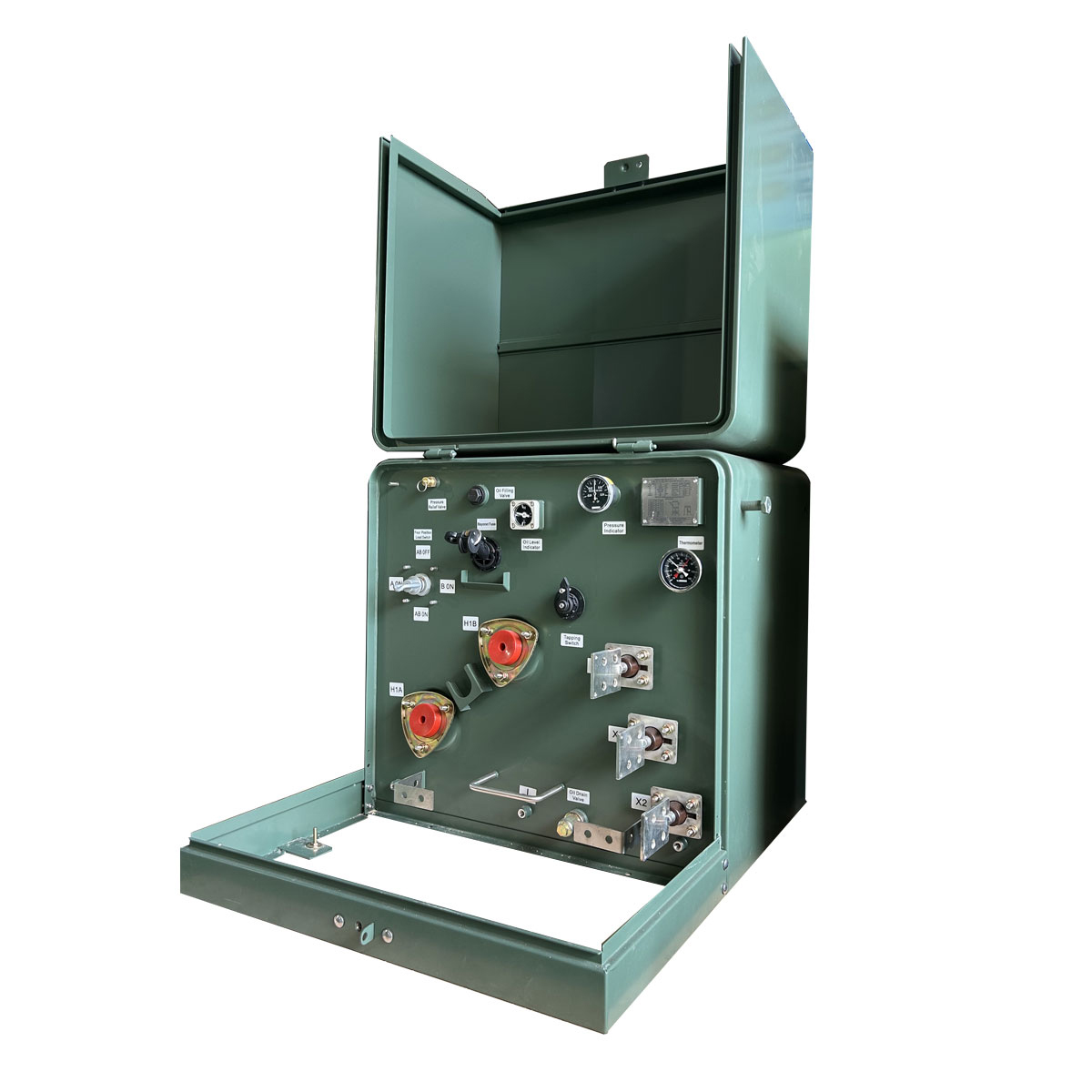
When a Three-Phase Pad Mounted Transformer is Essential
- Industrial Facilities: To power three-phase motors, CNC machines, and heavy machinery. Capacities like 225 kva pad mount transformer, 1000 kva pad mounted transformer, or even 3750 kva pad mounted transformer are common.
- Large Commercial Buildings: Hospitals, universities, and shopping centers with centralized HVAC, elevators, and data centers.
- Utility Distribution & Substations: As the workhorse for stepping down voltage for neighborhood distribution. Pad mounted transformers for utility are predominantly three-phase.
- Utility-Scale Solar Farms: A solar pad mounted transformer (often a 2500 kva or 5000 kva unit) is critical for aggregating inverter output and connecting to the medium-voltage grid.
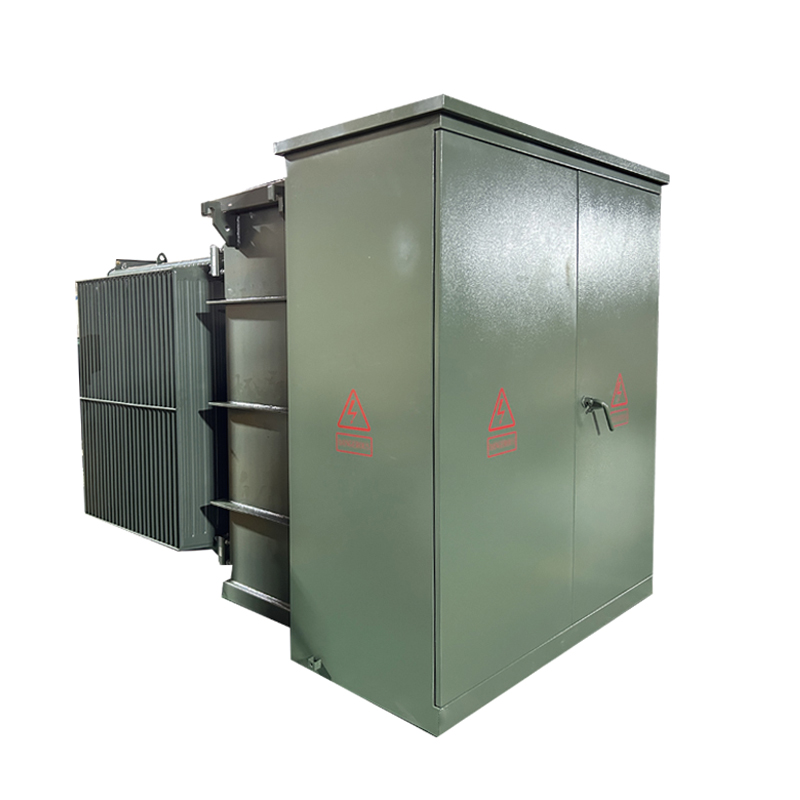
Industry Trends Influencing the Choice
The decision is no longer just about load type. Recent trends are reshaping application boundaries:
- Grid Modernization: Utilities are deploying more pad mounted transformers with smart sensors for monitoring, favoring standardized three-phase units for data-rich feeder management.
- Electric Vehicle (EV) Charging Infrastructure: Fast-charging stations require significant three-phase power, pushing demand for robust three phase pad mounted transformers in commercial corridors.
- Biodegradable Fluids: The shift to ester-based fluids like FR3™ in oil type transformers is applicable to both single and three-phase units, driven by environmental and fire safety regulations.
- Supply Chain & Localization: Reliable pad mounted transformer manufacturers like Winley Electric, which offer both single and three-phase UL listed and cUL certified products, are becoming strategic partners for North American utilities seeking to diversify supply.
Partnering with a Certified Manufacturer: The Winley Electric Advantage
Whether your project calls for a compact 50 kva pad mounted transformer or a massive 2000 kva pad mount transformer, partnering with a technically proficient and certified manufacturer is paramount. Winley Electric stands out as a leading pad mounted transformer manufacturer with a decade of expertise.
Why Choose Winley Electric for Your Pad Mount Transformer Needs?
- Full Range & Customization: Produces both high-quality single phase and three phase pad mounted transformers from 15 kVA to 5500 kVA, including specialized solar pad mounted transformers.
- Uncompromising Standards Compliance: All products are designed to meet ANSI, IEEE, CSA, and DOE2016 standards. They are available as UL listed pad mounted transformer and cUL certified pad mounted transformer options.
- Proven Quality & Reliability: With over 20 patents and a "zero quality problems" reputation built over 10 years, Winley's oil-immersed pad mount transformers are known for low loss and long service life.
- Global Support: Exports to over 60 countries with 24/7 technical support, offering everything from product selection and drawing design to installation guidance.
Contact Winley Electric Today:
E-mail: steven@winley-electric.com
Tel: +86-592-5510031
Website: https://www.winley-electric.com/
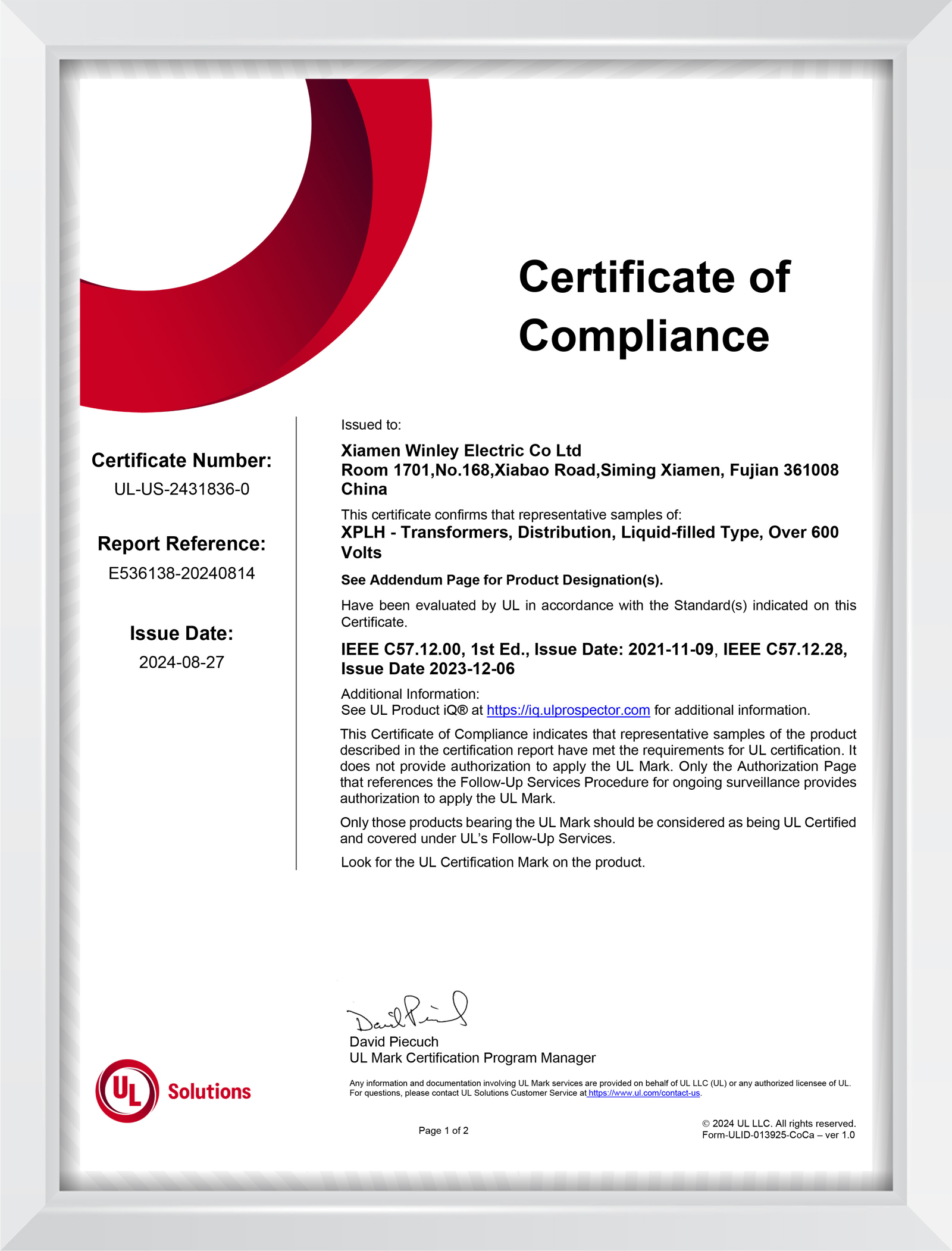
Winley Electric's UL certification for three phase pad-mounted transformer ensures compliance and safety for North American projects.
Conclusion: It's About Fit, Not Just Features
There is no universal "better" option between single-phase and three-phase pad mounted transformers. The optimal choice is dictated by your specific load profile, project scale, local grid configuration, and future expansion plans. For residential and light single-phase loads, a single phase pad mounted transformer is the simple, cost-effective solution. For any application involving three-phase motors, high-density commercial loads, or utility-scale generation like solar farms, a three phase pad mounted transformer is non-negotiable for efficiency and performance.
As you evaluate pad mount transformers for sale, prioritize manufacturers like Winley Electric that offer certified products, deep technical expertise, and the flexibility to provide the right oil-immersed transformer or distribution transformer solution, ensuring your project's power foundation is reliable, efficient, and built to last.
Have Questions or Need More Details?
Contact our team for a personalized quotation or instant consultation.
Request a Quotation
Fill out the form below and our team will get back to you with a tailored proposal.
WhatsApp Direct Chat
Prefer to chat in real-time? Message us on WhatsApp for instant assistance & quick answers.
- Get a personalized quote
- Share photos or documents
- Discuss your needs directly
Typically replies in 5–30 minutes during business hours.