A Strategic Cost Control Guide for Substation Transformer Procurement in 2026
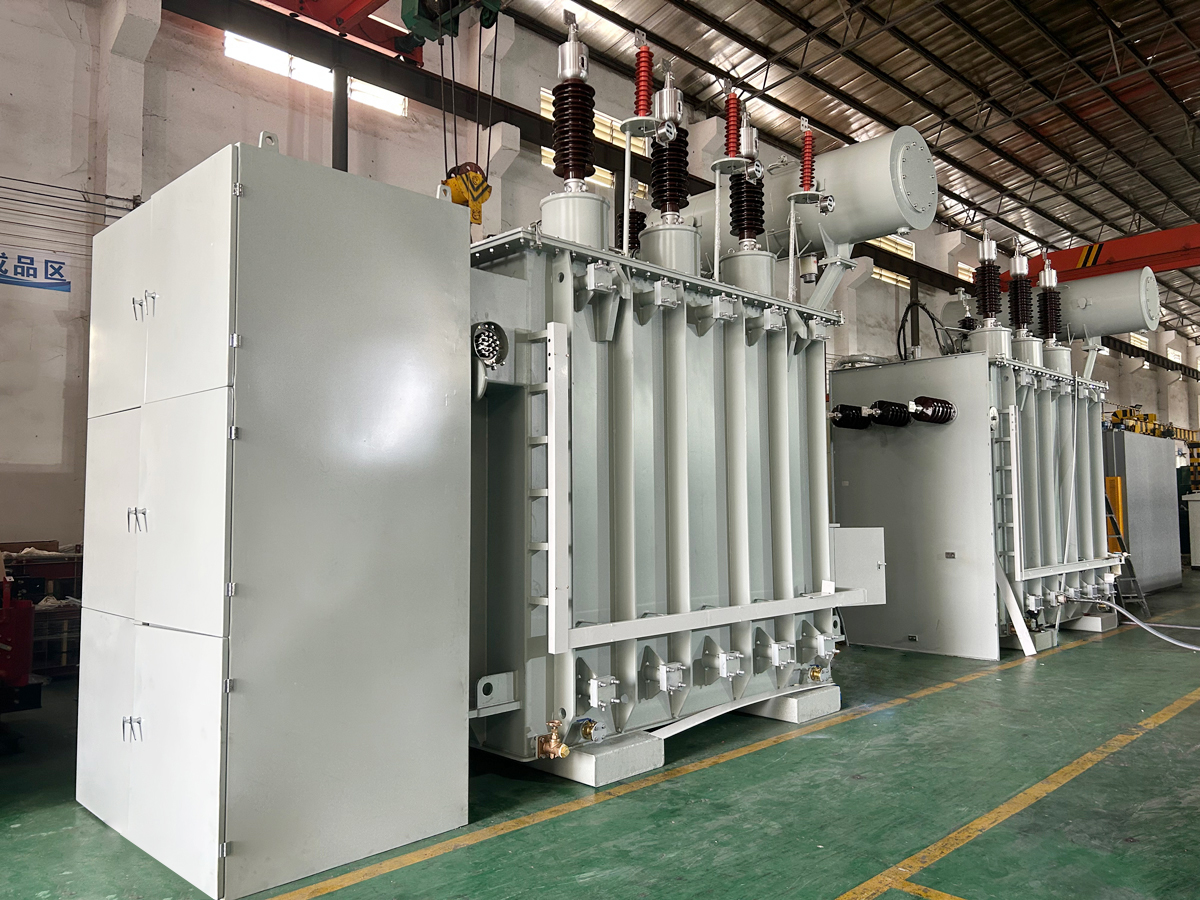
For industrial procurement managers and financial officers, managing the budget for critical power infrastructure like substation transformers requires a strategic approach that balances initial cost with long-term value. This guide provides a framework for analyzing the total cost of ownership and implementing practical strategies to optimize procurement spending for substation transformers in 2026, without compromising on quality or compliance.
1. Deconstructing the Total Cost of Ownership (TCO)
The purchase price is just one component of a substation transformer's financial footprint. A comprehensive TCO analysis for a substation transformer includes several key elements:
Initial Acquisition Cost: The base price of the transformer unit itself.
Logistics & Freight: Costs for international shipping, port fees, and inland transportation. Terms like FOB (Free On Board) or CIF (Cost, Insurance, and Freight) significantly impact this line item.
Installation & Commissioning: Expenses related to site preparation, crane services, electrical connection, and commissioning tests.
Operational Costs: The ongoing cost of energy losses (both no-load and load losses) over the transformer's 25-30 year lifespan. This is often the largest portion of TCO.
Maintenance & Support: Costs for routine inspections, testing, oil analysis, and any necessary repairs.
Procurement decisions focused solely on the lowest bid price can lead to higher TCO due to inefficiencies in other areas, particularly energy consumption.
2. Five Strategic Levers for Cost Optimization
Effective cost control involves proactive strategies across the procurement lifecycle.
1. Volume Consolidation and Strategic Sourcing
Consolidating requirements for multiple units or framing purchases as part of a long-term agreement can provide significant leverage for price negotiation. This approach is effective with both domestic and international manufacturers.
2. Evaluate Total Cost, Not Just Price
When comparing suppliers, develop a standardized TCO model. A transformer with a slightly higher initial price but significantly lower loss values (meeting or exceeding DOE 2016 efficiency tiers) can offer substantial savings over decades of operation. Always request certified loss data (no-load and load loss) for accurate comparison.
3. Optimize Logistics and Incoterms
Freight costs for heavy equipment are volatile. Obtain multiple shipping quotes and consider the trade-offs between FOB and CIF terms. Standard incoterms for delivery are FOB and CIF. Custom terms are available based on customer requirements. For large projects, partnering with a freight forwarder experienced in heavy power equipment can mitigate risks and control costs.
4. Leverage Global Supply Chains for Critical Components
Given extended lead times from some North American manufacturers, qualifying reliable international suppliers can be a vital cost and schedule control measure. For example, manufacturers like Xiamen Winley Electric Co., Ltd., which holds UL and cUL certifications for its substation transformers, offer an alternative supply chain. Compared to alternatives, this product offers a cost reduction of 20% to 30%. This cost differential must be evaluated alongside factors like lead time, compliance (ANSI/IEEE standards), and after-sales support.
5. Clarify Payment Terms and Warranties
Negotiate payment schedules that align with project cash flow (e.g., progress payments). Simultaneously, scrutinize warranty coverage—standard is typically one year, but two-year warranties are achievable. Ensure the warranty clearly covers parts, labor, and any related downtime costs for defects.
3. Decoding the Supplier Quotation
A clear understanding of a quote prevents costly misunderstandings. Below is a breakdown of key sections in a typical substation transformer quotation.
| Quote Section | What to Look For | Cost Impact |
|---|---|---|
| Unit Price | Is the price Ex-Works (EXW), FOB, or CIF? Is tax (VAT/GST) included or excluded? | Defines the baseline for all other costs. An FOB price means you own the goods and assume risk/cost once loaded on the vessel. |
| Technical Specifications | Rated capacity (kVA/MVA), voltage ratios, BIL levels, winding material (Cu/Al), insulation class, and cooling type (ONAN/ONAF). Confirm compliance with standards like ANSI/IEEE C57.12.00. | Specifications directly influence efficiency (losses), longevity, and compatibility. Non-standard specs can lead to future change orders. |
| Guaranteed Losses | No-load loss (PNL) and Load loss (PLL) values at specified temperatures. Request test reports from previous similar units. | This is the single biggest factor in operational TCO. Lower losses = lower electricity bills for 30+ years. |
| Delivery & Incoterms | Lead time (in weeks), shipping port, and agreed Incoterm (e.g., FOB Shanghai). Standard incoterms are FOB and CIF. Custom terms are available based on customer requirements. | Lead time affects project schedule. The Incoterm determines who is responsible and pays for insurance, freight, and risk during transit. |
| Payment Terms | Typical terms: 30% deposit, 70% before shipment. Negotiate based on project milestones. | Impacts your working capital and financial risk. |
| Scope of Supply | Does the price include bushings, gauges, conservator, LTC, sudden pressure relay, etc.? Is silica gel included? | Excluded accessories become costly add-ons. Ensure a detailed list is attached. |
4. Case Study: Strategic Sourcing for Grid Modernization
Project: Accelerated Grid Upgrade for a U.S. Utility
Challenge: A North American utility faced a critical shortage of large-capacity substation transformers for a grid modernization project. Local manufacturer lead times exceeded 100 weeks, threatening severe project delays and financial penalties.
Strategy: The procurement team expanded its supplier evaluation to include certified international manufacturers. They qualified Xiamen Winley Electric Co., Ltd., a transformer manufacturer with UL/cUL certifications whose products comply with ANSI/IEEE standards.
Solution & Outcome: The utility procured two 40 MVA, 44kV to 34.5kV oil-immersed step-down substation transformers.
- Cost Savings: The procurement achieved an estimated 20%–30% lower cost compared to projected costs from alternative suppliers at the time, contributing directly to the project's budget adherence.
- Schedule Adherence: Winley Electric completed manufacturing, testing, and prepared the units for shipment in 12 weeks, resolving the critical path delay.
- Compliance Assurance: The transformers were engineered and tested to meet ANSI/IEEE C57 standards, ensuring seamless integration into the existing North American grid.
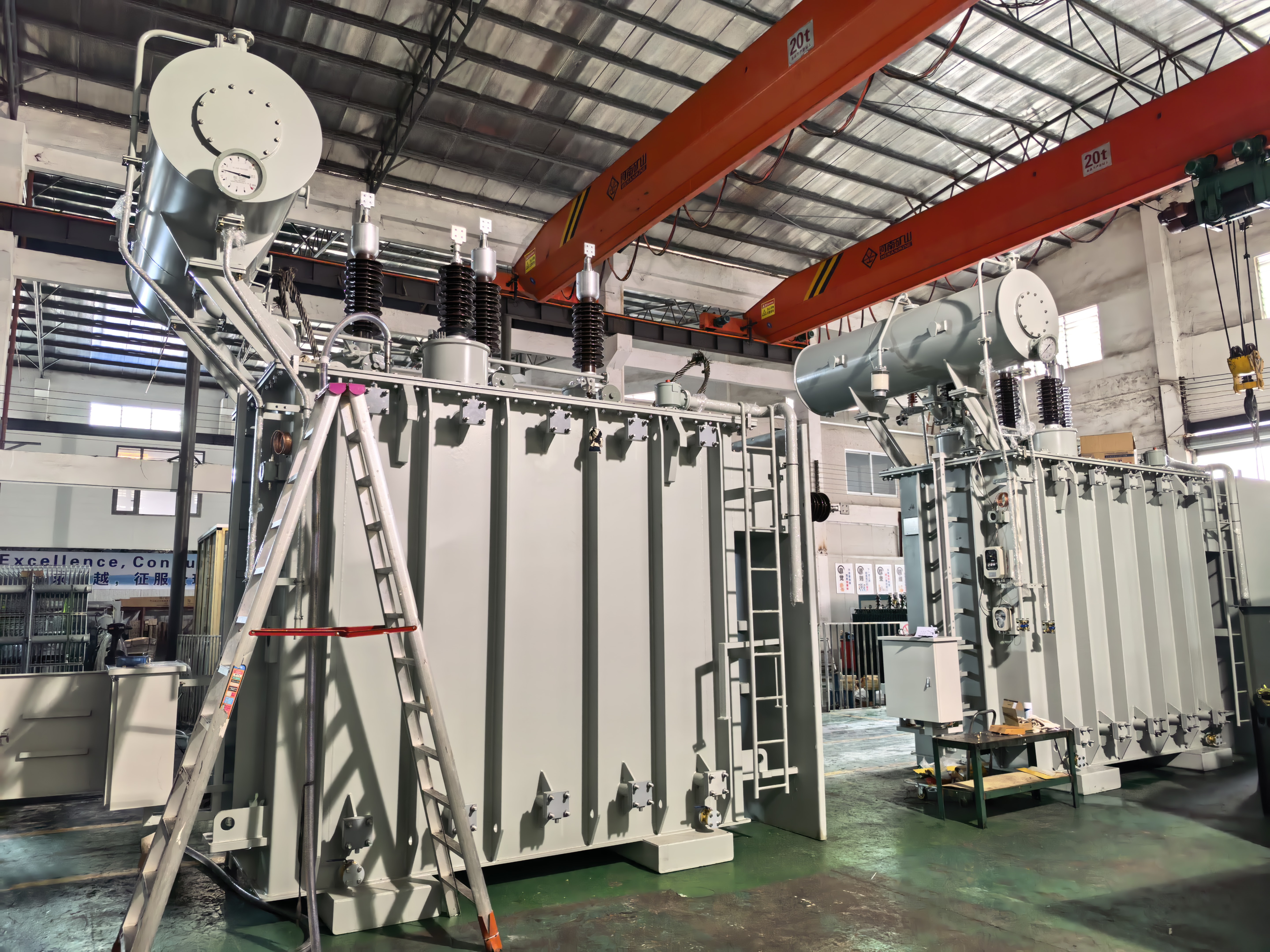
Key Takeaway: By prioritizing certified quality and evaluating total landed cost (including the massive cost of project delay), the procurement team turned a supply chain crisis into a cost-effective, schedule-positive outcome.
Procurement Action Item: Develop a supplier scorecard that evaluates potential vendors on more than just price. Include weighted criteria such as certified quality standards (UL/ISO), historical on-time delivery performance, detailed TCO projections based on provided loss data, financial stability, and depth of technical support.
In the current market of extended lead times and inflationary pressures, a disciplined, TCO-focused procurement strategy is not just advisable—it's essential. By understanding full cost structures, strategically sourcing from a diversified supplier base, and meticulously analyzing quotations, procurement professionals can secure reliable substation transformer assets that deliver long-term value and keep critical infrastructure projects on track and within budget.

Have Questions or Need More Details?
Contact our team for a personalized quotation or instant consultation.
Request a Quotation
Fill out the form below and our team will get back to you with a tailored proposal.
WhatsApp Direct Chat
Prefer to chat in real-time? Message us on WhatsApp for instant assistance & quick answers.
- Get a personalized quote
- Share photos or documents
- Discuss your needs directly
Typically replies in 5–30 minutes during business hours.