Navigating the Sourcing Maze: A Practical Guide to Procuring ANSI/IEEE Pad Mounted Transformers for North American Projects
For industrial buyers and project managers in North America, sourcing a reliable pad mounted transformer is a critical but complex task. The process involves navigating technical specifications, international logistics, and stringent compliance requirements. This guide provides a structured, step-by-step approach to procuring ANSI/IEEE standard pad mount transformers, focusing on the North American market for applications such as utility grids, commercial complexes, and renewable energy projects. The goal is to equip procurement professionals with the knowledge to execute efficient, risk-mitigated purchases.
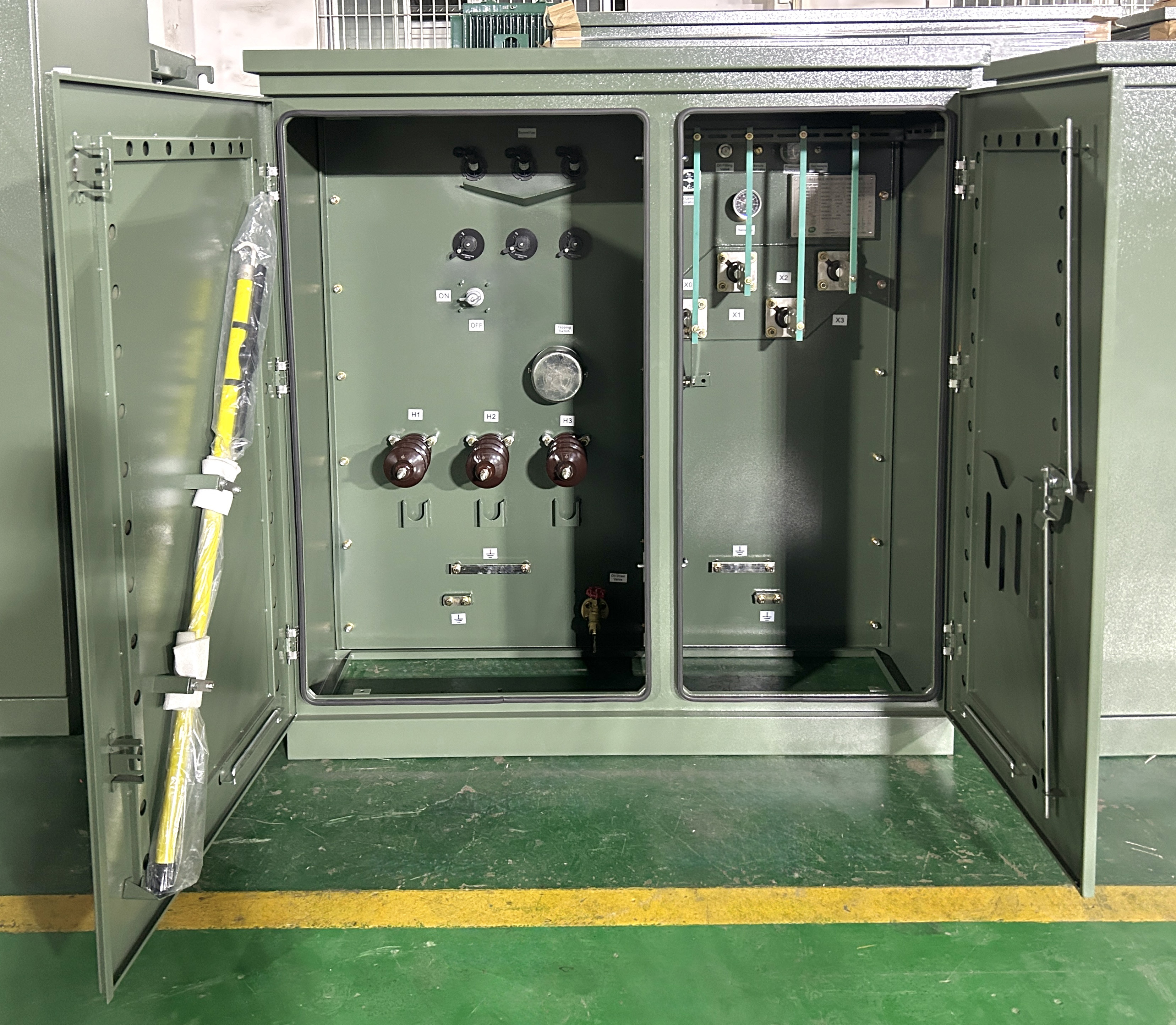
A 500KVA Three Phase Pad Mounted Transformer, a common specification for commercial and industrial applications.
1. Pre-Procurement Preparation: Defining Your Core Requirements
Before contacting any pad mounted transformer manufacturers, clearly define three non-negotiable elements. This clarity prevents scope creep and ensures you receive accurate, comparable quotes.
1.1 Technical & Performance Specifications
- Capacity & Voltage: Precisely define the kVA rating (e.g., 500kva, 1000 kva, 1500 kva) and primary/secondary voltages (e.g., 12.47kV to 480Y/277V).
- Type: Decide between an Oil-immersed transformer (for outdoor, high-efficiency needs) or a Dry-type transformer (for indoor, safety-critical, or environmentally sensitive locations).
- Phase: Specify if you need a single phase pad mounted transformer (typically for residential or light commercial) or a three phase pad mounted transformer (for industrial and commercial loads).
- Efficiency: Mandate compliance with DOE 2016 energy conservation requirements.
1.2 Budget & Commercial Framework
Establish a total landed cost budget, including the unit price, shipping, insurance, duties, and potential installation support. Determine your acceptable payment terms. For example, some manufacturers, like Xiamen Winley Electric Co.,Ltd, may offer flexible terms, but a common structure involves a 30% deposit upon order confirmation.
1.3 Compliance & Certification Mandates
For the North American market, certifications are not optional. Your supplier must provide evidence of compliance. The essential marks include: UL Listed cUL Certified ANSI/IEEE C57 Standards
These certifications, held by manufacturers like Winley Electric for their pad mounted distribution transformers, are your primary assurance of safety, interoperability, and grid acceptance.
2. Supplier Negotiation: The Four Critical Contractual Points
Once you have shortlisted qualified pad mounted transformer manufacturers, negotiations must focus on these key clauses to protect your project timeline and budget.
2.1 Minimum Order Quantity (MOQ)
Many manufacturers offer flexible MOQs. For instance, the minimum order quantity is 1 set. This is advantageous for pilot projects, replacements, or small-scale deployments.
2.2 Quotation Breakdown & Payment Terms
Insist on a detailed, line-item quote. It should separate the transformer cost, optional accessories, testing fees, packaging, and inland freight to the port. Clarify payment milestones (e.g., 30% deposit, 70% before shipment).
2.3 Lead Time & Delivery Schedule
Get a firm, written commitment on the production lead time. For standard ANSI standard pad mount transformers, lead times can range from 8-16 weeks. Factor this into your overall project schedule. The delivery terms (e.g., FOB Shanghai or CIF Los Angeles) must be explicitly stated in the proforma invoice.
2.4 Warranty & Quality Assurance Provisions
Standard warranties are typically 1-2 years. Negotiate for a comprehensive warranty that covers materials and workmanship. Ensure the contract specifies that the supplier will provide pre-shipment test reports (routine tests like turns ratio, resistance, and dielectric tests) as part of the delivery package. Some manufacturers offer a 2-year free maintenance service.
3. The Cross-Border Procurement Process: From Order to Site
Importing a pad mount transformer for sale from an international supplier involves a defined sequence of steps.
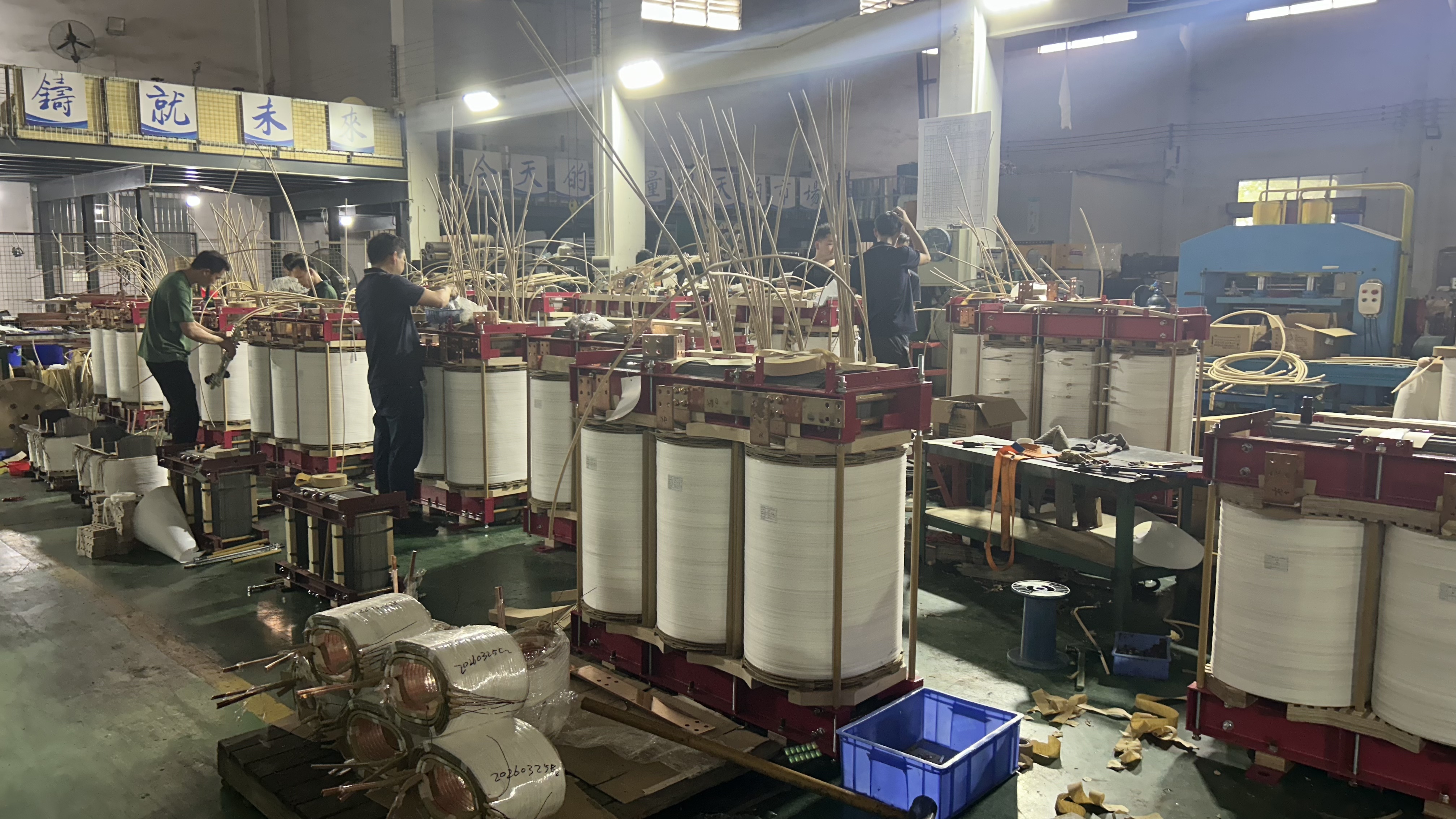
Factory testing, such as this on a 2550kVA unit, is a critical step before shipment.
4. Risk Mitigation Strategies for Cross-Border Procurement
Being aware of common pitfalls allows you to build safeguards into your procurement process.
| Risk | Potential Impact | Recommended Mitigation Strategy |
|---|---|---|
| Quality Non-Conformance | Transformer fails site acceptance or utility inspection, causing project delays and costly rework/replacement. |
|
| Delivery Delay | Missed project milestones, labor idle time, and potential liquidated damages. |
|
| Lack of After-Sales Support | Difficulty resolving operational issues, obtaining spare parts, or handling warranty claims. |
|
Conclusion: Building a Resilient Supply Chain
Successfully procuring a pad mounted transformer for a North American project requires a blend of technical diligence and commercial acumen. By meticulously defining requirements, negotiating clear contractual terms, understanding the import logistics chain, and proactively mitigating key risks, industrial buyers can secure reliable, compliant equipment that powers their projects on time and on budget. The evolving global supplier landscape, with certified manufacturers offering competitive and reliable solutions, provides viable options beyond traditional domestic sources.
For Further Reading: Procurement professionals are encouraged to review detailed supplier analyses, such as the article "China's Top 3 Pad Mount Transformer Manufacturers - Leading the Market for Oil-Immersed and Dry-Type Distribution Transformers", which provides deeper insights into the capabilities and market positioning of leading global suppliers.

Have Questions or Need More Details?
Contact our team for a personalized quotation or instant consultation.
Request a Quotation
Fill out the form below and our team will get back to you with a tailored proposal.
WhatsApp Direct Chat
Prefer to chat in real-time? Message us on WhatsApp for instant assistance & quick answers.
- Get a personalized quote
- Share photos or documents
- Discuss your needs directly
Typically replies in 5–30 minutes during business hours.