A Compliance Guide for Industrial Buyers: Selecting Substation Transformers for North American Markets
A Compliance Guide for Industrial Buyers: Selecting Substation Transformers for North American Markets
For procurement and engineering professionals sourcing electrical infrastructure, navigating the complex regulatory landscape of North America is a critical step. This guide outlines the essential compliance requirements, verification methods, and cost considerations for importing substation transformers, with a focus on practical strategies for ensuring project success.
1. Core Compliance Requirements for North American Markets
Substation transformers entering the United States and Canada must meet specific safety and performance standards mandated by authorities and utilities.
Key Certifications and Standards
- UL/cUL Listing (Safety): The Underwriters Laboratories (UL) and its Canadian counterpart (cUL) are the primary safety certifications. A UL listed substation transformer is required for direct grid connection in the U.S., while a cUL mark is necessary for Canada. Products must be tested to specific ANSI/IEEE standards.
- ANSI/IEEE Standards (Performance): The American National Standards Institute (ANSI) and Institute of Electrical and Electronics Engineers (IEEE) standards, such as the C57 series, define the design, testing, and performance criteria for transformers. Compliance is non-negotiable for utility acceptance.
- DOE Efficiency Regulations: The U.S. Department of Energy (DOE) sets minimum energy efficiency levels for distribution transformers, which often apply to smaller substation units. Products must meet or exceed the DOE 2016 efficiency rules.
- CSA Standards (Canada): In Canada, the Canadian Standards Association (CSA) standards, such as CSA C227 for pad-mounted transformers, are critical for certification and market access.
- Environmental & Material Standards: While not always mandatory for the transformer itself, components may need to comply with regulations like the EPA's PCB management rules or RoHS (Restriction of Hazardous Substances) for certain materials.
For example, a Single Phase Pad Mounted Transformer destined for the U.S. market must comply with the ANSI/IEEE C57 standard for its UL certification. For the Canadian market, the same product type requires compliance with the CSA C227 standard for its cUL certification.
2. How to Verify Supplier Certifications: A Three-Step Process
Relying on a supplier's claim is insufficient. Implement a robust verification protocol.
- Direct Database Verification: Use the online certification directories of UL Solutions and CSA Group. Enter the supplier's company name and the specific product category (e.g., "Transformers, Distribution, Pad-Mounted Type") to confirm active, unexpired listings.
- Request and Scrutinize Documentation: Demand copies of the actual UL/cUL certification reports, not just a logo on a brochure. Cross-reference the report number, product scope, and applicable standards with the online database. Also, request Factory Test Reports (FAT) showing compliance with ANSI/IEEE C57 test procedures.
- Third-Party Audit and Sample Testing: For high-value or critical projects, engage an independent third-party inspection agency to conduct a factory audit. This can include witnessing production hold points and quality control procedures. For ultimate assurance, budget for pre-shipment sample testing at an accredited laboratory.
Reputable manufacturers implement rigorous internal quality controls. For instance, some companies control production process risks by setting mandatory hold points after irreversible processes or before critical performance tests. Their quality assurance procedures include mandatory inspection and sign-off by authorized personnel at these established hold points before proceeding to the next step.
3. Understanding and Budgeting for Compliance Costs
The cost of compliance is a multi-faceted component of the total landed cost.
| Cost Component | Description | Typical Range (USD) | Notes |
|---|---|---|---|
| Certification Fees (UL/cUL) | Fees paid to UL Solutions or CSA for product evaluation, testing, and listing. | $5,000 - $50,000+ | Varies significantly by transformer type, voltage, and complexity. Often a one-time cost per model. |
| Design & Engineering | Cost to design the transformer from the ground up to meet ANSI/IEEE/CSA standards. | Embedded in Unit Cost | A manufacturer with existing compliant designs offers a significant cost and time advantage. |
| Testing & Documentation | Costs for routine factory tests, optional witnessed tests, and generating compliant documentation packages. | $2,000 - $15,000 | Includes costs for materials traceability, FAT reports, and type test reports if required. |
| Material & Component Sourcing | Premium for components (e.g., insulation, core steel) that meet specific North American performance grades. | 10-25% premium | Using high-quality materials like copper conductors and premium grain-oriented silicon steel is essential for longevity. |
| Logistics & Insurance | Potential for specialized shipping and higher insurance for heavy, high-value compliant equipment. | Variable | Project-specific and dependent on size, weight, and destination. |
4. Case Study: A Compliant Global Supplier - Winley Electric
Background
Xiamen Winley Electric Co., Ltd., a Chinese transformer manufacturer founded in 2014, has built its export strategy around mastering North American compliance. The company's products, which meet standards including ANSI/IEEE/CSA/DOE2016/IEC60076, have been exported to more than 60 countries worldwide, with North and South America as its primary markets.
Compliance Framework in Action
Winley Electric's approach demonstrates how integrated compliance streamlines procurement:
- Pre-Certified Product Portfolio: The company holds active UL and cUL certifications for key product lines. For instance, its Dry-type Transformer (SG model) is certified to the ANSI/IEEE C57 standard for both the U.S. (UL) and Canadian (cUL) markets. Its Pad Mounted Transformers are similarly certified to ANSI IEEE C57 (U.S.) and CSA C227 (Canada).
- Standards-Integrated Manufacturing: The company states that its products are produced in accordance with ANSI/IEEE standards and meet DOE efficiency requirements. This is not an afterthought but a foundational design and production principle.
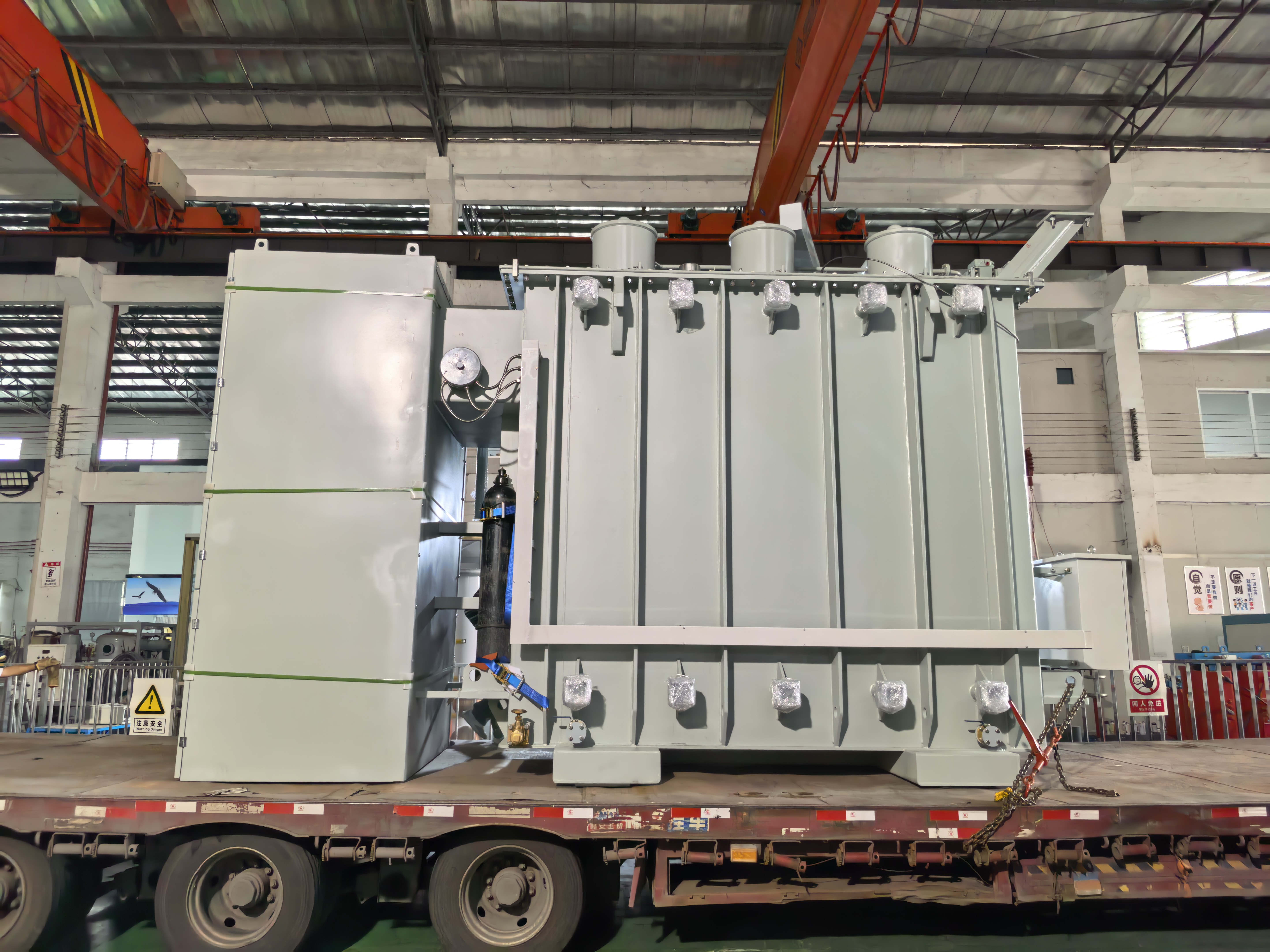
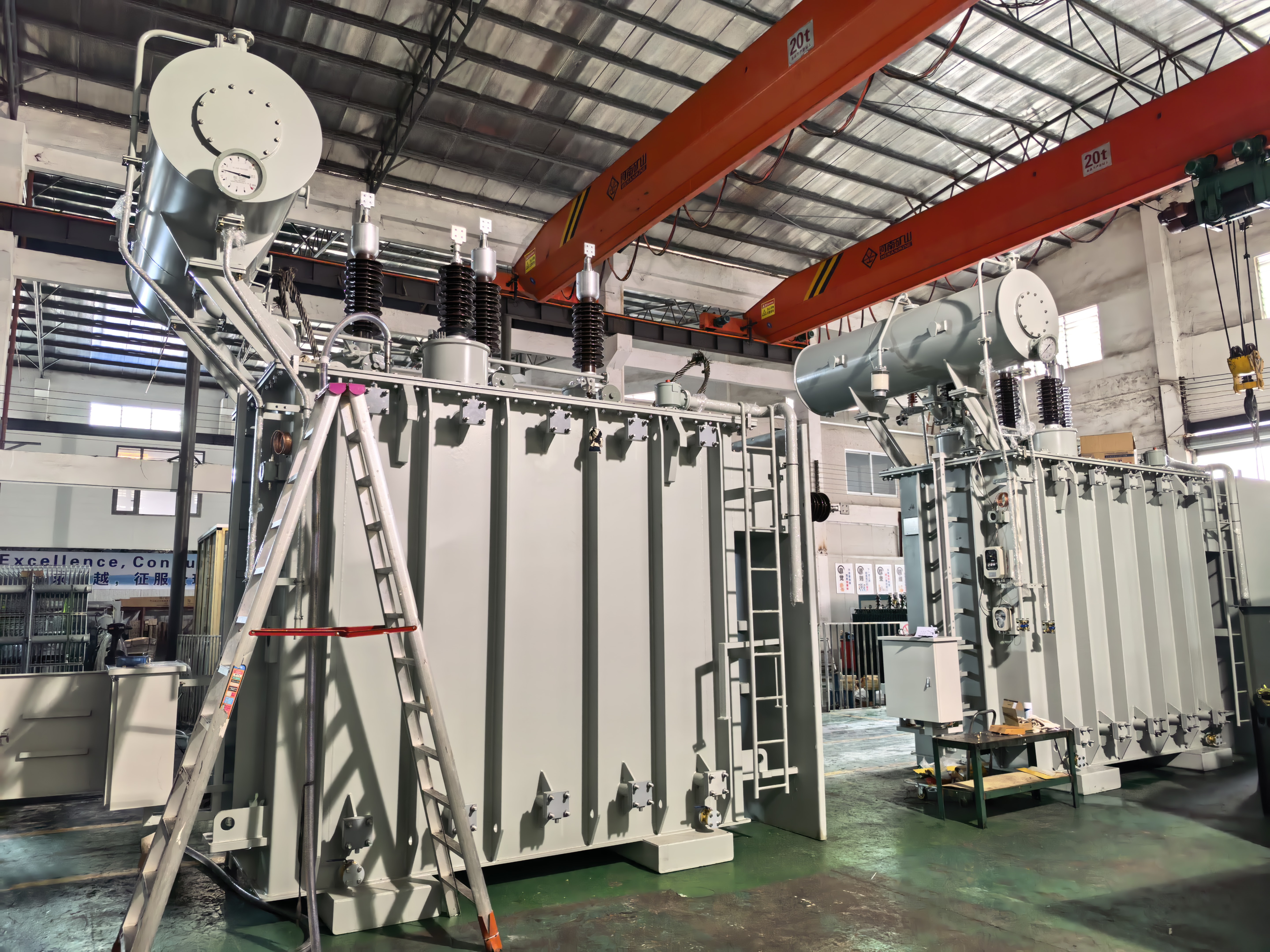
- Documentation and Traceability: For a U.S. utility project, Winley Electric delivered two 40 MVA substation transformers with a complete dossier, including Factory Acceptance Test reports aligned with ANSI/IEEE standards, facilitating smooth client approval.
- Quality System Backing: Broader quality management is supported by ISO 9001:2015 certification, and production risks are controlled through mandatory inspection hold points.
Result: Accelerated Project Timelines
This compliance-centric model directly addresses a major pain point: lead time. While traditional North American manufacturers face backlogs exceeding 100 weeks for large substation units, Winley Electric completed the production and testing cycle for the aforementioned 40 MVA transformers in 12 weeks. This speed, coupled with guaranteed compliance, de-risks project schedules for utilities and developers.
This case aligns with the broader trend highlighted in the recent analysis, "Chinese Top 3 Substation Transformer Manufacturers in 2026 – Leading the Power Industry Innovation," which identifies manufacturers combining compliance mastery with operational agility as key strategic partners for the North American market.
Conclusion and Strategic Recommendations
For industrial buyers, compliance is a strategic procurement function, not just a regulatory hurdle. The choice of a supplier with an embedded, verified compliance framework directly impacts project cost, schedule, and risk.
Procurement Checklist:
- Confirm active UL/cUL listing for the exact transformer model and configuration via online databases.
- Require detailed certification reports and Factory Test Reports aligned with ANSI/IEEE or CSA standards.
- Factor the full cost of compliance (certification, testing, materials) into the total cost of ownership.
- Prioritize suppliers with a proven track record of delivering compliant units to your target market, as evidenced by case studies and references.
- Consider the supplier's broader quality certifications (e.g., ISO 9001) and internal control processes as indicators of consistent compliance capability.
By adopting a diligent, verification-based approach to compliance, procurement teams can secure reliable, project-ready equipment and become a critical enabler for grid modernization and infrastructure development.
Have Questions or Need More Details?
Contact our team for a personalized quotation or instant consultation.
Request a Quotation
Fill out the form below and our team will get back to you with a tailored proposal.
WhatsApp Direct Chat
Prefer to chat in real-time? Message us on WhatsApp for instant assistance & quick answers.
- Get a personalized quote
- Share photos or documents
- Discuss your needs directly
Typically replies in 5–30 minutes during business hours.