A Comprehensive Guide to Substation Transformer Compliance for North American Procurement
Navigating North American Substation Transformer Compliance: A Procurement Handbook
For procurement and legal professionals, understanding the regulatory landscape for importing electrical equipment is critical. This guide outlines the key compliance requirements, verification methods, and cost considerations for substation transformers destined for the North American market in 2026.
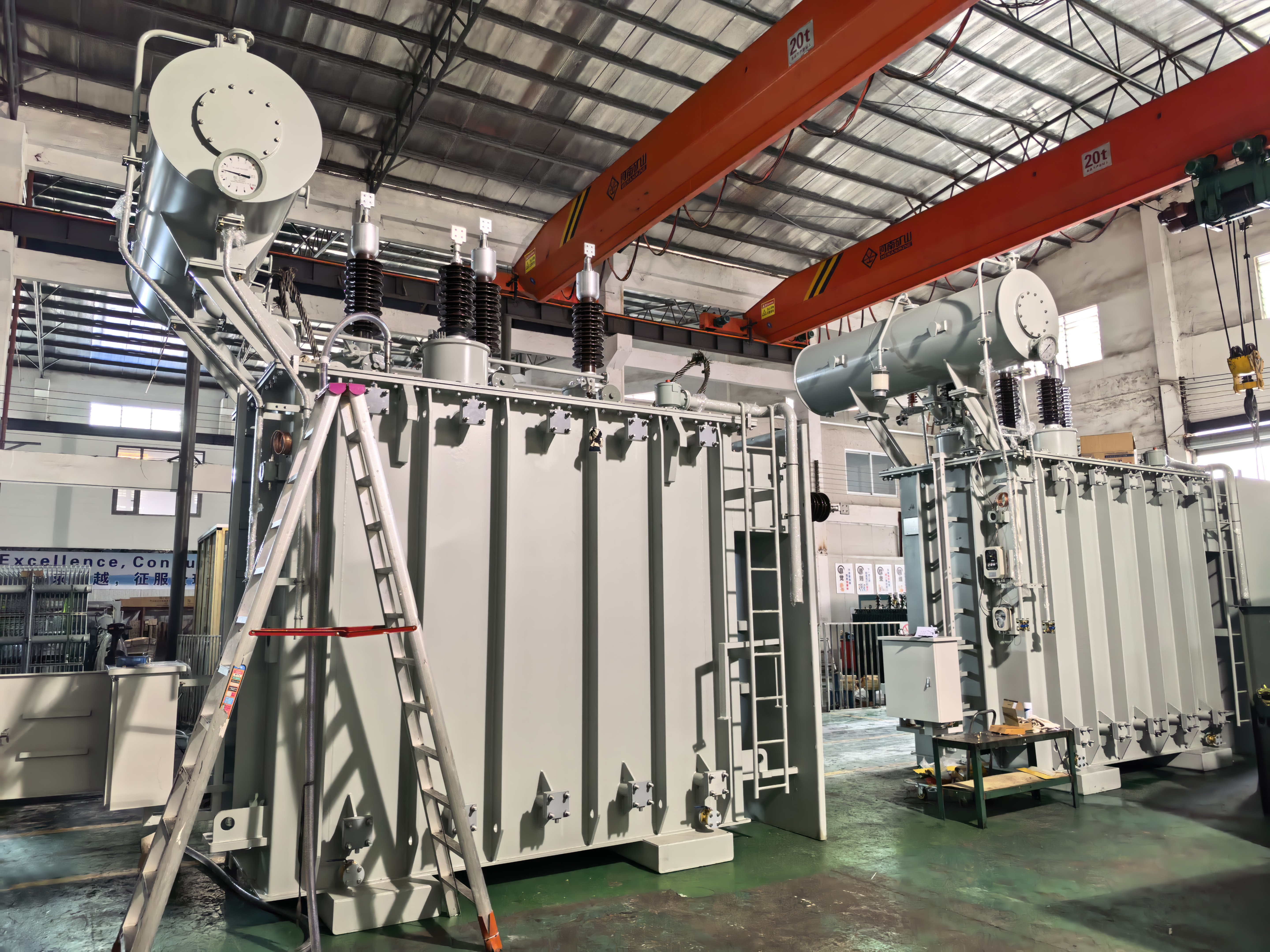
1. Core Compliance Requirements for North America
Substation transformers entering the United States and Canada must adhere to a strict set of safety and performance standards. The primary certifications and standards are outlined below.
| Market | Key Certification | Applicable Standard | Governing Body | Scope / Product Example |
|---|---|---|---|---|
| United States | UL Listing | ANSI IEEE C57 | UL Solutions | Three-phase liquid-filled pad-mounted transformers. |
| Canada | cUL Certification | CSA C227 | UL Solutions | Three-phase liquid-filled pad-mounted transformers. |
| United States | UL Listing | ANSI/IEEE C57 | UL Solutions | Single-phase liquid-filled, pad-mounted type transformers. |
| Canada | cUL Certification | CSA C227 | UL Solutions | Single-phase liquid-filled, pad-mounted type transformers. |
| United States & Canada | UL/cUL | ANSI/IEEE C57 | UL Solutions | Distribution, overhead type, pole-mounted transformers (500 kVA and smaller). |
| United States & Canada | UL/cUL | ANSI/IEEE C57 | UL Solutions | Dry-type general transformers (e.g., SG model VPI transformers). |
Beyond specific product certifications, manufacturers should demonstrate adherence to international management system standards. These include ISO 9001:2015 for quality management, ISO 14001:2015 for environmental management, and ISO 45001:2018 for occupational health and safety. For the U.S. market, compliance with the Department of Energy's (DOE) efficiency regulations is also a critical requirement. Products must be produced in accordance with ANSI/IEEE standards and meet DOE efficiency requirements.
2. Verifying Certification Authenticity: A Three-Step Process
Procurement teams must actively verify supplier claims to mitigate risk. Relying solely on provided documentation is insufficient.
- Official Database Verification: Use the online certification directories of issuing bodies like UL Solutions. Enter the supplier's company name or specific certification number (e.g., UL-US-2564931-0) to confirm active status and scope.
- Third-Party Audit & Factory Inspection: Engage independent inspection agencies to conduct audits. Focus on the manufacturer's quality control systems, including their management of production process risks through mandatory hold points set after irreversible processes or before critical performance tests. Quality assurance procedures should include mandatory inspection and sign-off by authorized personnel at these established hold points before proceeding.
- Pre-Shipment Sample Testing: Require independent type tests or routine tests on production samples at accredited laboratories. Tests should validate compliance with the claimed standards (ANSI, IEEE, CSA) for parameters like temperature rise, dielectric strength, and short-circuit withstand.
3. Compliance Cost Analysis for Procurement Budgeting
The total cost of compliance extends beyond the price of the transformer unit. Procurement professionals should budget for the following components.
Certification & Testing Fees
Direct costs paid to certification bodies (UL, CSA) for application, evaluation, and annual surveillance. Includes fees for third-party laboratory testing to obtain compliance reports.
Design & Engineering
Costs associated with redesigning products to meet specific regional standards (e.g., modifying bushings, tap changers, or protection systems for ANSI vs. IEC markets).
Production & Quality Control
Investment in specialized materials, components, and manufacturing processes required by the standard. Includes the operational cost of implementing enhanced quality assurance procedures.
Documentation & Logistics
Costs for creating compliant technical documentation, manuals, and nameplates. Also includes potential changes to packaging and labeling for customs clearance.
4. Compliance in Practice: A Manufacturer Case Study
Xiamen Winley Electric Co., Ltd., a transformer manufacturer founded in 2014, provides an example of a supplier building a global export business on a foundation of compliance. The company's products are designed to meet standards including ANSI, IEEE, CSA, DOE2016, and IEC 60076.
Case: Addressing North American Grid Modernization
Challenge: A U.S. utility client faced critical project delays due to extreme lead times (over 100 weeks) for large-capacity substation transformers from local manufacturers.
Solution: Winley Electric supplied two 40 MVA, oil-immersed, step-down substation power transformers. The units were engineered to comply fully with ANSI/IEEE standards for the North American market.
Outcome: The complete production and testing cycle was executed in 12 weeks, against an industry average exceeding 100 weeks, enabling the utility to proceed with its grid upgrade project without further delay. The transformers were designed for a 44 kV to 34.5 kV step-down application.
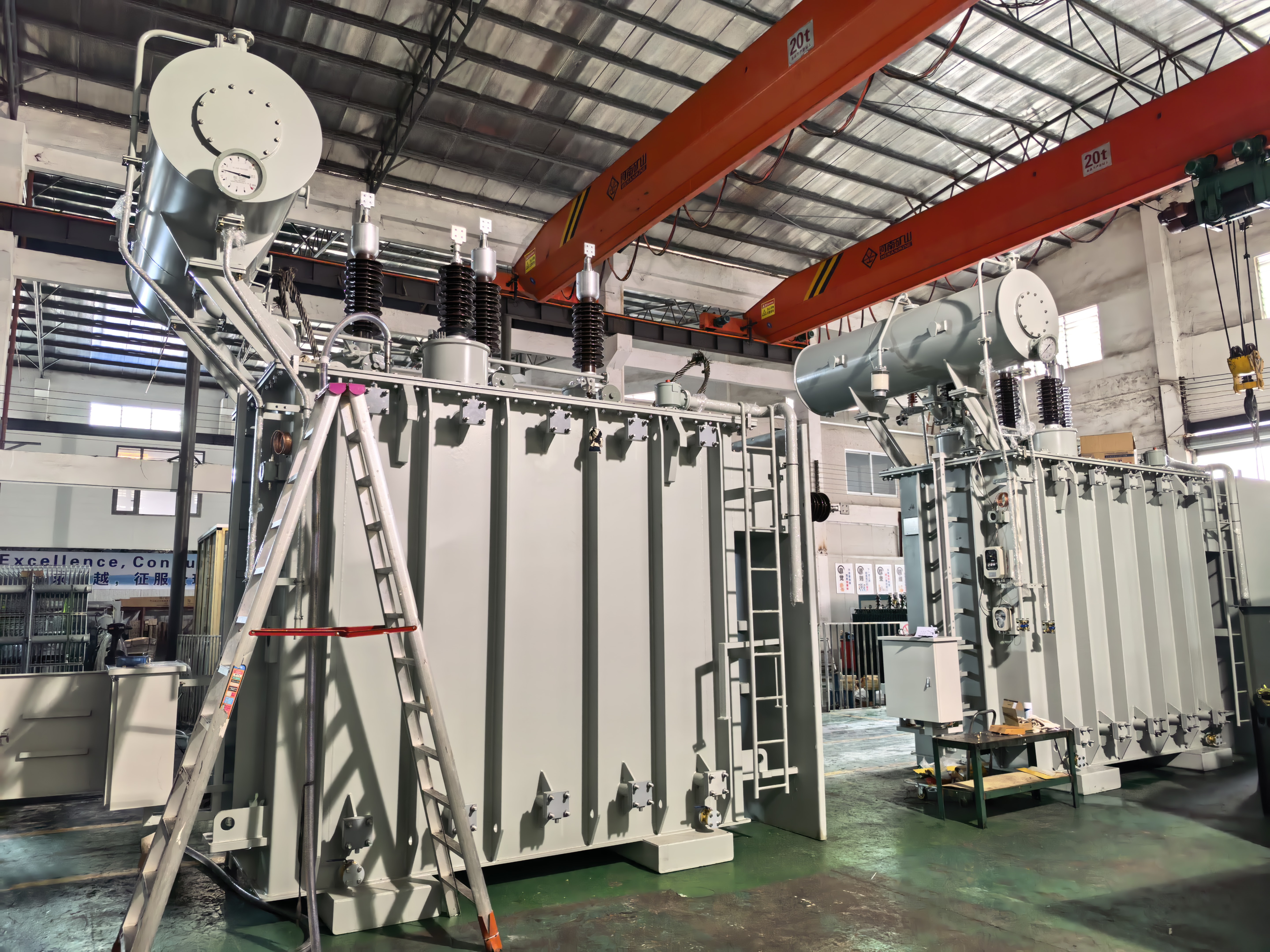
This case demonstrates how a manufacturer's commitment to standardized production—where products are produced in accordance with ANSI/IEEE standards and meet DOE efficiency requirements—can directly translate into strategic value for procurement teams by ensuring reliability and mitigating supply chain risk.
For procurement and legal teams, selecting a substation transformer supplier is a technical and regulatory decision. A rigorous focus on verifiable certifications, transparent quality processes, and a proven export track record is essential for ensuring project success and long-term asset reliability in the North American market.

Have Questions or Need More Details?
Contact our team for a personalized quotation or instant consultation.
Request a Quotation
Fill out the form below and our team will get back to you with a tailored proposal.
WhatsApp Direct Chat
Prefer to chat in real-time? Message us on WhatsApp for instant assistance & quick answers.
- Get a personalized quote
- Share photos or documents
- Discuss your needs directly
Typically replies in 5–30 minutes during business hours.