A Practical Guide for North American Buyers: Navigating Pad Mounted Transformer Procurement from China
1. Pre-Procurement Preparation: Defining Your Core Requirements
Before initiating contact with suppliers, clearly define three critical elements to ensure you receive accurate quotations and suitable product proposals.
- Technical Specifications: Determine the exact type, capacity, and voltage requirements. For North American applications, common pad mounted transformer types include three-phase units (75 kVA to 5500 kVA) and single-phase units (15 kVA to 833 kVA). Key parameters are primary voltage (e.g., 34.5kV, 13.8kV, 12.47kV, 4.16kV) and secondary voltage (e.g., 480Y/277V, 208Y/120V). Specify the feed type: loop feed or radial feed.
- Budget Range: Establish a clear budget that accounts for the unit cost, international shipping, insurance, customs duties, and potential installation support. Be prepared to discuss payment terms; common structures include a 30% deposit with order confirmation and 70% before shipment.
- Compliance & Certification Requirements: This is non-negotiable for the North American market. Your transformer must comply with relevant ANSI/IEEE standards (e.g., C57.12.00, C57.12.34) and hold the necessary safety certifications. For US market access, a UL listing is required. For Canada, a cUL certification is mandatory. Ensure the supplier can provide valid certification documents, such as UL certificate number UL-US-2431836-0 for three-phase liquid-filled pad-mounted transformers.
Procurement Tip: Compile a detailed technical data sheet (TDS) including all specifications, applicable standards (ANSI/IEEE, CSA, DOE 2016), and desired certification marks. This document will serve as the foundation for all supplier communications and the final purchase order.
2. Supplier Negotiation: Four Key Contractual Points
Successful negotiation hinges on clarity around operational and commercial terms. Focus on these four areas:
- Minimum Order Quantity (MOQ): Many Chinese manufacturers offer flexible MOQs. The standard MOQ can be as low as 1 unit, which is advantageous for pilot projects or smaller utility deployments.
- Quotation Breakdown: Request a detailed price breakdown. It should separate the unit price, cost of optional accessories (bushings, gauges, etc.), packaging, and inland freight to the port. This clarifies the FOB (Free On Board) value, which is crucial for calculating your total landed cost.
- Lead Time & Delivery Cycle: Obtain a firm production schedule. A typical lead time for custom pad mounted transformers is around 30 days from drawing approval and material readiness. Confirm the timeline for each stage: production, factory testing, packing, and port departure.
- Warranty & Quality Assurance Terms: Negotiate a clear warranty clause. Standard industry practice often includes a 2-year warranty covering material and workmanship defects. Ensure the warranty includes remote technical support. Clarify the protocol for handling potential non-conformities, including the possibility of third-party inspection.
Example from Industry: Transformer manufacturer Xiamen Winley Electric Co., Ltd. states a standard lead time of 30 days and an MOQ of 1 unit. Their products undergo acceptance inspection that includes pre-shipment test procedures. Delivery is typically arranged under FOB or CIF terms, as required by the customer.
3. Cross-Border Procurement Process: From Order to Commissioning
Importing from China follows a structured sequence. Understanding this flow helps in planning and monitoring.
Step 1: Order Confirmation & Contract
Finalize the commercial contract and technical agreement. Make the agreed advance payment (commonly 30%). Upon receipt, the supplier will release the official order confirmation and begin detailed engineering and material procurement.
Step 2: Production Follow-up & Milestone Reviews
Maintain regular communication. Reputable suppliers may provide production photos or schedule key hold-point inspections. For critical projects, consider hiring a third-party quality inspector in China to witness factory routine tests, which may include turns ratio, winding resistance, impedance, and no-load/loss measurements.
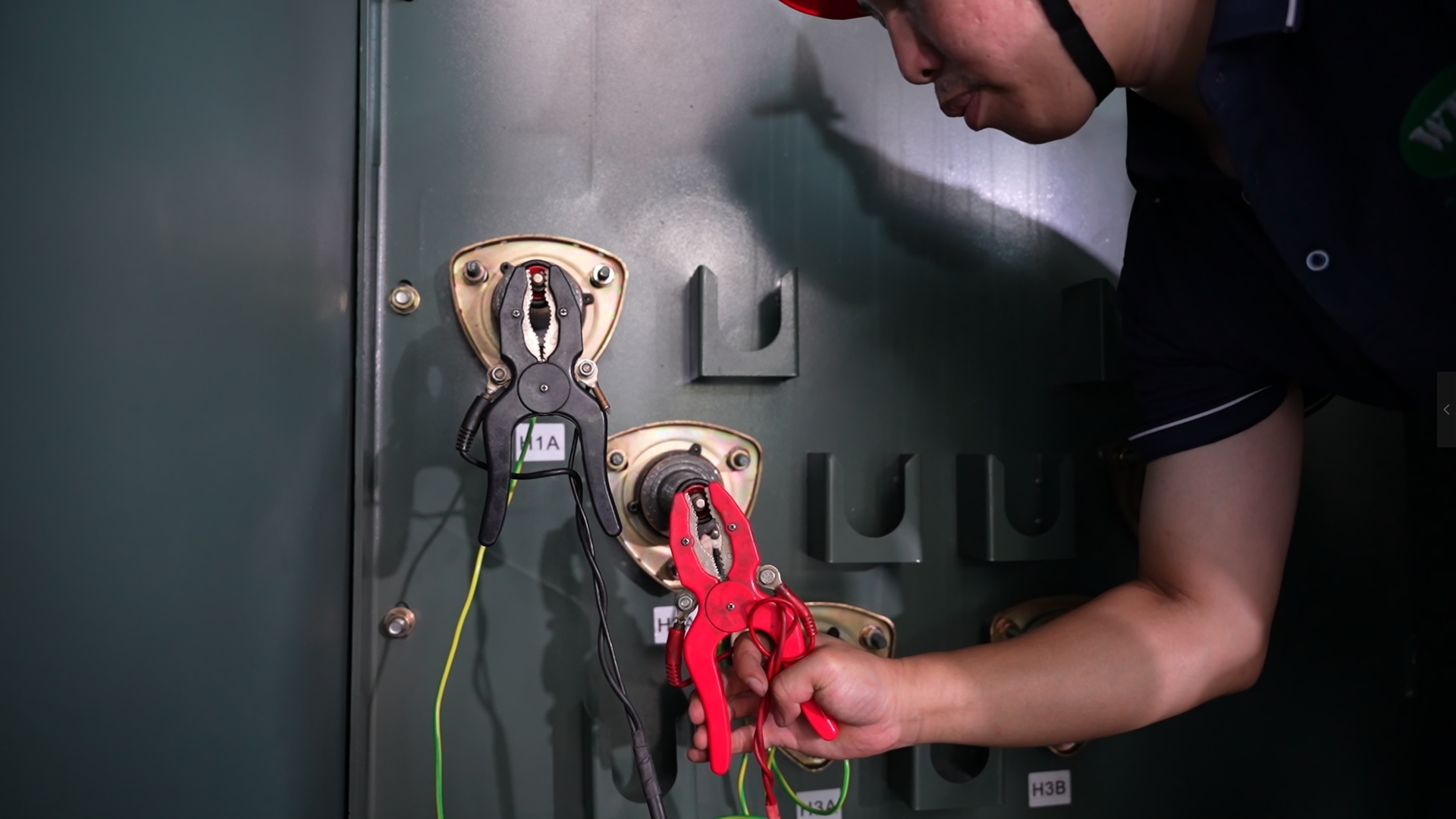
Step 3: Logistics, Shipping, and Customs Clearance
Once the pre-shipment test is passed and the balance payment is received, the supplier arranges export packaging and shipping. For heavy equipment like transformers, sea freight is standard. The supplier handles export customs in China. You or your freight forwarder must handle import customs clearance at the destination port (e.g., Los Angeles, Vancouver), providing documents like the commercial invoice, packing list, bill of lading, and the supplier's certification documents (UL/cUL).
Step 4: Site Delivery, Unloading & Final Acceptance
Arrange inland transportation from the port to the job site. Upon delivery, conduct a visual inspection for any shipping damage. The final acceptance test is typically performed during commissioning by your field engineers, verifying voltage, phasing, and operational parameters against the nameplate and contract specifications.
4. Risk Mitigation: Three Major Cross-Border Risks and Proactive Strategies
Being aware of common pitfalls allows you to build safeguards into your procurement plan.
Risk 1: Quality Non-Conformance
Scenario: Received products do not meet the specified technical parameters or material standards.
Mitigation Strategy:
- Insist on detailed factory test reports (routine tests) before shipment.
- Contract for the right to conduct or witness third-party inspections at the factory before shipment. This is a critical control point.
- Choose suppliers with robust quality management systems, such as those holding ISO 9001 certification and with a traceable material system.
Risk 2: Delivery Delays
Scenario: Production or shipping delays disrupt your project timeline.
Mitigation Strategy:
- Include clear liquidated damages clauses in the contract for late delivery.
- Select suppliers with proven production capacity and a history of on-time delivery for North American clients.
- Factor in buffer time in your project schedule for potential logistical delays.
Risk 3: Lack of After-Sales Support
Scenario: Difficulty obtaining technical support or honoring warranty claims after delivery.
Mitigation Strategy:
- Verify the supplier's after-sales policy. Look for commitments like 24/7 remote technical support.
- Ensure the warranty terms are explicitly stated in the contract and are transferable.
- Prefer suppliers with an established presence and a track record of supporting projects in your region.
Integrating Supplier Advantages into Your Risk Plan: When evaluating suppliers, consider how their standard practices address these risks. For instance, a supplier like Winley Electric incorporates specific risk controls: their payment terms often involve a 30% deposit, balancing commitment with buyer security. They conduct mandatory pre-shipment testing as part of their acceptance inspection. Furthermore, they provide a 2-year warranty and global after-sales support, directly mitigating the risk of post-delivery service gaps. Their products are UL and cUL certified for the North American market, addressing the fundamental compliance risk.
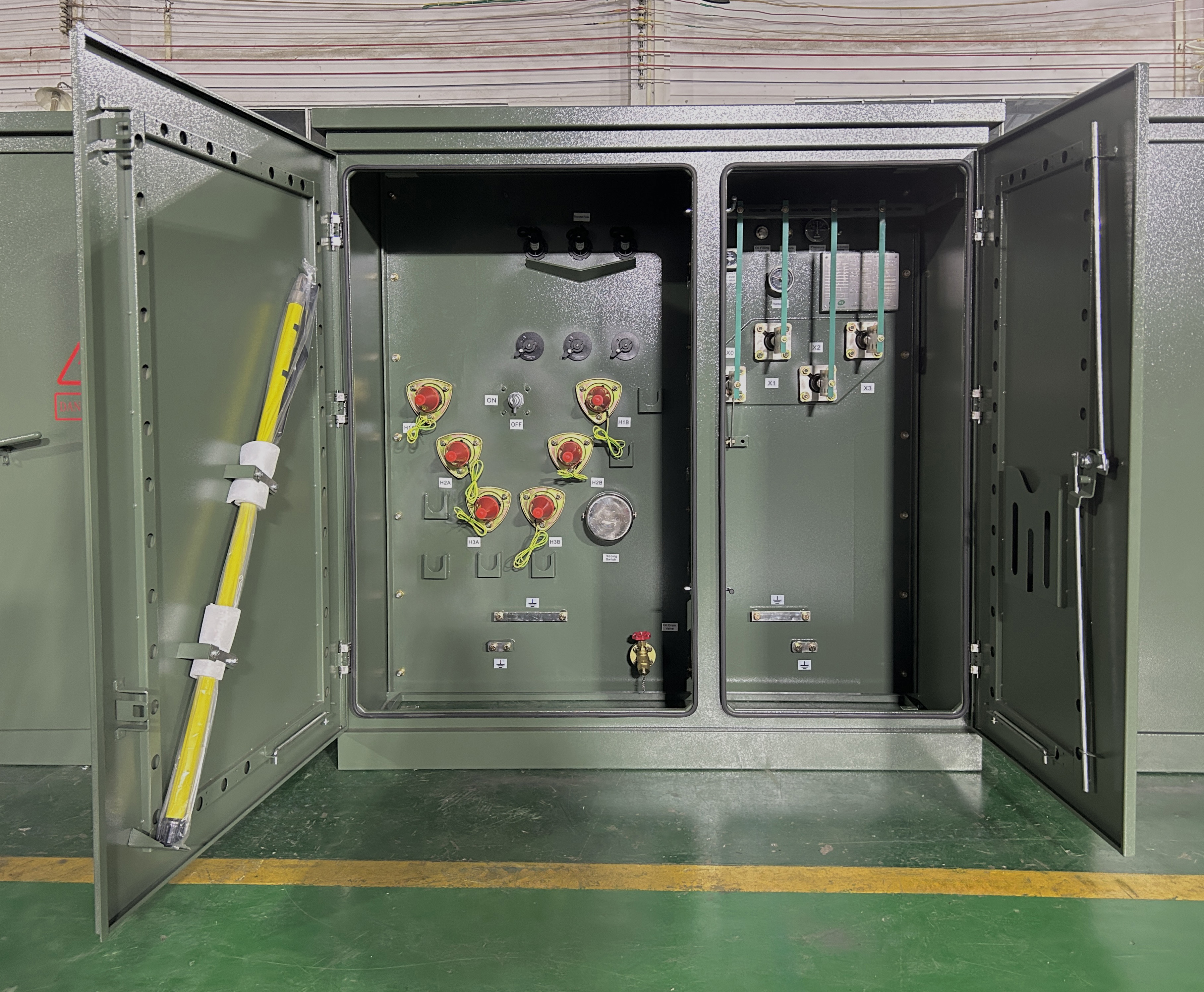
By methodically working through these four phases—preparation, negotiation, process execution, and risk mitigation—industrial buyers can confidently navigate the complexities of sourcing pad mounted transformers from China. This structured approach promotes transparent communication with suppliers, ensures technical and commercial alignment, and significantly reduces the risks associated with international procurement, leading to a successful project outcome.

Have Questions or Need More Details?
Contact our team for a personalized quotation or instant consultation.
Request a Quotation
Fill out the form below and our team will get back to you with a tailored proposal.
WhatsApp Direct Chat
Prefer to chat in real-time? Message us on WhatsApp for instant assistance & quick answers.
- Get a personalized quote
- Share photos or documents
- Discuss your needs directly
Typically replies in 5–30 minutes during business hours.