
Frequently Asked Questions (FAQ) About Substation Transformers: Technical Insights, Standards, and Procurement for 2026
Your Comprehensive Guide to Substation Transformer Fundamentals and Advanced Queries
As global energy demands surge and grid modernization accelerates, the role of the substation transformer becomes increasingly critical. Whether you're an electrical engineer, a utility project manager, or an industrial buyer sourcing equipment for a new data center or solar farm, understanding these complex components is paramount. This FAQ compiles the most pressing technical, standard, and procurement questions surrounding substation power transformers in 2026, drawing on current industry dynamics and the expertise of leading manufacturers like Winley Electric.
1. What is the core function of a substation transformer?
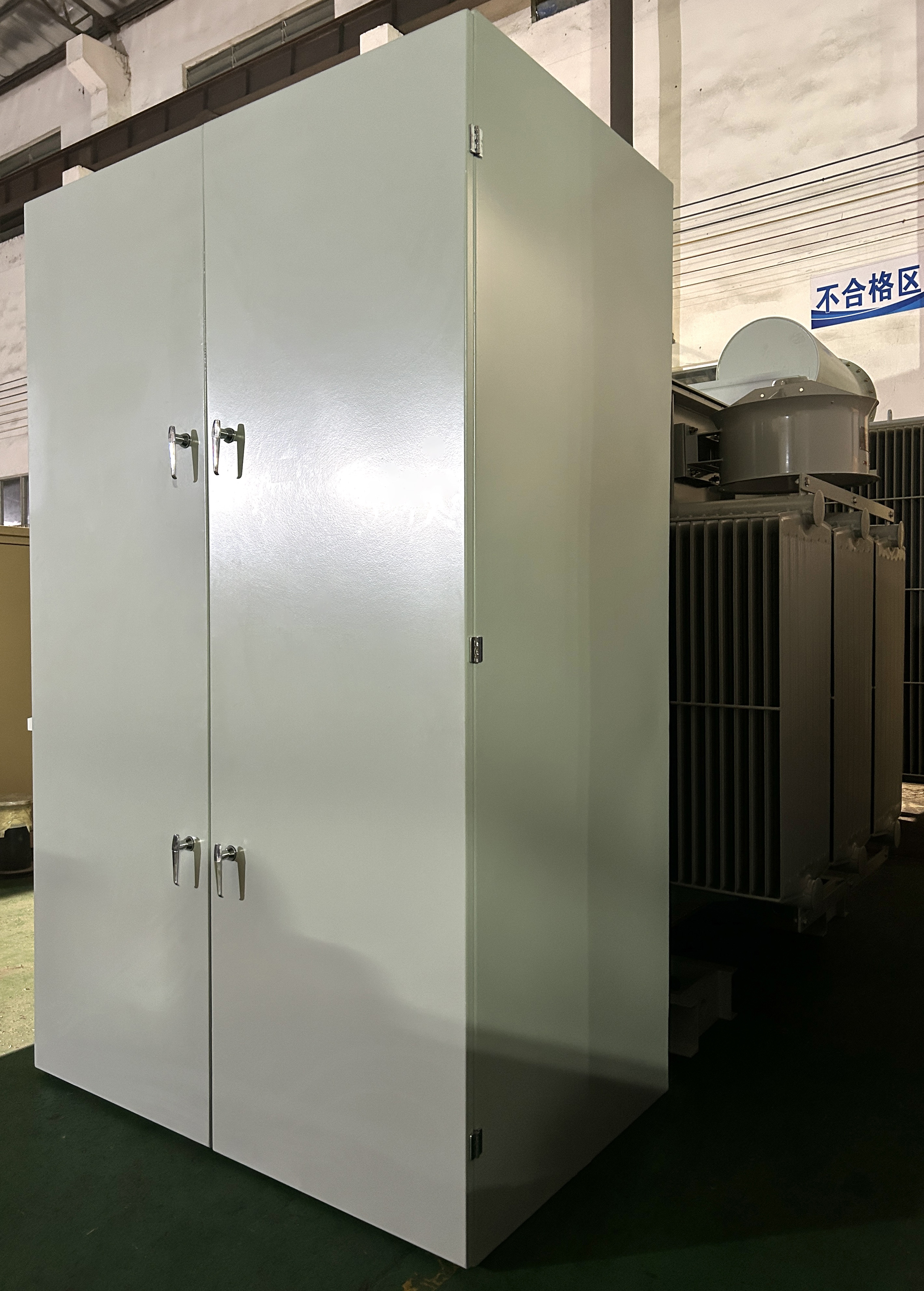
A substation transformer is the heart of an electrical substation. Its primary function is to change voltage levels between high transmission voltages and lower distribution voltages. It steps up voltage for efficient long-distance power transmission and steps down voltage to safer, usable levels for industrial, commercial, and residential consumption. This crucial role distinguishes it within the broader categories of power transformer and distribution transformer equipment.
2. What are the main types of substation transformers?
Substation transformers are categorized primarily by their cooling medium and application:
- Oil Immersed Transformer: The most common type for outdoor substations, using mineral oil for insulation and cooling. They are robust and cost-effective for high-capacity applications.
- Dry-Type Transformer: Uses air or cast resin for cooling/insulation. Ideal for indoor applications like data center substation transformers or urban buildings due to lower fire risk.
- Unit Substation Transformer: A compact, integrated assembly that includes a transformer, switchgear, and controls, often used for factory power or commercial complexes.
- By Application: Main power transformer substation units handle bulk power transfer, while distribution transformer substation units feed local networks. Specialized versions include Solar Substation Transformers for PV farms and utility substation transformers for the public grid.
3. What key standards (ANSI, IEEE, UL) should I look for, and why are they critical?
Compliance with international standards is non-negotiable for safety, performance, and interoperability. Key standards include:
- ANSI Standard Substation Transformer: ANSI C57.12.00 and related standards define general requirements, testing, and safety for transformers in North America. They cover everything from loss evaluation to sound levels.
- IEEE Standard Substation Transformer: IEEE C57 series provides detailed guidelines for testing, installation, and maintenance. It's widely referenced globally for technical specifications.
- UL Listed Substation Transformer: A UL listing (like UL 506) is a third-party certification for safety. It's often a mandatory requirement for insurance and local permitting, especially in the US and Canada. A UL listed substation transformer from a certified manufacturer like Winley Electric provides assurance of rigorous safety testing.
Manufacturers like Winley Electric design all products to fully comply with ANSI, IEEE, CSA, DOE2016, NEMA, and IEC standards, ensuring global market suitability.
4. How do I determine the correct kVA/MVA rating and voltage (e.g., 145kV) for my project?
This requires a detailed load study. Key factors include:
- Present and future peak demand (with a growth margin, typically 20-25%).
- Primary and secondary voltage system requirements (e.g., stepping down from a 145kV substation transformer to 12.47kV).
- Impedance value, which affects fault current and voltage regulation.
- Cooling class (ONAN, ONAF, OFAF) based on ambient conditions and load profile.
It's highly recommended to consult with the engineering team of your substation transformer manufacturer. Winley Electric, for instance, provides free technical consultation to help clients specify the most cost-effective and efficient transformer, whether it's a 1500 kVA unit or a 10 MVA behemoth.
5. What are the latest trends in substation transformer technology for 2026?
The industry is focused on efficiency, intelligence, and adaptability:
- Smart Transformer Substation: Integration of IoT sensors for real-time monitoring of temperature, load, dissolved gases (in oil), and partial discharge. This enables predictive maintenance and grid optimization.
- High-Efficiency Designs: Driven by standards like DOE 2016, manufacturers are pushing for lower no-load and load losses, reducing lifetime operating costs significantly.
- Compact Substation Designs: Space-saving solutions using advanced materials and designs for urban infill and renewable energy sites.
- Resilience and Sustainability: Increased use of biodegradable fluids in oil immersed transformers and designs supporting bidirectional power flow for distributed energy resources like solar.
6. What is the typical lead time for a custom substation transformer, and what affects it?
Lead times can vary from 120 weeks for standard orders, while Winley’s fastest production lead time is only 12 weeks for custom units. Factors influencing this include:
- Complexity of design and ratings.
- Raw material (especially specialized electrical steel) availability.
- Manufacturer's backlog and production capacity.
- Rigorous testing and certification processes.
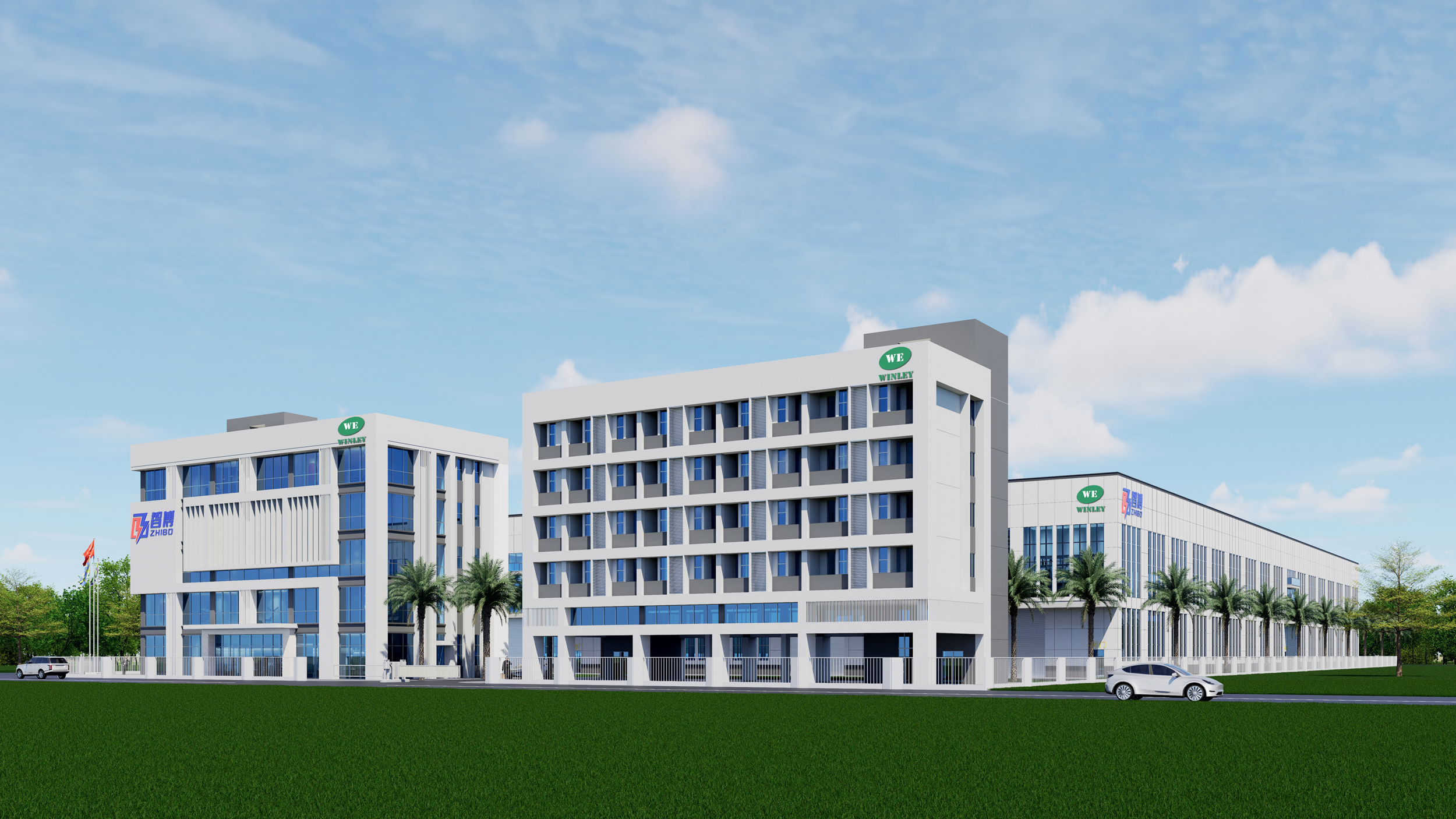
Choosing a manufacturer with strong production infrastructure can mitigate delays. Winley Electric, with its factories in Shanghai and Guangdong, advanced foil winding machines, vacuum drying ovens, and a skilled workforce, is structured to ensure reliable delivery within agreed timelines for substation transformers for sale globally.
7. What does the after-sales support and warranty typically include?
A reputable supplier offers comprehensive support. This should encompass:
- Warranty: Typically 1-2 years from shipment or commissioning. Winley Electric, for example, provides a 2-year free maintenance warranty, underscoring confidence in their "zero quality problems" reputation.
- Technical Support: 24/7 access to engineering support for installation, commissioning, and troubleshooting.
- Documentation: Detailed instruction manuals, test reports (including routine and special tests like lightning impulse), and drawings.
- Spare Parts: Availability of critical spare parts like bushings, gauges, and relays.
8. How do I evaluate and select a reliable substation transformer manufacturer or OEM partner?
Look beyond price. Critical evaluation criteria include:
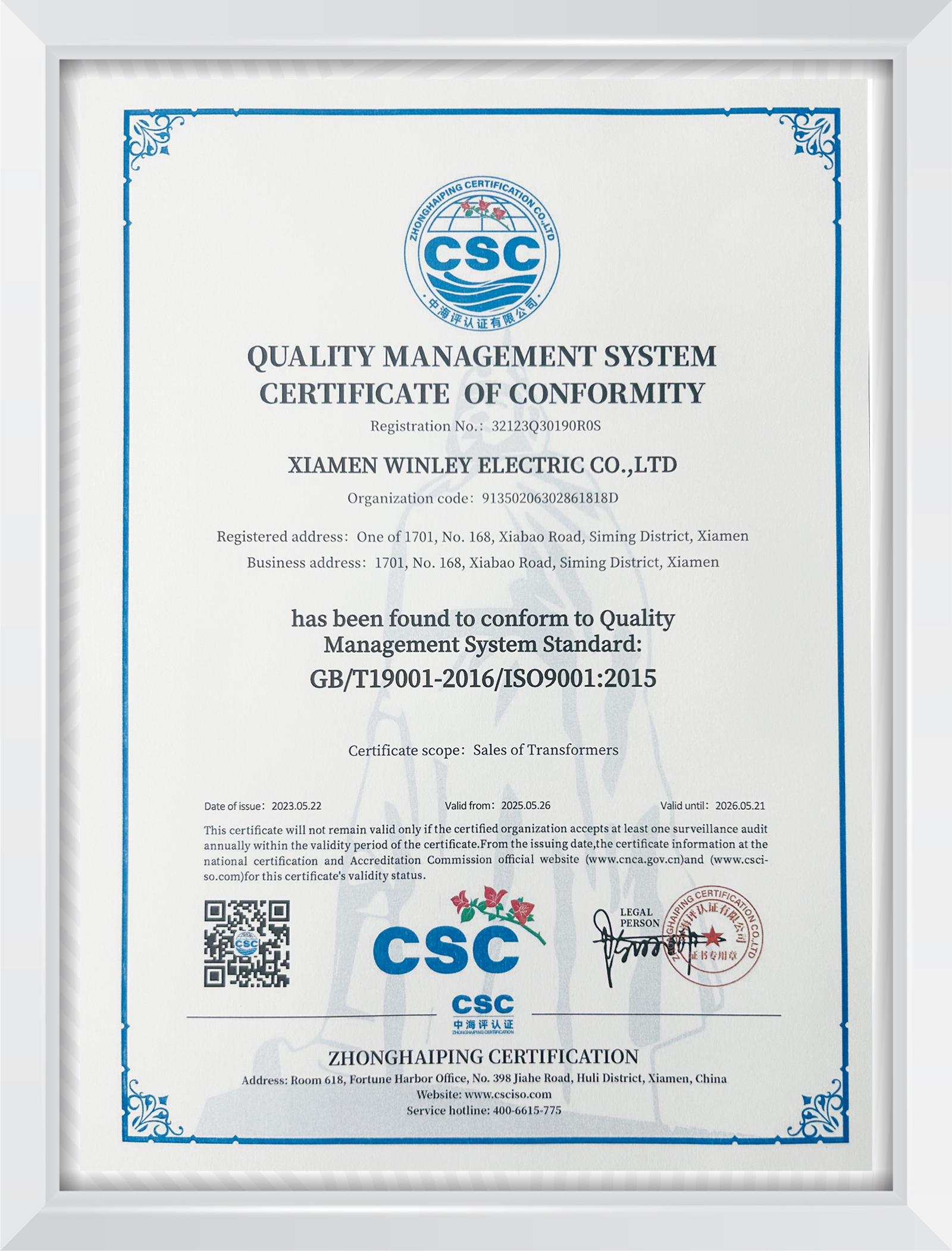
- Certifications: Active UL/cUL, ISO 9001 (quality management), ISO 14001 (environmental), and ISO 45001 (safety) certificates are fundamental. Always verify their validity.
- Technical Capability: In-house R&D and engineering team proficient in global standards. Winley Electric employs dozens of senior engineers with deep expertise in ANSI, IEEE, and IEC standards.
- Manufacturing & Quality Control: Visit the facility or audit their process. Look for traceability systems, advanced test equipment (like lightning impulse testers), and a mature supply chain.
- Project Portfolio & References: Experience in similar projects (e.g., data center or utility applications) and testimonials from clients in target markets like North America.
- Service Model: Willingness to offer substation transformer OEM services, custom design, and flexible commercial terms.
9. What are the primary considerations for installing and commissioning a new transformer?
Proper installation is crucial for longevity:
- Foundation: Must be level, solid, and capable of supporting the weight, including oil.
- Receiving Inspection: Check for shipping damage, verify oil level and pressure, and review factory test reports before acceptance.
- Pre-Commissioning Tests: Insulation resistance tests (Megger), transformer turns ratio (TTR) test, and power factor tests are commonly performed on-site.
- Energization: Should follow a controlled sequence, often involving several tap changer operations and monitoring of inrush currents.
- Always follow the manufacturer's detailed installation guide. Winley Electric provides full installation guidance as part of its customer service package.
10. With the push for grid decarbonization, how are substation transformers evolving for renewable integration?
Transformers are key enablers of the energy transition. Specific evolutions include:
- Solar Substation Transformers: Designed to handle the variable, often inverter-fed output of solar farms. They may feature special winding configurations (like double-secondary splits), enhanced harmonic withstand capability, and taps to accommodate voltage fluctuations.
- Grid-Forming Capabilities: Research is ongoing into transformers paired with power electronics to provide grid stability as traditional rotating generators are displaced.
- Lifecycle Assessment (LCA): Manufacturers are increasingly evaluated on the total carbon footprint of their products, from core steel production to end-of-life recycling.
As a forward-looking substation transformer manufacturer, Winley Electric is committed to supporting global green power development with efficient, reliable transformers tailored for modern grid challenges.
Navigating the complexities of substation transformer specification and procurement requires a partner with technical depth, manufacturing excellence, and a global perspective. For further detailed technical data sheets, certification copies, or to discuss a specific project requirement for a main power transformer substation or a compact substation, you can contact the experts at Winley Electric directly.
Contact Winley Electric:
E-mail: steven@winley-electric.com
Tel: +86-592-5510031
WhatsApp: +86-18650108051
Website: https://www.winley-electric.com/
Address: No. 99 Yilan Road, Siming District, Xiamen City, China.
Have Questions or Need More Details?
Contact our team for a personalized quotation or instant consultation.
Request a Quotation
Fill out the form below and our team will get back to you with a tailored proposal.
WhatsApp Direct Chat
Prefer to chat in real-time? Message us on WhatsApp for instant assistance & quick answers.
- Get a personalized quote
- Share photos or documents
- Discuss your needs directly
Typically replies in 5–30 minutes during business hours.