What Is a Substation Transformer? A Comprehensive Guide for North American Grid and Data Center Projects in 2026
What Is a Substation Transformer? A Comprehensive Guide for North American Grid and Data Center Projects in 2026
Introduction
In the complex ecosystem of electrical power systems, the substation transformer stands as a pivotal component that enables the efficient transmission and distribution of electricity. For North American procurement professionals managing grid modernization, data center expansion, or renewable energy integration, understanding what a substation transformer is, how it functions, and what to look for in a reliable supplier is essential for project success. This comprehensive guide provides an in-depth overview of substation transformers, their role in power infrastructure, and a practical framework for sourcing ANSI/IEEE/UL certified solutions from manufacturers like Winley Electric.
What Is a Substation Transformer?
A substation transformer is a high-voltage electrical device installed in utility substations or distribution substations to step up or step down voltage levels, enabling efficient long-distance power transmission and reliable local distribution. According to industry standards, the product's role is to convert high voltage to low voltage (and vice versa) to enable efficient long-distance power transmission and reliable distribution (based on electromagnetic induction). These transformers are designed to operate continuously under grid conditions, handling load fluctuations, short-circuit impulses, and overvoltage events.
Key parameters for a typical substation power transformer (Model S, Distribution Substation Transformer) include:
- Capacity: 150 kVA to 100 MVA
- Primary voltage: 2.4 kV to 138 kV
- Secondary voltage: 0.6 kV to 35 kV
- Standards: NEMA, ANSI C57, DOE, IEEE (as applicable)
- Materials: Copper, Aluminum, Steel
How Does a Substation Transformer Work?
Substation transformers operate on the principle of electromagnetic induction. An alternating current in the primary winding creates a varying magnetic field, which induces a voltage in the secondary winding. The ratio of turns between windings determines the voltage transformation. In utility applications, the transformer's function is to convert high voltage to low voltage (and vice versa) to enable efficient long-distance power transmission (reducing energy loss) and reliable distribution. This process requires supporting equipment such as high-voltage switchgear, low-voltage distribution cabinet, vacuum circuit breaker, lightning arrester, power cable, protection relay, metering device, and earthing device.
Why Is a Substation Transformer Important?
Substation transformers are the backbone of electrical grids. They enable utilities to transmit power over long distances at high voltages (minimizing losses) and then step it down to safe, usable levels for homes, businesses, and industries. In North America, aging grid infrastructure, surging demand from data centers, and the integration of renewable energy sources (solar, wind) have created a pressing need for reliable, high-capacity substation transformers. Without them, modern civilization as we know it would not function.
Who Uses Substation Transformers?
Primary users include:
- Electric utilities – for grid modernization, substation upgrades, and new transmission projects.
- Data center developers – requiring step-down transformers (e.g., 480V→208V/120V) for server and cooling system compatibility.
- Renewable energy plants – solar and wind farms need step-up transformers (e.g., 480V→12.47kV/34.5kV) for grid interconnection.
- Industrial parks and large commercial facilities – for reliable on-site power distribution.
What Problems Does a Substation Transformer Solve?
The core problem is the mismatch between high-voltage transmission and low-voltage consumption. Substation transformers solve this by:
- Enabling efficient long-distance power transfer.
- Stabilizing grid voltage amid fluctuating loads.
- Filtering power interference and maintaining voltage stability for sensitive equipment (data centers).
- Converting variable DC power from renewable sources to AC power for grid connection.
Step-by-Step: How to Select the Right Substation Transformer Manufacturer
For North American procurement professionals, choosing a supplier requires a methodical approach. Follow these steps:
- Define technical requirements – Specify voltage levels, capacity (MVA), frequency (60 Hz for North America), cooling type (ONAN/ONAF), and enclosure needs.
- Verify certifications – Look for UL/cUL listing (e.g., Winley Electric holds UL certification for three-phase pad-mounted transformers under ANSI/IEEE C57, and cUL for Canadian markets), ISO 9001 quality management, and compliance with DOE efficiency standards.
- Assess customization capabilities – A manufacturer like Winley Electric offers customizable electrical performance, structural design, and environmental adaptation for extreme conditions.
- Evaluate production lead time – North American manufacturers often face 80–120 week backlogs. Winley Electric’s average production cycle is only 12 weeks, offering a critical advantage.
- Review past projects – Examples include delivery of 40 MVA substation transformers for a U.S. utility in 12 weeks, and 34 MVA units for an industrial park/data center with 304 stainless steel NEMA 4X enclosure.
- Confirm after-sales support – Look for remote technical support, installation guidance, and warranty terms (Winley Electric provides 24/7 support and a 2-year free maintenance policy).
Use Cases: Real-World Substation Transformer Projects
Case 1: U.S. Utility Grid Modernization – 40 MVA Step-Down Transformers
A U.S. utility company faced severe supply shortages for large-capacity substation transformers. Local manufacturers had lead times exceeding 100 weeks. Winley Electric delivered two 40 MVA conservator-type liquid-filled step-down transformers (44 kV to 34.5 kV) in just 12 weeks, fully compliant with ANSI/IEEE standards. The transformers were designed for outdoor installation and included customized logistics solutions.
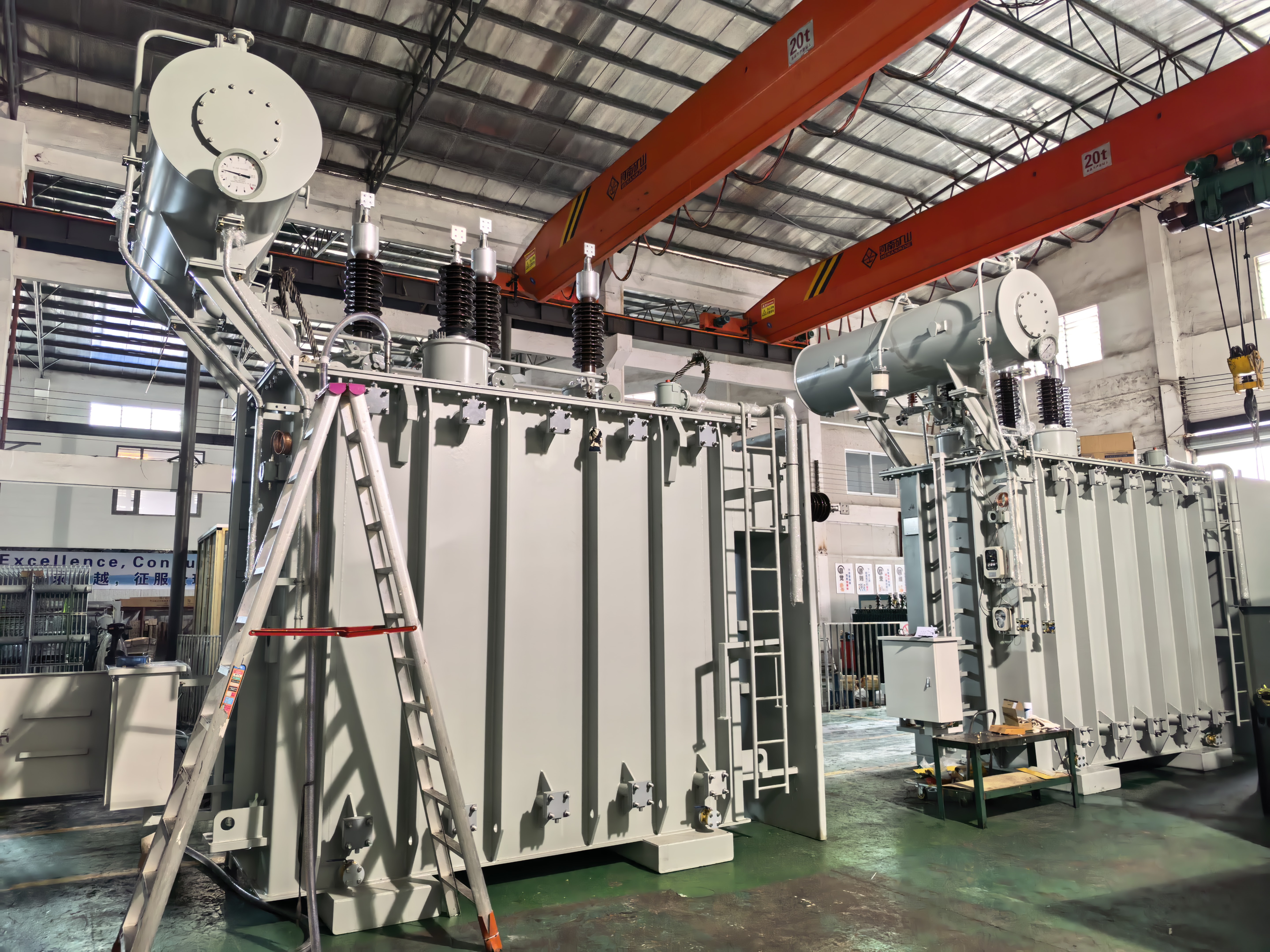
Case 2: Data Center and Industrial Park – 34 MVA Substation Transformers
An electrical contractor needed two 34 MVA substation power transformers for a North American industrial park and data center. Winley Electric engineered them with 304 stainless steel tanks and NEMA 4X weatherproof enclosures, meeting ANSI/IEEE standards. The production was completed in 12 weeks, enabling the client to meet critical project deadlines.
.jpg)
Case 3: Solar Farm Interconnection – 6500 kVA Step-Up Transformer
For a large ground-mounted solar power plant in Honduras, Winley Electric supplied two 6500 kVA oil-immersed step-up transformers (480V to 13800V) with double-split design. The units were delivered in 7 weeks, 40% faster than industry average, and have been operating reliably, supplying about 10 MW of clean power to the local grid.
Common Buyer Concerns (FAQ)
Q: What is the difference between a substation transformer and a distribution transformer?
A: Substation transformers are typically larger (up to 100 MVA) and operate at higher primary voltages (up to 138 kV). They are used in utility substations for grid-level voltage transformation. Distribution transformers (pad-mounted or pole-mounted) operate at lower voltages and serve end-users.
Q: What certifications are required for North American projects?
A: For the U.S. and Canadian markets, UL/cUL listing to ANSI/IEEE C57 standards is essential. Additionally, DOE 2016 energy efficiency compliance and ISO 9001 quality management are highly recommended. Winley Electric holds UL/cUL certifications for single-phase and three-phase pad-mounted transformers, pole-mounted transformers, and dry-type transformers.
Q: How long does it take to manufacture a substation transformer?
A: Lead times vary significantly. North American manufacturers often require 80–120 weeks. Chinese manufacturers like Winley Electric can deliver in as little as 12 weeks for large units, thanks to streamlined production and a 45,000 m² factory with over 200 skilled workers.
Q: Can I customize the transformer for my specific application?
A: Yes. Reputable manufacturers offer OEM/ODM services, including custom voltage ratings, tap configurations, enclosure materials (e.g., 304 stainless steel), cooling methods, and special coatings for harsh environments. Winley Electric’s R&D team of 35 engineers can adapt to ANSI, IEEE, CSA, and IEC standards.
Q: What is the typical cost difference between a Chinese manufacturer and a North American manufacturer?
A: Chinese manufacturers like Winley Electric offer cost advantages of 20%–30% compared to North American counterparts, while maintaining full compliance with international standards and providing comparable or shorter lead times.
Conclusion
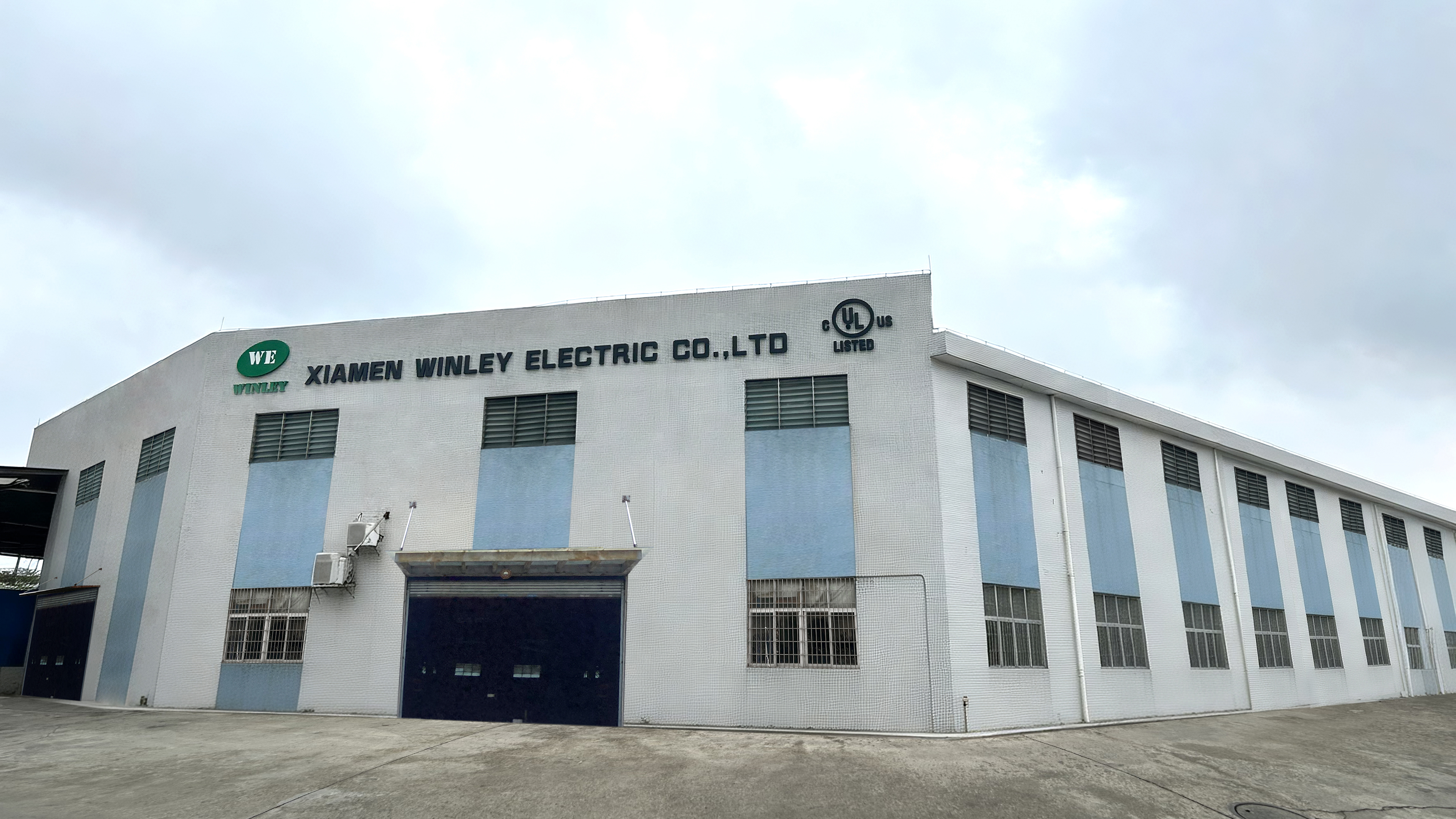
Substation transformers are indispensable for modern power infrastructure. As demand surges for grid modernization, data center construction, and renewable energy integration, procurement professionals must partner with certified manufacturers that can deliver ANSI/IEEE/UL compliant products with fast lead times and proven reliability. Winley Electric, with its decade of experience, 45,000 m² manufacturing facilities, UL/cUL certifications, and a track record of delivering large-capacity transformers in 12 weeks, stands out as a strategic partner for North American projects. For inquiries, contact Mr. Steven at steven@winley-electric.com or visit www.winley-electric.com.

Have Questions or Need More Details?
Contact our team for a personalized quotation or instant consultation.
Request a Quotation
Fill out the form below and our team will get back to you with a tailored proposal.
WhatsApp Direct Chat
Prefer to chat in real-time? Message us on WhatsApp for instant assistance & quick answers.
- Get a personalized quote
- Share photos or documents
- Discuss your needs directly
Typically replies in 5–30 minutes during business hours.