Substation Transformer 101: A Technical Guide for North American Buyers on Specs, Standards, and Certified Manufacturing
Substation Transformer 101: A Technical Guide for North American Buyers on Specs, Standards, and Certified Manufacturing
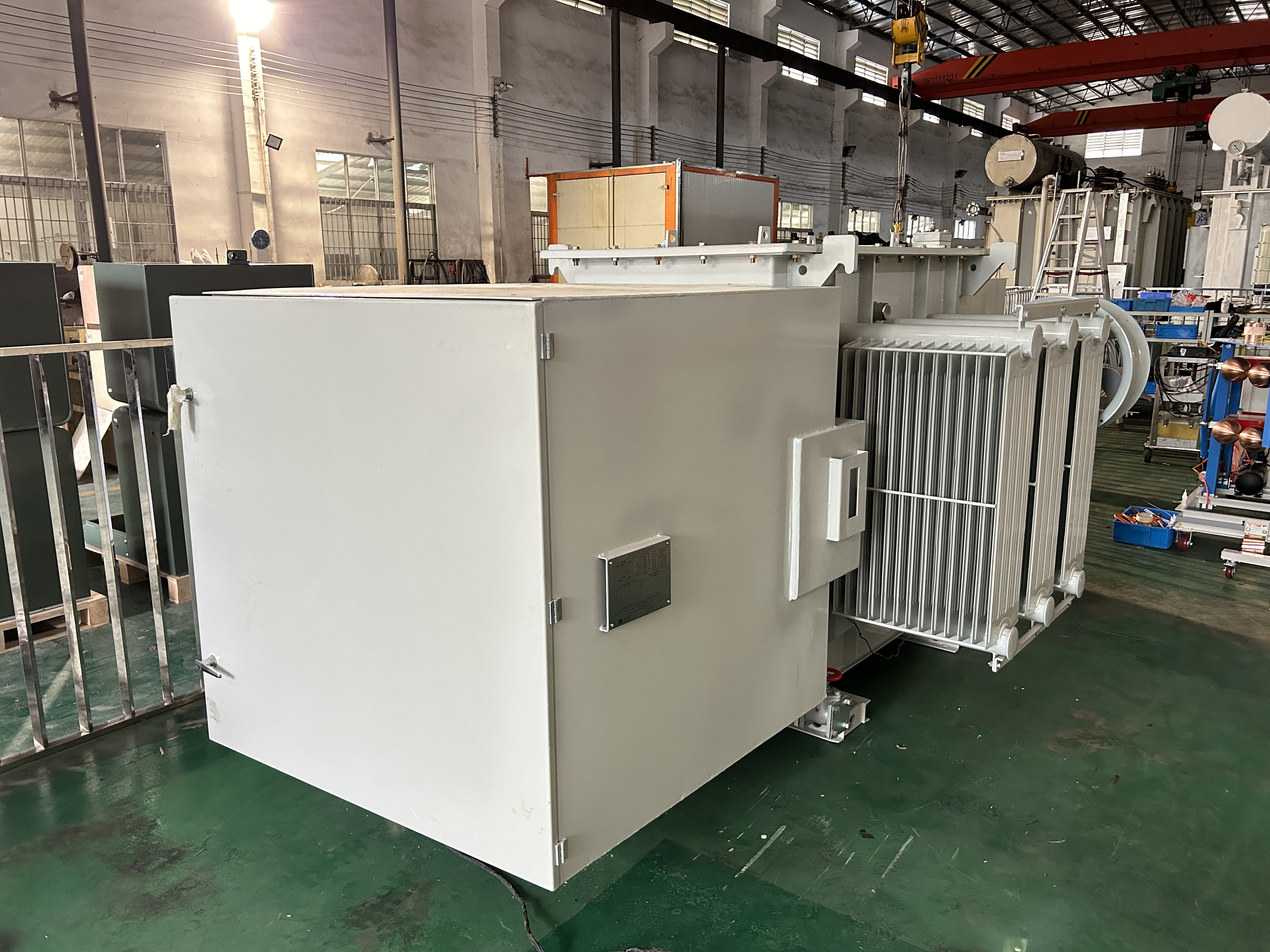
A substation transformer is a critical component in medium and high-voltage power transmission and distribution systems, responsible for stepping voltage up or down to enable efficient long-distance power delivery. For procurement professionals in North America—whether in utility, renewable energy, or data center sectors—understanding the technical specifications, compliance standards, and manufacturing capabilities of these transformers is essential for making informed purchasing decisions.
The Role of Substation Transformers in Modern Power Grids
Substation transformers serve as the backbone of electrical infrastructure. They convert voltage levels for efficient long-distance power transmission, stabilize grid voltage, and supply electricity reliably to residential areas, commercial districts, industrial parks, and large-scale facilities. A typical distribution substation transformer (model S) is installed in utility substations and distribution substations and is designed to operate under continuous, high-stress conditions.
As North America invests heavily in grid modernization, renewable energy integration, and data center expansion, the demand for reliable, certified substation transformers has grown significantly. Buyers increasingly require equipment that meets ANSI, IEEE, DOE, and NEMA standards, along with UL or cUL certification for market access.
Industry Background: Why Certified Substation Transformers Matter
North American electrical infrastructure is governed by strict safety and performance standards. Utility and industrial projects often mandate compliance with ANSI C57, IEEE C57, DOE energy efficiency regulations, and NEMA enclosures. Without proper certification, a transformer may not be approved for grid interconnection, leading to project delays and cost overruns.
Moreover, the rise of solar and wind farms, energy storage systems, and large data centers has created specialized requirements: harmonic tolerance, wide voltage regulation, and robust overload capacity. Substation transformers used in these applications must be designed to handle fluctuating loads and harsh outdoor environments.
Detailed Product Solution: Winley Electric’s Substation Power Transformer (Model S)
Xiamen Winley Electric Co., Ltd., founded in 2014, is a professional transformer manufacturer certified by UL and cUL, with over a decade of experience in the power industry. The company’s Substation Power Transformer (model S, Distribution Substation Transformer category) is engineered specifically for medium and high-voltage power transmission and distribution systems.
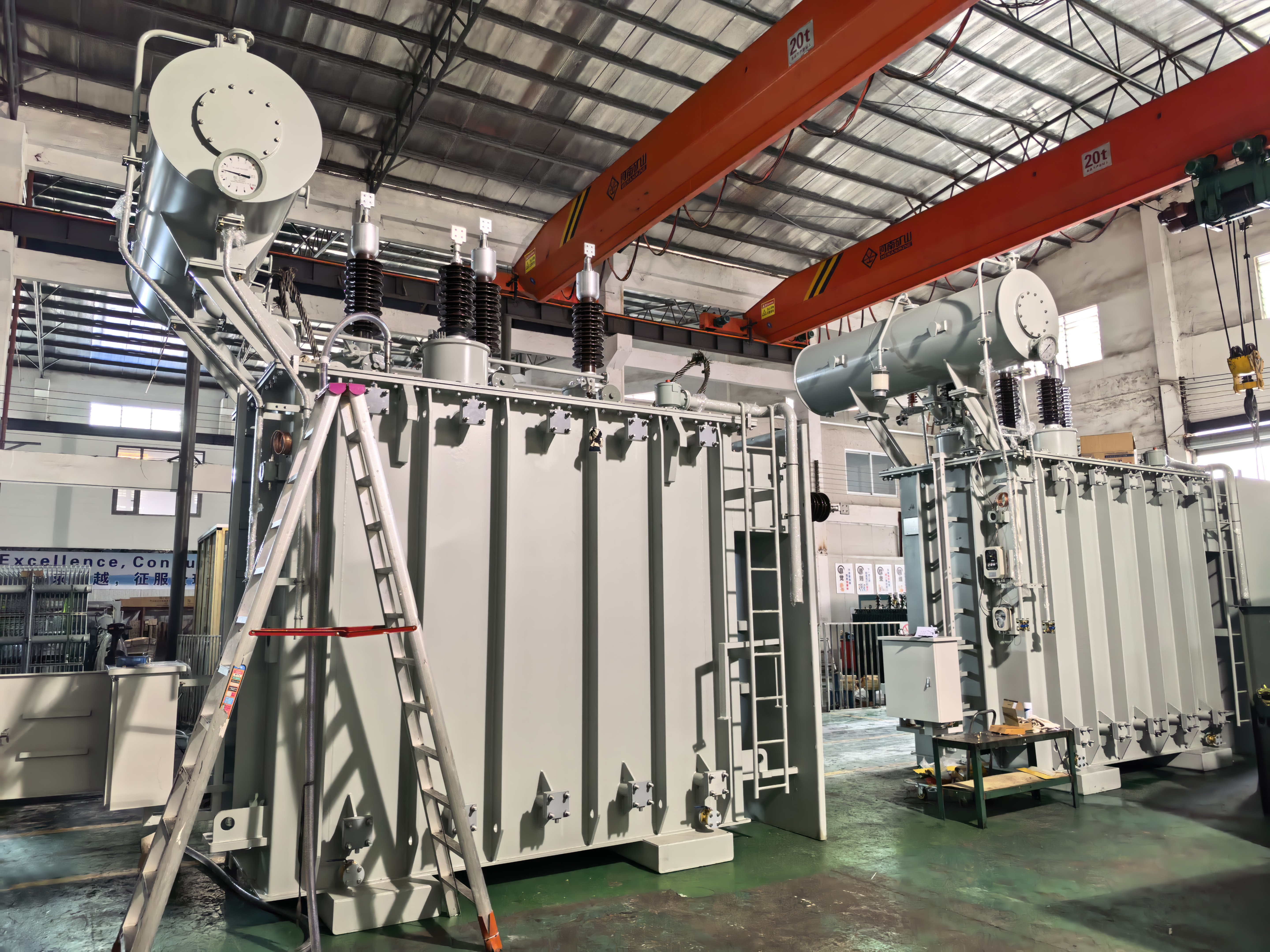
Key Specifications
- Capacity range: 150 kVA to 100 MVA
- Primary voltage range: 2.4 kV – 138 kV
- Secondary voltage range: 0.6 kV – 35 kV
- Materials: Copper, Aluminum, Steel
- Compliance standards: NEMA, ANSI C.57, DOE, IEEE
Design and Construction
The transformer is made of high-grade copper and aluminum windings with a robust steel tank for outdoor installation. It is oil-immersed, providing excellent dielectric strength and cooling. Every unit is factory tested to meet standard specifications before delivery.
Certifications & Quality Assurance
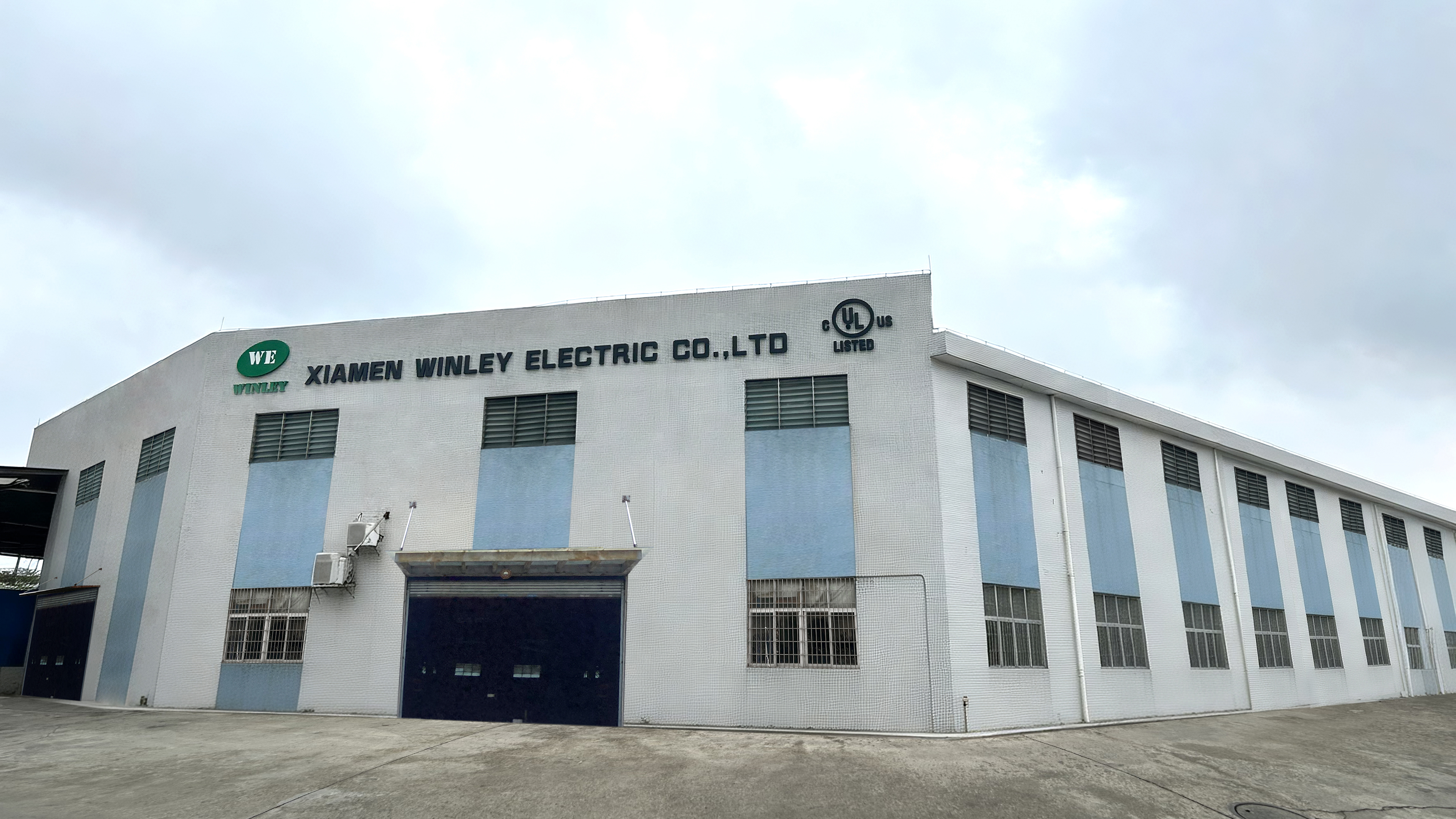
Winley Electric holds UL and cUL certification (covering Dry Type General Transformer and VPI dry-type models) and adheres to ISO 9001 quality management. The company’s 45,000 m² facility employs approximately 220 staff, with an annual production capacity of 35,000 units. Products are exported to over 60 countries, with 70% of sales going to North and South American markets.
Step-by-Step Procurement Considerations for North American Buyers
- Define System Parameters: Determine required voltage levels (primary and secondary), capacity, and cooling type (ONAN/ONAF).
- Verify Compliance: Ensure the transformer meets ANSI/IEEE C57, DOE 2016 efficiency, and applicable local utility standards.
- Check Certifications: Look for UL listing or cUL mark if required by your jurisdiction.
- Evaluate Manufacturer Capabilities: Assess factory size, R&D team, testing equipment (e.g., impulse test), and quality traceability systems.
- Request Technical Documents: Obtain detailed drawings, test reports, and warranty terms (e.g., 2-year free maintenance offered by Winley Electric).
- Confirm Logistics & After-Sales Support: Inquire about packaging, shipping, installation guidance, and 24/7 technical support.
Primary Use Cases
1. Electric Power Utilities
Substation transformers are core equipment for utility substations, enabling efficient step-down from transmission voltages (e.g., 138 kV) to distribution voltages (e.g., 13.2 kV). They must operate 24/7 with high reliability and withstand short-circuit faults.
2. Renewable Energy (Solar & Wind)
These transformers are used to step up generator voltage (e.g., 480V to 34.5 kV) for grid connection. They require wide voltage regulation and harmonic resistance due to the intermittent nature of renewable sources. This application is common in the United States, Canada, and Australia.
3. Data Centers & ICT
Data centers demand extremely reliable power with low noise and low losses. Substation transformers step down grid voltage to 208V/120V for servers and cooling. They must offer high overload capacity and strict partial discharge control.
Comparison: Substation Transformer vs. Other Distribution Transformers
| Type | Typical Capacity | Primary Voltage | Key Standards | Primary Application |
|---|---|---|---|---|
| Substation Power Transformer (S) | 150 kVA – 100 MVA | 2.4 – 138 kV | NEMA, ANSI C.57, DOE, IEEE | Utility substations, transmission grids |
| Three-Phase Pad-Mounted (ZGS) | 75 – 5500 kVA | 4.16 – 34.5 kV | IEEE/ANSI C57.12.34, CSA | Commercial, residential underground distribution |
| Single-Phase Pad-Mounted (DGS) | 15 – 833 kVA | 2.4 – 34.5 kV | ANSI/IEEE C57, CSA, DOE | Low-load outdoor distribution |
| Pole-Mounted (DS) | 10 – 500 kVA | 2.4 – 34.5 kV | ANSI/IEEE C57, CSA | Rural overhead distribution |
Note: All data sourced from Winley Electric product specifications and compliance lists.
Frequently Asked Questions (FAQ)
What is a substation transformer?
A substation power transformer (model S) is a distribution substation transformer designed for medium and high-voltage power transmission and distribution systems. It is used in utility substations and distribution substations to convert voltage levels for efficient long-distance power transmission.
What standards do substation transformers need to meet for North America?
They must comply with NEMA, ANSI C.57, DOE, and IEEE standards. Additionally, UL or cUL certification is often required for market entry. Winley Electric’s substation transformers are built to these specifications.
What is the capacity range of a substation transformer?
The capacity ranges from 150 kVA to 100 MVA, with a primary voltage up to 138 kV and a secondary voltage from 0.6 kV to 35 kV.
What materials are used in Winley Electric substation transformers?
They are made of copper, aluminum, and steel. The windings are oil-immersed for insulation and cooling.
Can substation transformers be used for solar and wind projects?
Yes, this product is suitable for renewable energy applications (photovoltaics, wind power) and is commonly used in the United States, Canada, and Australia. It must handle harmonic distortion and wide voltage fluctuations.
How does Winley Electric ensure quality?
The company operates a 45,000 m² facility with 35 R&D engineers, advanced testing equipment (including lightning impulse test), and a 2-year free maintenance commitment. All units undergo strict factory inspection per standard specifications.
What is the lead time for a substation transformer?
Lead time varies based on capacity, customization, and current production load. While not specified in our data, you can contact Winley Electric directly for a quote.
Why Choose a Certified Manufacturer?
Procuring a substation transformer from a certified manufacturer like Winley Electric offers traceability, compliance assurance, and long-term reliability. With over a decade of experience, UL/cUL certification, and a dedicated R&D team, Winley Electric provides cost-effective solutions tailored to North American grid requirements.
For detailed specifications, drawings, or to request a quote, contact Winley Electric’s sales team.

Have Questions or Need More Details?
Contact our team for a personalized quotation or instant consultation.
Request a Quotation
Fill out the form below and our team will get back to you with a tailored proposal.
WhatsApp Direct Chat
Prefer to chat in real-time? Message us on WhatsApp for instant assistance & quick answers.
- Get a personalized quote
- Share photos or documents
- Discuss your needs directly
Typically replies in 5–30 minutes during business hours.