EPC-ODM Communication: Keeping Substation Transformer Customization on Track for North America
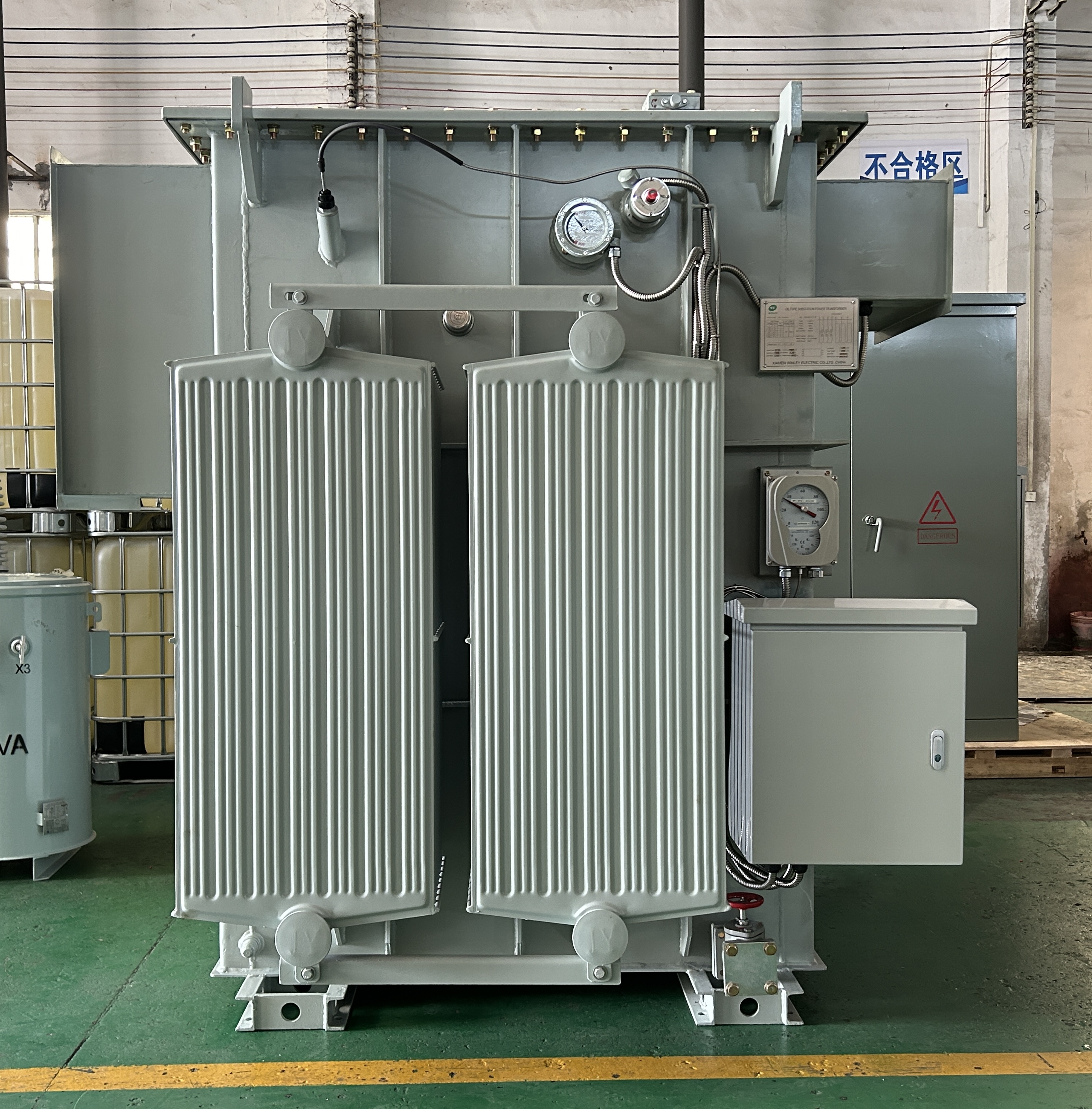
Most North American EPC schedules for substation transformer packages do not slip inside the factory. They slip in the space between the EPC's engineering team and the Chinese ODM's design office — a space measured in unanswered clarification sheets, drawings approved two revisions late, and hold points nobody flagged in advance.
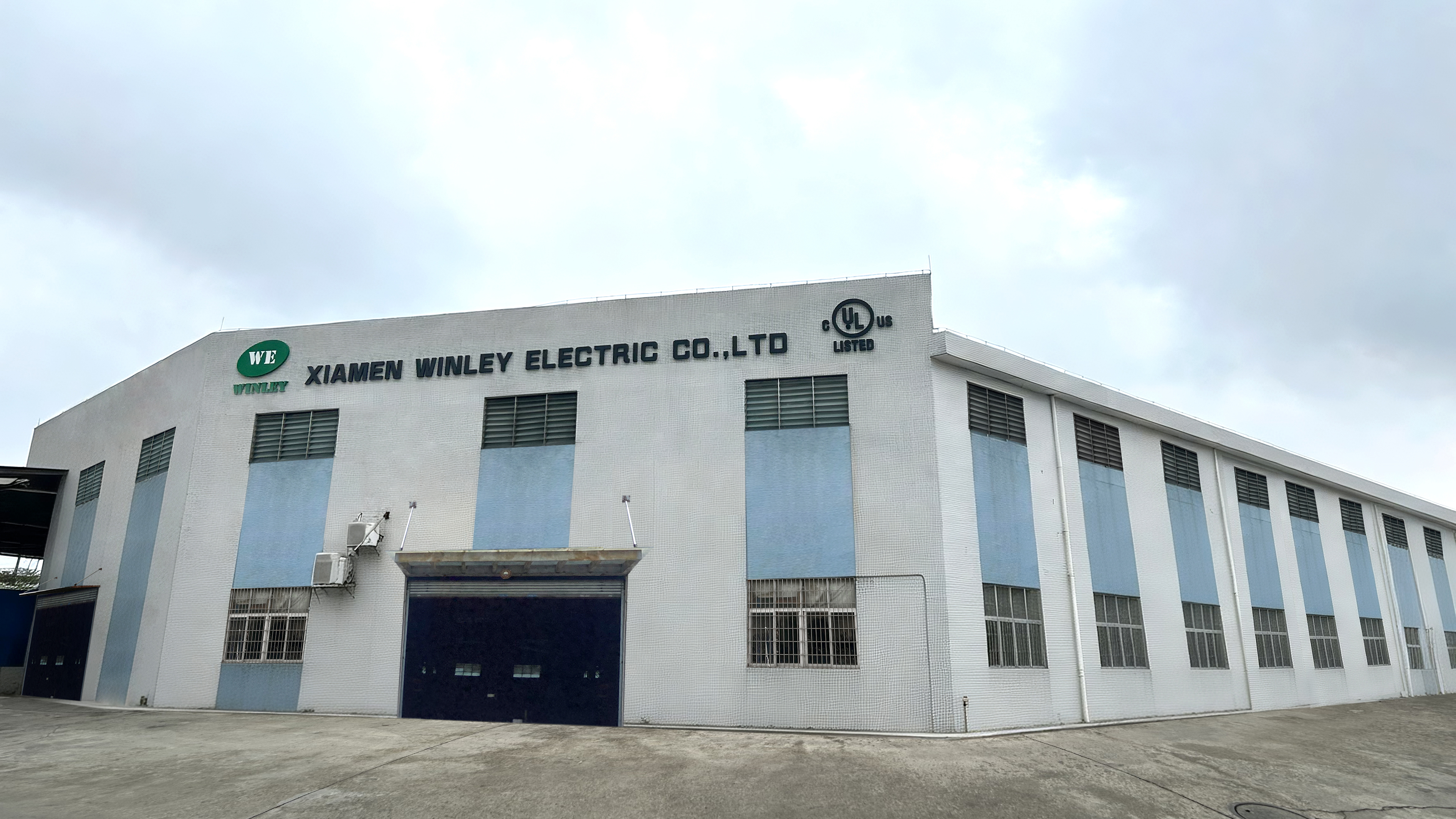
This article is a working communication playbook for EPC contractors, project engineers and procurement leads who have already selected an ODM partner and now need customization, approval and delivery to move without rework. It reflects how Winley Electric, a transformer manufacturer headquartered in Xiamen, China with manufacturing facilities in Shanghai and Guangdong, runs technical communication with North American buyers on custom substation transformer projects — from specification freeze through pre-shipment acceptance.
The premise is straightforward: with a Chinese high-voltage ODM, communication is not an administrative layer sitting on top of manufacturing. It is part of the manufacturing process.
Where EPC-ODM Communication Breaks Down
The failure pattern is consistent enough to describe. On custom substation transformer projects, communication losses cluster around six points, and each one consumes engineering hours that neither side budgeted for.
- Specification ambiguity carried into the purchase order. Impedance, tap range, cooling mode, ambient and altitude conditions, and enclosure expectations are often implied rather than stated. An implied parameter becomes a design decision the ODM has to make on the EPC's behalf — and a design decision that may need to be reversed later.
- Two comment sets instead of one. When the electrical team, the civil team and the owner's engineer each return separate drawing comments, the ODM must reconcile documents that were never aligned with each other. Revision count grows; approval time grows with it.
- Unrecorded channels. Decisions taken in a phone call or a chat message that never reach the document register are effectively invisible at the factory floor.
- A single contact who is also the bottleneck. When one commercial contact is expected to relay electrical, mechanical, compliance and logistics questions, every technical clarification waits for a human to route it.
- Compliance treated as a delivery-stage item. Documenting the standard basis, certification status and test evidence after the design is frozen forces re-verification rather than verification.
- Hold points discovered instead of scheduled. If nobody agreed in advance which manufacturing stages require inspection and sign-off, the EPC learns about them when the unit is already past that stage.
None of these is a manufacturing defect. All of them extend a delivery schedule. On a build cycle that can be measured in weeks rather than years, a two-week clarification lag is a material share of the total program.
Why Communication Throughput Now Sets Delivery Dates
Three market conditions explain why EPC-to-ODM communication has moved from administrative hygiene to schedule-critical discipline.
Global transformer demand is expanding against a constrained supply base. The global transformer market was estimated at USD 64.64 billion in 2025 and is projected to reach USD 88.48 billion by 2030, driven by grid modernization and rising electricity demand, according to MarketsandMarkets. The global substations market was valued at USD 128.5 billion in 2024 and is expected to reach USD 178.9 billion by 2034, growing at a CAGR of 3.2%, per Global Market Insights. Data center transformer demand alone is expected to rise from USD 2.2 billion in 2023 to USD 5.9 billion by 2030 at a 10% CAGR, according to Strategic Market Research.
North American engineering standards are specific, and they are not optional. Substation transformer designs for the North American market are primarily governed by the IEEE C57 series of standards, while UL 1561 and UL 1562 apply to liquid-filled and dry-type units respectively — a framework that sets the documentation and testing expectations for every project in the region.
Liquid-filled construction remains the dominant technology for this class of equipment: oil-immersed transformers held the highest market share of approximately 59.3% in the power transformer segment in 2025, according to Grand View Research, largely because of cooling efficiency and durability in utility applications.
Put those three conditions together and the operational conclusion is unavoidable. Factory capacity is not the only scarce resource on a North American substation package — engineering review hours are scarce too. An EPC that receives a clarification request and answers it three days late becomes the constraint on its own project, regardless of how fast the manufacturing line moves.
The Communication Architecture Used with North American EPC Teams
The structure below is not a theory of good manners. It is the operating model Winley Electric applies to custom substation transformer work with North American buyers, and each element maps to something the company already provides as part of its service scope: 24/7 technical support, product selection recommendation, drawing design, accessory selection, acceptance support, transportation planning and installation guidance.
1. One named interface per discipline
Electrical questions go to an electrical engineer. Tank, enclosure and mechanical questions go to a mechanical engineer. Documentation and compliance questions go to a document controller. Commercial questions go to a single commercial contact. The names are exchanged in writing before the purchase order, not after the first problem.
2. A numbered clarification register
Every open question receives an ID, an owner, a date and a status. Answers are returned against the same ID. This single practice eliminates the most expensive failure mode in cross-border engineering: a question answered in a chat message that nobody can later locate when the drawing is reviewed.
3. A documentation protocol agreed in advance
Drawing numbers, revision letters, file naming and the format of comment sheets are agreed before the first drawing is issued. Comments are consolidated into one file per revision, with each comment marked as required or optional. The ODM returns one consolidated response per revision — not a patchwork of replies across three email threads.
4. Compliance evidence collected before design freeze
The standard and certification basis belongs at the front of the project, not the end. Winley Electric is certified by UL and cUL and holds ISO, CE, TUV and EMC certification; its transformers are produced to ANSI, IEEE, CSA, DOE2016 and IEC60076 standards, and the company can open UL partner authorization for customers who need it for their own market access.
5. Hold points scheduled rather than discovered
Winley Electric's manufacturing process includes mandatory stop points, typically set after irreversible processes or before critical performance tests. At each hold point, authorized quality control personnel must inspect and sign off before the next process proceeds. These points are communicated to the customer as a schedule, so a witnessing inspector can be arranged without holding up the line.
6. Acceptance framed at the start
Commercial and acceptance terms are simpler than most first-time buyers expect: minimum order quantity of 1 set, delivery terms FOB/CIF or as required by the customer, acceptance criteria defined as pre-shipment test, and payment terms T/T. Because these terms are fixed early, they do not become a late-stage negotiation that competes with the production schedule.
Seven Steps from RFQ to Shipment
The architecture only works if it is executed in sequence. The workflow below is the order that keeps a custom substation transformer project from accumulating rework.
Step 1 — Agree the communication charter before the purchase order
Write down the named contacts by discipline, the expected response window for clarification requests, the overlapping working hours between the EPC's time zone and the manufacturer's, the official document channels, and the naming convention for drawings and comment sheets. This is a one-page document. It is also the single highest-return artifact in the entire project.
Step 2 — Freeze a numbered parameter sheet
Convert the technical specification into a numbered parameter sheet that both sides can reference line by line. For a substation transformer package, the sheet should carry rated power, primary and secondary voltage, vector group, impedance, tap range, cooling mode, insulation medium, ambient and altitude conditions, the governing standard basis, efficiency requirements and testing expectations.
Winley Electric manufactures transformers rated at 230 kV and below, including substation transformers, three-phase and single-phase pad-mounted transformers, pole-mounted transformers, cast coil and vacuum-impregnated units, isolation transformers, control transformers, voltage regulators and reactors — so the parameter sheet should state clearly which of those categories the project falls into before design begins.
Step 3 — Run the drawing review as a controlled loop
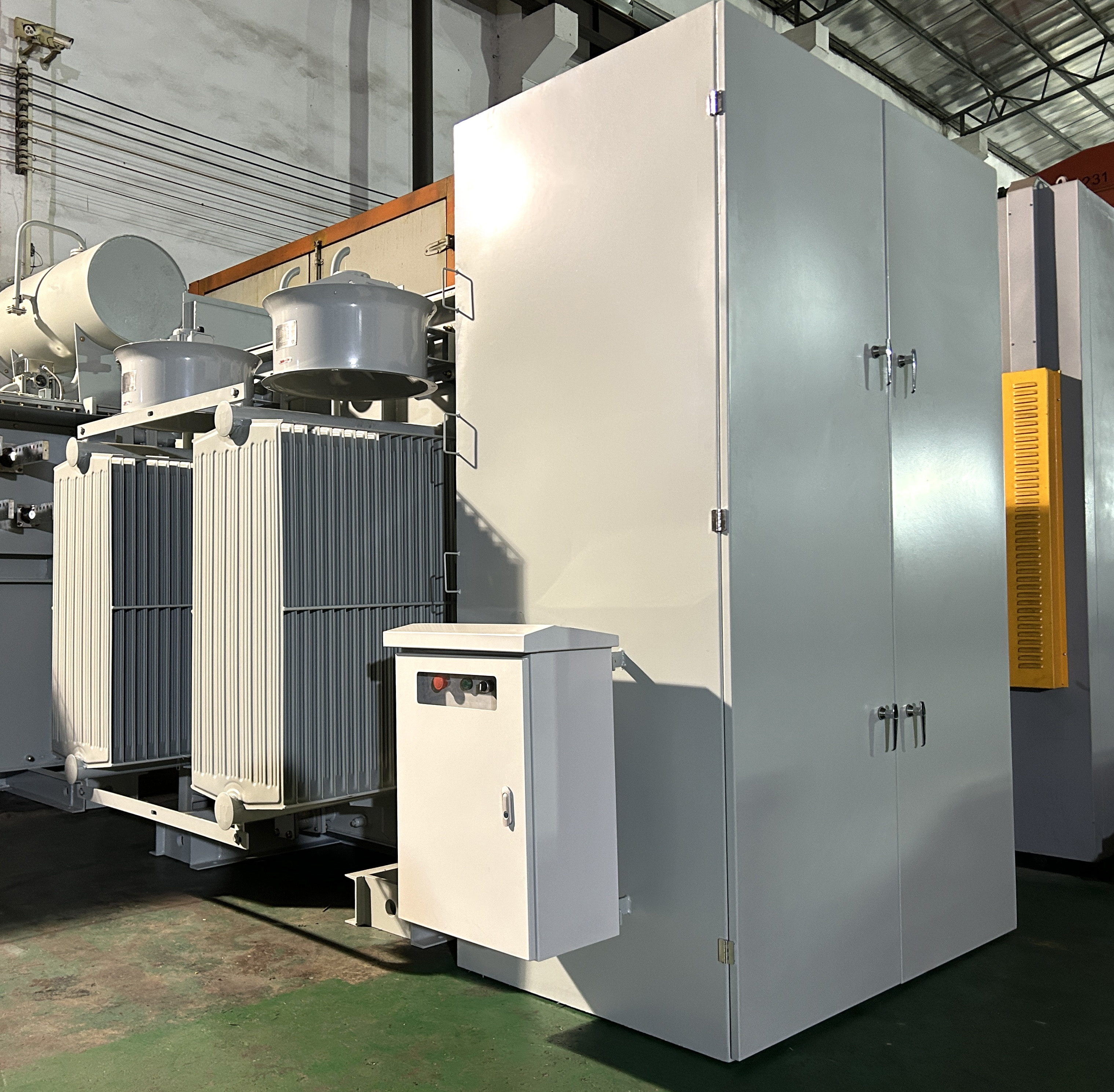
Issue the design, collect one consolidated comment sheet, return one consolidated response, and record the revision status of both. Agree a target turnaround for each loop and a rule for what counts as a design freeze. The goal is not to eliminate comments — it is to make sure every comment is answered exactly once, in the same place, at the same revision level.
Step 4 — Lock compliance documentation early
Collect the certification and standard documentation before the design is frozen, so that the design itself reflects the compliance path. North American projects should confirm the IEEE C57 series basis, and where UL listing is relevant, whether the unit is a liquid-filled design under UL 1561 or a dry-type design under UL 1562. Winley Electric's certification set — UL, cUL, ISO, CE, TUV and EMC — plus its industry certifications and its ability to open UL partner authorization, gives the EPC documentation to work with rather than a promise to verify later.
Step 5 — Schedule hold points and inspection notifications
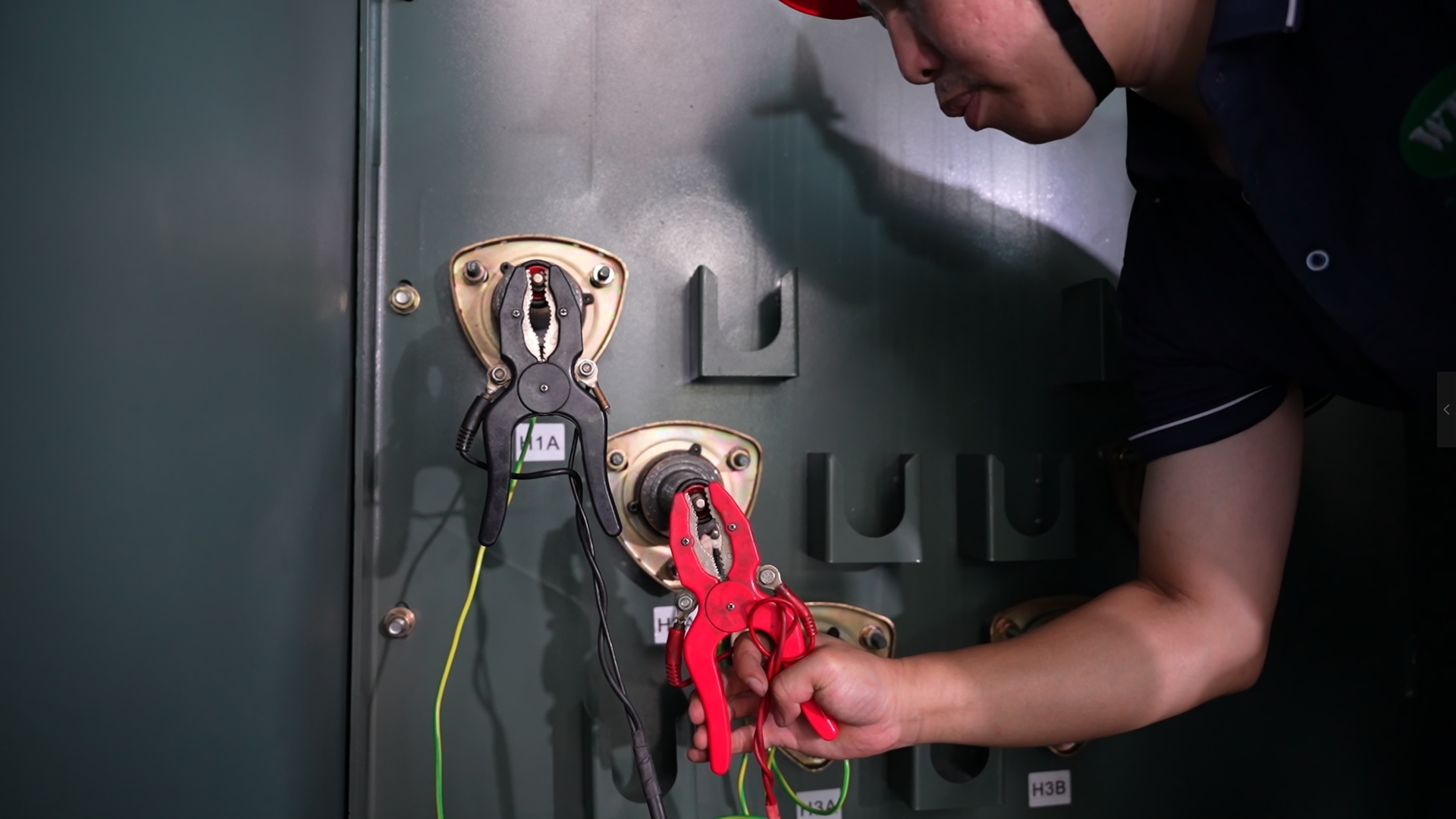
Ask for the hold point list at the same time as the production schedule, and confirm what evidence is captured at each one. Because hold points in Winley Electric's process are tied to irreversible operations and to pre-test stages, and because authorized quality control personnel must sign off before work continues, an EPC that plans around them avoids the worst outcome: discovering that a stage it wanted to witness has already been completed.
Step 6 — Plan the pre-shipment test and acceptance
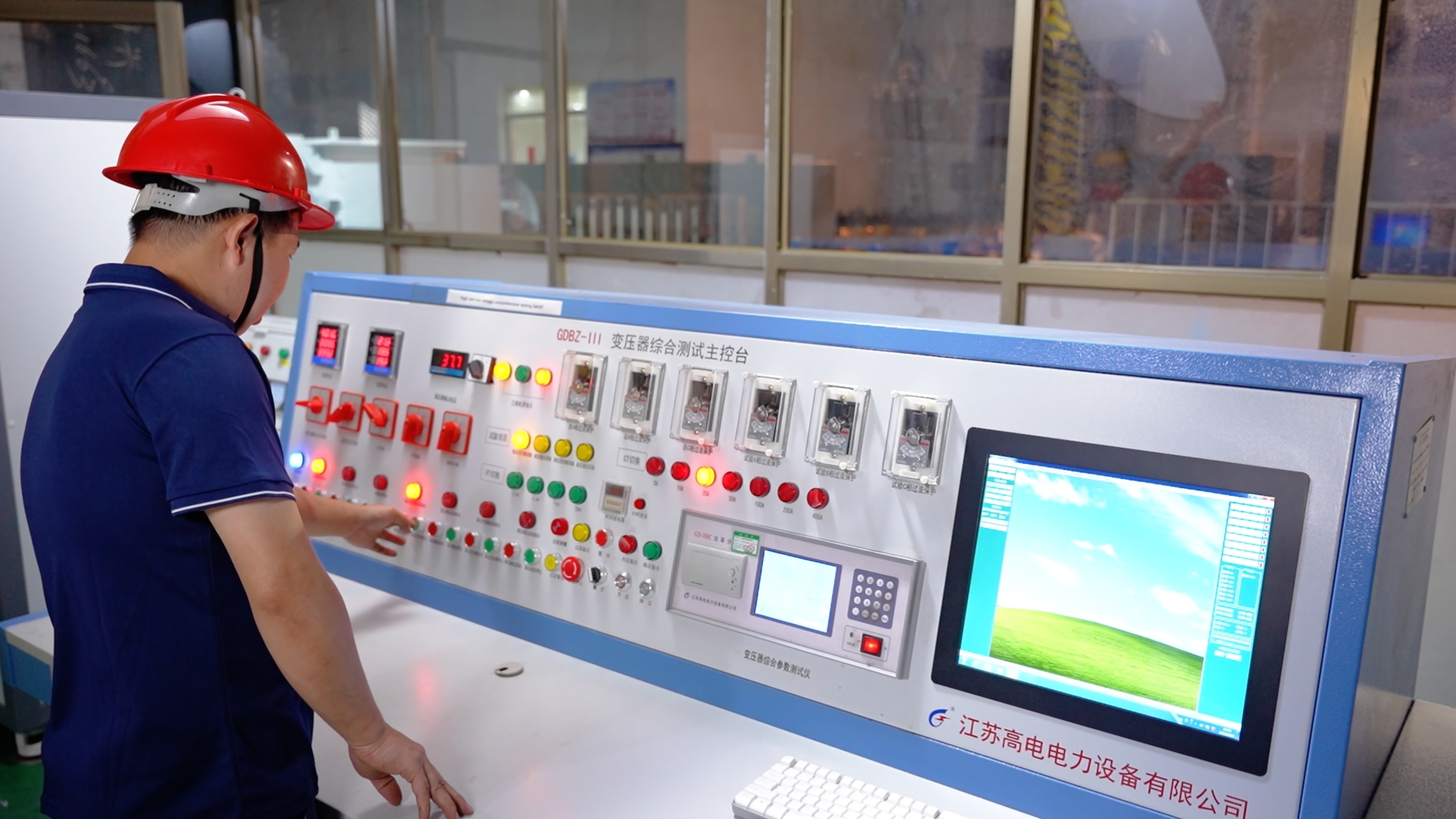
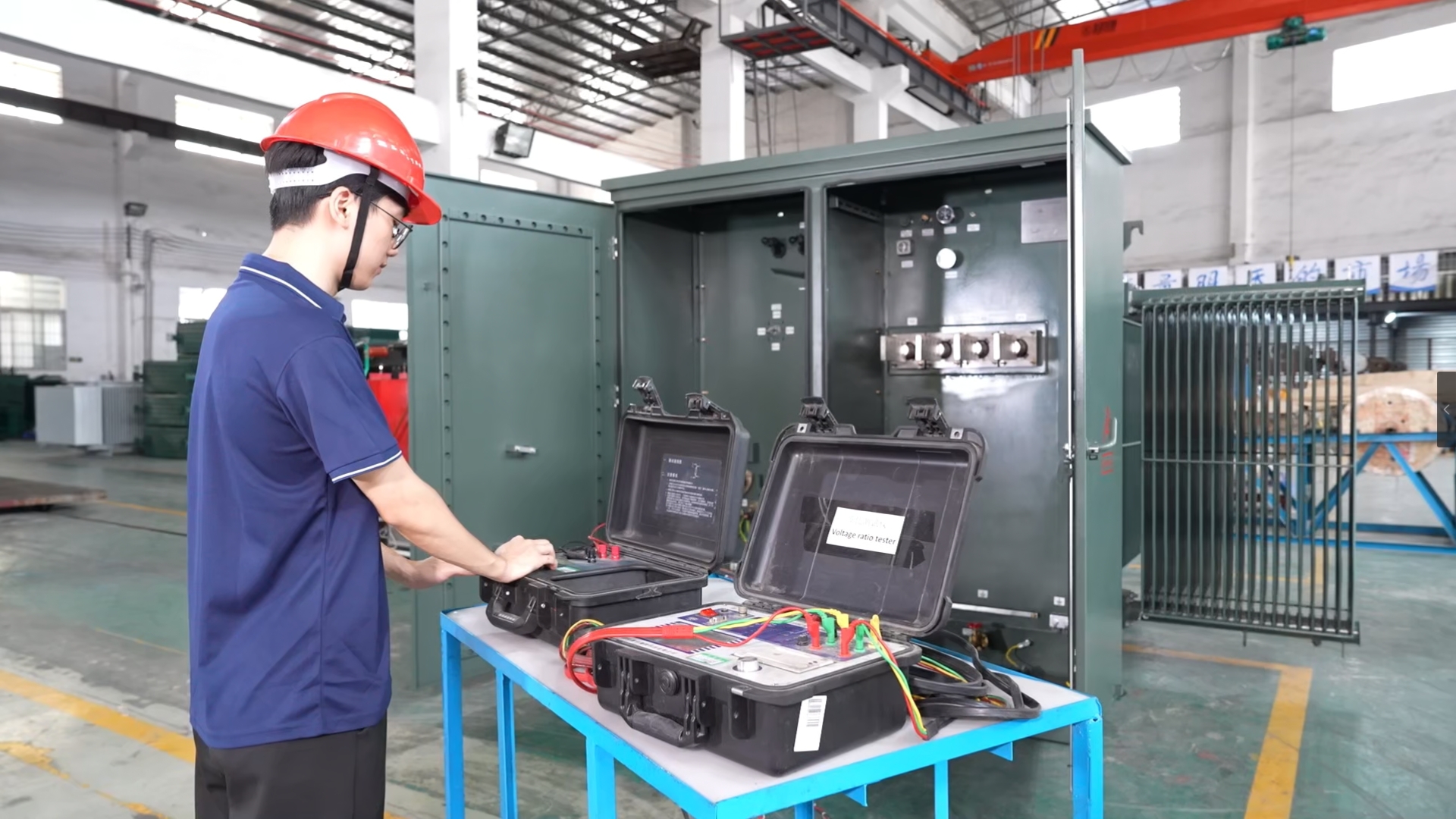
Acceptance criteria are defined as pre-shipment test, so the test plan should be agreed well before the unit is complete. Winley Electric operates a documented quality system under ISO 9001 requirements, maintains a transformer material traceability system and a supplier evaluation mechanism, and runs professional type test equipment including lightning impulse test devices alongside conventional testing equipment. Every unit undergoes strict factory inspection in accordance with standard specifications before it leaves the factory — which means the acceptance conversation is about when and how the EPC witnesses and receives those results, not whether they exist.
Step 7 — Hand over to operations with a live support channel
The relationship does not end at shipment. Winley Electric provides 24/7 comprehensive technical support for customers, covering product selection recommendation, drawing design, accessory selection, acceptance support, transportation planning and installation guidance, and offers a 2-year free maintenance service. For an EPC, the practical implication is that commissioning questions have a defined destination instead of becoming an open-ended search for the right person.
How the Workflow Changes by Project Type
The same seven steps apply across project types, but the emphasis shifts. What follows is how the communication focus changes for four common North American scopes.
Utility substation upgrades and main power transformers
Utility scopes carry the longest approval chains, which makes Step 1 and Step 2 the critical ones. When multiple internal reviewers and an owner's engineer are involved, the consolidated comment sheet in Step 3 is what prevents the review chain from multiplying revisions. Freeze the parameter sheet early and keep the standard basis explicit from the first document.
Data center substation transformers
Data center projects compress design and delivery into a shorter window, and transformer demand in this segment is rising sharply — from USD 2.2 billion in 2023 toward USD 5.9 billion by 2030, per Strategic Market Research. Because schedule tolerance is low, the highest-value communication practice here is a fixed weekly technical call with a written action list, so that clarifications are resolved in days rather than cycles.
Solar and renewable energy substation transformers
Renewable projects add site-specific electrical conditions and interconnection timing constraints to the normal parameter set. Step 2 matters most: the parameter sheet has to state the voltage transformation direction, the cooling mode and the site conditions clearly, because those parameters are what the design is built around rather than adjusted to afterwards.
Industrial parks, commercial complexes and compact substations
Smaller scopes are not simpler communication problems — they simply have less room for rework. This is where the minimum order quantity of 1 set becomes relevant, because it allows a single unit to be customized rather than standardized. The communication discipline that matters is scope definition: agree the accessory selection, enclosure expectations and delivery destination before the drawing loop starts.
Production Cycle, Cost and Standard Alignment: A Factual Comparison
The table below sets out the delivery-model figures that Winley Electric publishes in its own comparison data for substation transformer sourcing. It describes a delivery model, not a third-party benchmark.
| Comparison dimension | Winley Electric ODM substation transformer model |
|---|---|
| Average production cycle | 12 weeks |
| Cycle comparison | Average production cycle of substation transformers in the United States: 80-120 weeks |
| Cost position | 20%-30% lower than the U.S. factory build comparison |
| Standard alignment | Produced in accordance with ANSI/IEEE standards and meeting DOE efficiency requirements |
| Maintenance profile | Less maintenance |
| Application coverage | Power substations, industrial parks, commercial complexes, large buildings, new energy power stations, municipal power distribution networks, heavy industrial bases, and power engineering projects |
Source note: the cycle, cost and maintenance figures above are drawn from Winley Electric's own comparison data on substation transformer delivery models. Standards alignment reflects Winley Electric's manufacturing basis. EPC teams should validate all commercial and technical figures against their own project specification.
The operational reading of this table is not simply that one model is faster or less expensive. It is that a 12-week production cycle leaves very little slack for clarification delays. On a 12-week build, two weeks of unanswered questions is roughly one sixth of the total manufacturing window — which is why the communication discipline described above is a schedule control, not a courtesy.
Frequently Asked Questions
What compliance documentation should an EPC request before freezing the design of a substation transformer?
Request the certification set and the standard basis in writing before the design freeze. Winley Electric is certified by UL and cUL and holds ISO, CE, TUV and EMC certification, and its transformers meet ANSI/IEEE/CSA/DOE2016/IEC60076 standards. For North American projects, confirm which standard system governs the design: the IEEE C57 series is the primary basis for substation transformer designs in the region, while UL 1561 and UL 1562 apply to liquid-filled and dry-type units respectively. Winley Electric can also open UL partner authorization where a customer needs that for its own market access.
How does a Chinese ODM handle drawing design and customization for a North American project?
It handles it through an engineering team that works in the relevant standard system. Winley Electric's R&D team includes dozens of experienced senior engineers proficient in transformer standards used across different markets, including ANSI, IEEE, CSA, DOE2016, NEMA and IEC, and the company has obtained more than 20 patents for independent R&D. The customization scope covers product selection recommendation, drawing design, accessory selection, acceptance support, transportation planning and installation guidance. The practical way to manage it from the EPC side is one consolidated comment sheet per drawing revision, so the design converges instead of looping.
What are the commercial terms on a first custom substation transformer order?
Winley Electric's standard purchasing terms are: minimum order quantity of 1 set; delivery terms FOB/CIF, or as required by the customer; acceptance criteria defined as pre-shipment test; and payment terms T/T. Because these terms are fixed, the budget conversation can stay focused on technical scope rather than late-stage commercial negotiation. On cost position, Winley Electric's own comparison data indicates a cost difference of 20%-30% lower than the U.S. factory build comparison for substation transformers.
How can an EPC validate substation transformer quality before shipment?
Through scheduled hold points and pre-shipment testing. Winley Electric operates mandatory stop points in its manufacturing process, typically set after irreversible processes or before critical performance tests, and authorized quality control personnel must inspect and sign off at each point before the next process proceeds. The factories run a quality management system in strict accordance with ISO 9001 requirements, maintain a transformer material traceability system and a supplier evaluation mechanism, and use professional type test equipment such as lightning impulse test devices in addition to conventional testing equipment. All products undergo strict factory inspection in accordance with standard specifications before leaving the factory, and acceptance criteria are defined as pre-shipment test.
What production cycle should be planned, and how does communication affect it?
Winley Electric's average production cycle for substation transformers is 12 weeks, compared with an average of 80-120 weeks for substation transformers in the United States according to Winley Electric's comparison data. That cycle assumes clarifications are answered in days rather than weeks, drawings are approved at agreed revisions, and hold points are scheduled rather than discovered. To start that process on your own project — including the parameter sheet, drawing design and pre-shipment test plan — you can contact Winley Electric for a project-specific quote or to discuss a customized unit before committing to full production.
Conclusion: Communication Discipline Is the Real Lead-Time Buffer
When an EPC selects a Chinese ODM for a custom substation transformer, the manufacturing capability question is usually settled at the supplier evaluation stage. What is not settled is whether the two organizations can move a design from specification to pre-shipment acceptance without losing weeks to ambiguity, duplicate comments and unrecorded decisions.
The workflow that prevents those losses is unglamorous and repeatable: named interfaces by discipline, a numbered clarification register, one consolidated comment sheet per revision, compliance evidence collected before design freeze, hold points scheduled in advance, acceptance defined as pre-shipment test, and a documented support channel after delivery. Applied to a 12-week production cycle, that discipline is the difference between a project that runs to plan and a project that spends its buffer on email.
Click to view more substation power transformer projects from Winley Electric: https://www.winley-electric.com/supplier-4803516-substation-power-transformer
Next step
If you are preparing a North American substation, data center, renewable or industrial substation transformer package and want the communication and documentation process mapped to your project before production begins, Winley Electric can provide product selection support, drawing design, acceptance support and a pre-shipment test plan from the first technical review.
Website: www.winley-electric.com | Email: steven@winley-electric.com | WhatsApp: +8618650108051

Have Questions or Need More Details?
Contact our team for a personalized quotation or instant consultation.
Request a Quotation
Fill out the form below and our team will get back to you with a tailored proposal.
WhatsApp Direct Chat
Prefer to chat in real-time? Message us on WhatsApp for instant assistance & quick answers.
- Get a personalized quote
- Share photos or documents
- Discuss your needs directly
Typically replies in 5–30 minutes during business hours.