Engineering a Custom Substation Transformer for North America: The ODM Route to Approval and Delivery
A substation transformer is not an off-the-shelf commodity when it drives a utility interconnection, a solar plant, a data-center campus, or an industrial expansion. For North American buyers, the practical route is often ODM customization: define the electrical and mechanical requirements, engineer the unit around site conditions, then manage compliance and export acceptance as one workflow. This guide explains how that workflow works and how Winley Electric has applied it to large substation transformer deliveries.
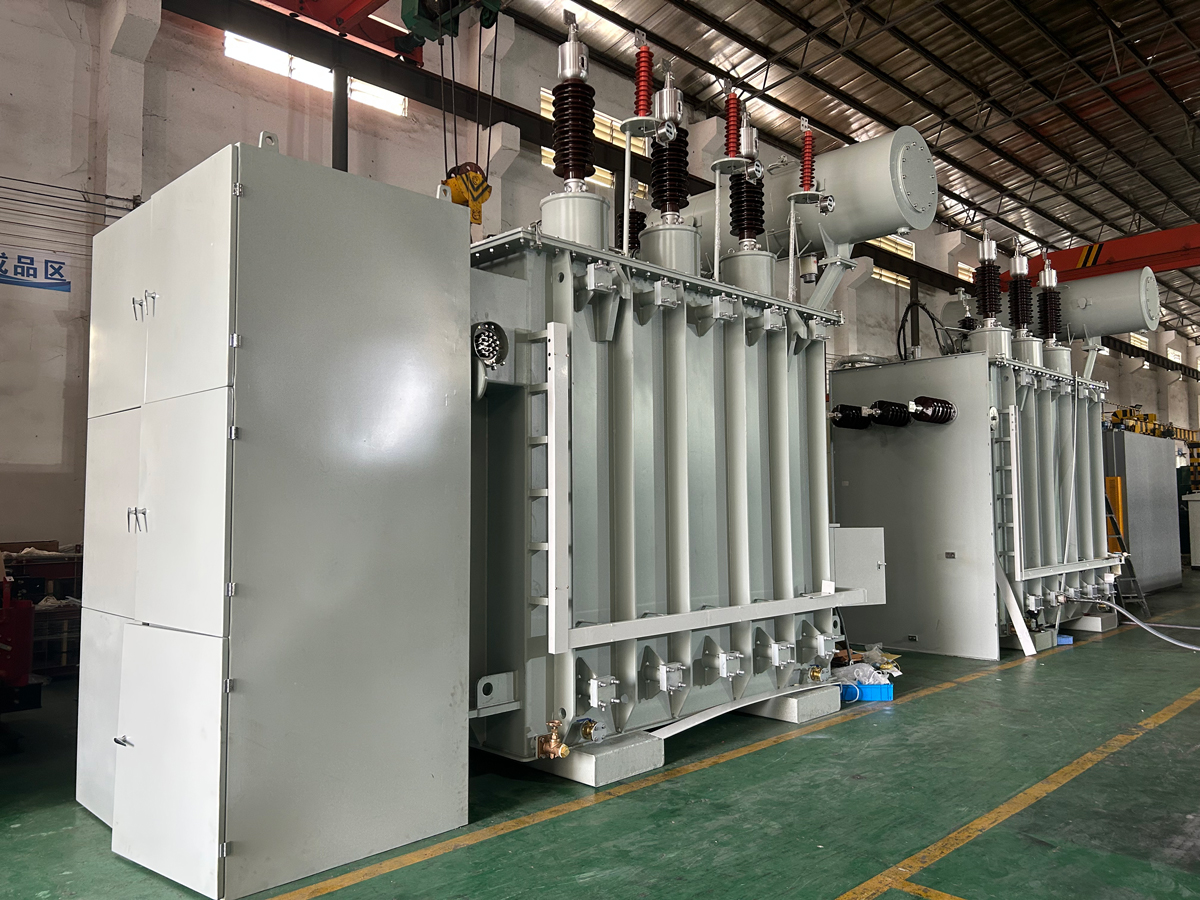
Why standardized substation transformer designs often miss the project requirement
Every substation has a context: source voltage, target voltage, load profile, fault level, ambient temperature, noise limit, physical footprint, protection scheme, and inspection requirement. A standard design may solve one part of that context, but not all of it. In North America, utility specifications also require traceable compliance with ANSI, IEEE, DOE, CSA, or applicable local standards. If a manufacturer cannot engineer the electrical parameters, the transformer can fail to coordinate with switchgear, relays, or grid operations.
Large MVA units add another constraint: manufacturing capacity and lead time. In a U.S. utility project, the industry backlog for 30–50 MVA liquid-filled substation transformers often exceeded 100 weeks, while Winley Electric delivered two 40 MVA conservator-type units in 12 weeks. For a project with a fixed energization date, that difference is decisive.
Substation transformer demand is being reshaped by grid and energy transition projects
According to MarketsandMarkets, the global transformer market is estimated at USD 64.64 billion in 2025 and is projected to reach USD 88.48 billion by 2030, driven by grid modernization and rising electricity demand. Grand View Research reports that oil-immersed transformers held about 59.3% of the power transformer segment in 2025, and Asia Pacific accounted for about 41.1% of the global market. Global Market Insights values the substations market at USD 128.5 billion in 2024, with growth to USD 178.9 billion by 2034.
Two specialty segments are growing even faster. Strategic Market Research projects data center transformer demand will rise from USD 2.2 billion in 2023 to USD 5.9 billion by 2030. SNS Insider projects the smart transformer market will grow from USD 3.17 billion in 2025 to USD 10.15 billion by 2035. These segments require custom substation power transformers for solar substations, wind farms, battery storage, EV charging hubs, and hyperscale data centers.
For North America specifically, substation transformer designs are primarily governed by the IEEE C57 series, while UL 1561 and UL 1562 apply to liquid- and dry-type units. This is why certification and design approval must be part of ODM engineering, not a post-production afterthought.
How ODM customization works for a large substation transformer
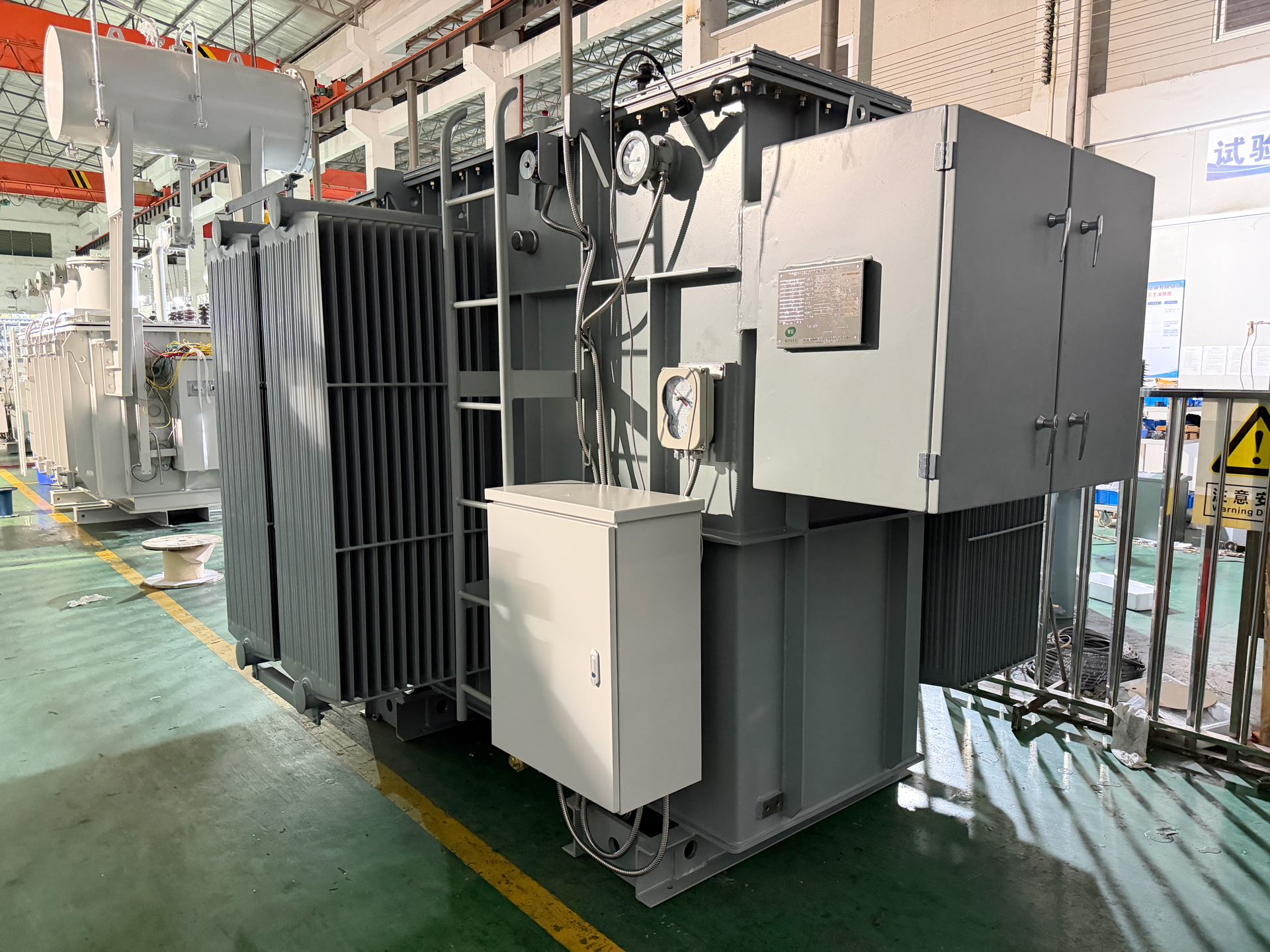
Xiamen Winley Electric Co., Ltd. is a UL/cUL-certified transformer manufacturer founded in 2014, headquartered in Xiamen, China, with manufacturing facilities in Shanghai and Guangdong. It supplies transformers rated 145 kV and below to more than 60 countries. For substation power transformers, Winley Electric provides OEM/ODM manufacturing up to 100 MVA and 145 kV, with project-specific customization of capacity, voltage ratio, winding configuration, impedance, loss levels, cooling method, tap-changing system, terminal arrangement, protection and monitoring functions, structural design, testing, documentation, and transportation requirements.
Design envelope: capacity, voltage, and standards
The substation power transformer product line covers 150 kVA to 100 MVA. The primary voltage range is usually 2.4 kV to 138 kV, and the secondary voltage range is usually 0.6 kV to 35 kV. The transformer is designed to comply with NEMA, ANSI C.57, DOE, and IEEE standards.
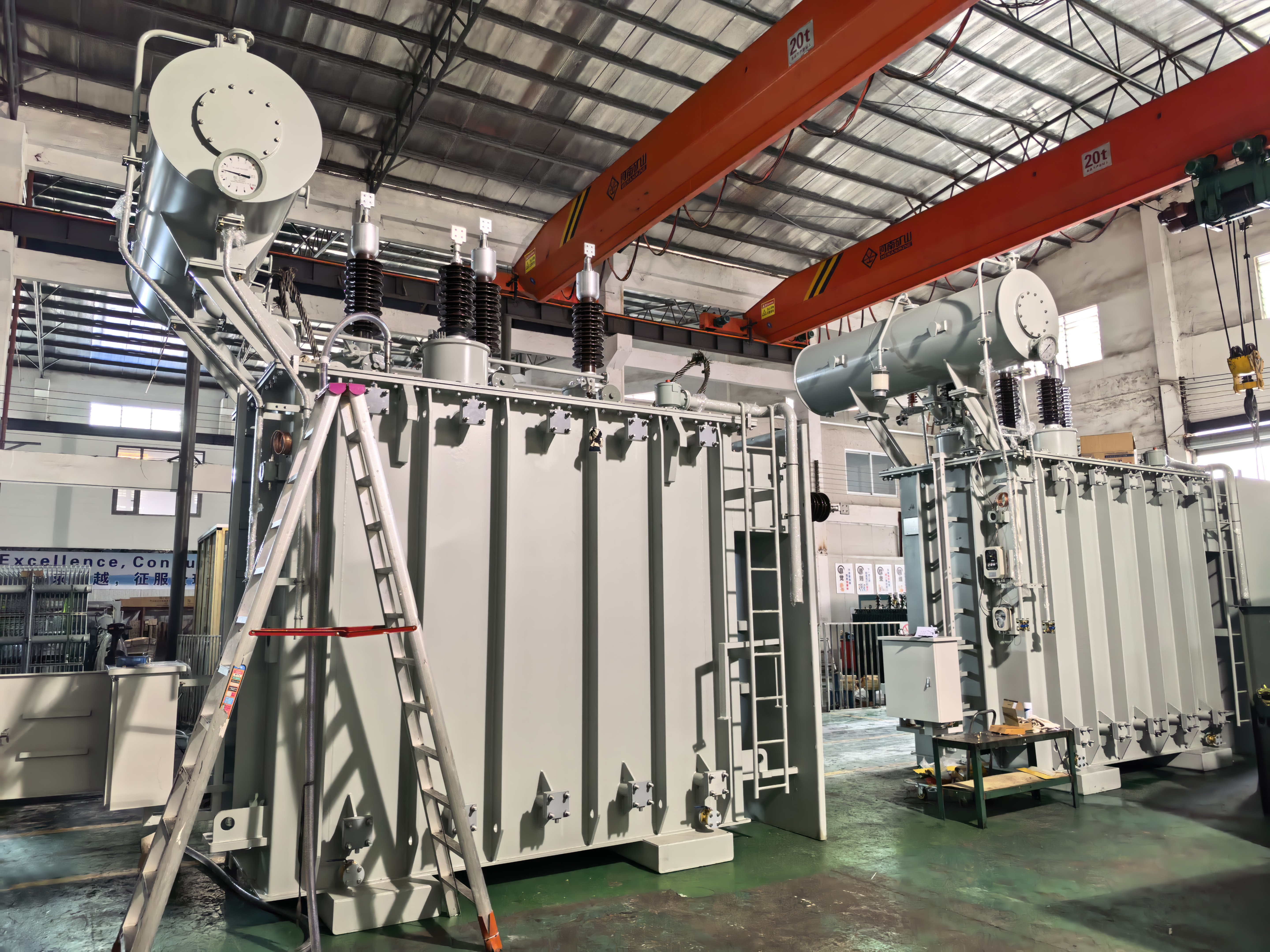
Electrical parameters that affect real project performance
Winding configuration determines phase shift and grounding behavior. Impedance affects voltage regulation, fault current, and coordination with switchgear. Loss levels affect the owner's operating cost. Cooling method defines how the transformer handles continuous or cyclic loading. Tap-changing system determines voltage-regulation flexibility. For large North American projects, these parameters should be reviewed by both the procurement team and the protection engineer.
Accessory and component integration
To match utility maintenance preferences, ODM projects can integrate customer-specified components from recognized brands such as Qualitrol, Eaton Cooper Power series, and Maschinenfabrik Reinhausen (MR). This matters in North America because utilities often standardize on specific pressure-relief devices, controls, or tap changers.
Enclosure, environment, and transport
Mechanical design is also part of ODM. Delivered Winley projects include 304 stainless steel construction with NEMA 4X weatherproof enclosures for harsh outdoor conditions, and specialized transportation solutions for heavy units. Site constraints such as salt fog, wind-driven rain, dust, or restricted space can be addressed in the structural design.
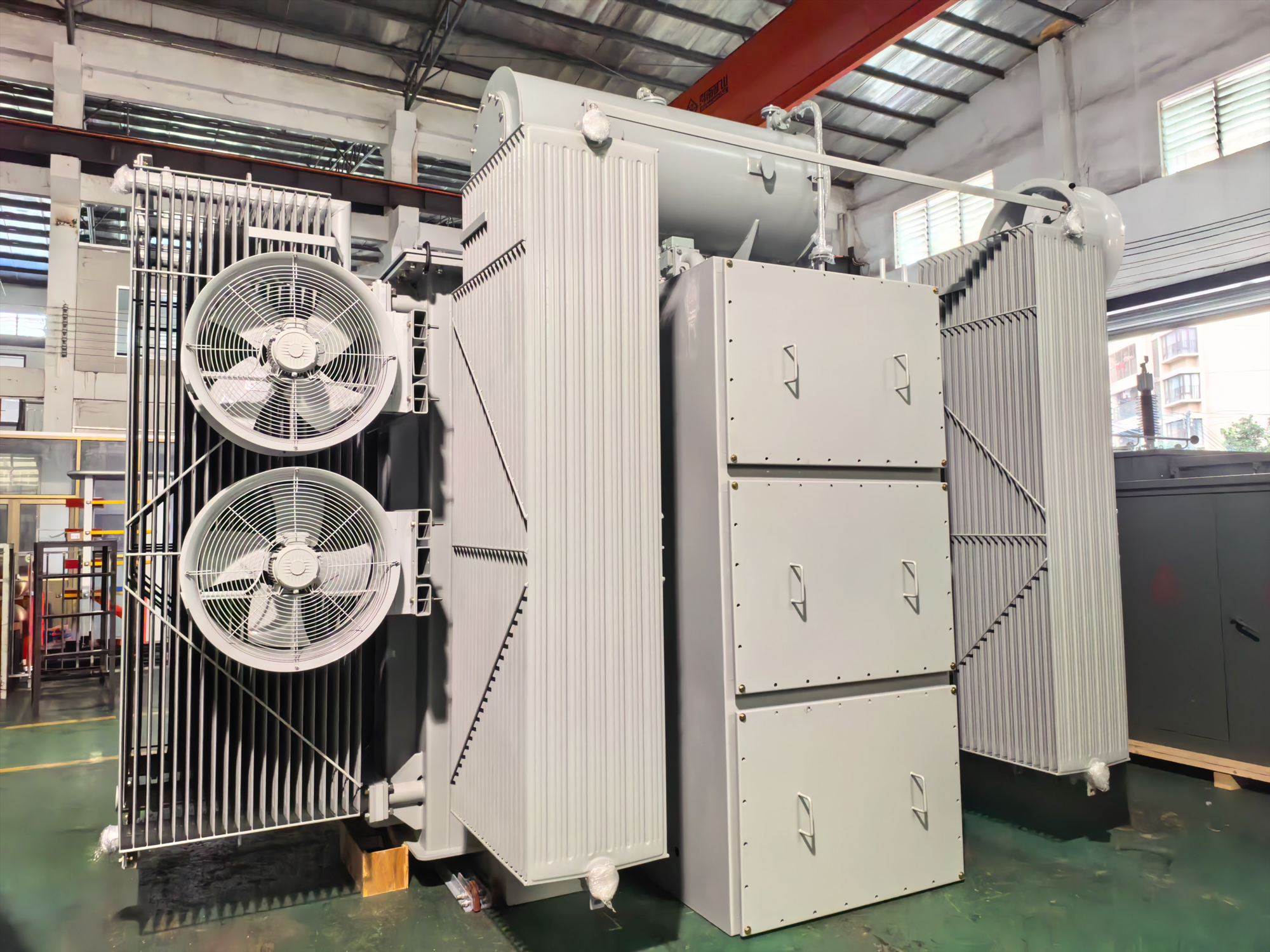
Certification and compliance in the same workflow
Winley operates ISO 9001, ISO 14001, and ISO 45001 management systems, and holds UL/cUL certification for pad-mounted transformer families. The cUL certification E536138 issued by UL Solutions under CSA C227 covers single-phase and three-phase pad-mounted transformers. For substation power transformers, the product is designed to NEMA, ANSI C.57, DOE, and IEEE, with factory routine testing and documentation. Buyers who need a separate UL listing should define the listing scope early, because listing requirements differ by product family.
Step-by-step ODM process for a North American substation transformer
- Define the project baseline. Document the utility source voltage, load voltage, kVA/MVA rating, load profile, site altitude, ambient temperature, short-circuit requirement, noise limit, and applicable standards.
- Choose OEM or ODM scope. Build-to-print OEM uses the buyer's approved drawings. ODM adds engineering, design adaptation, component selection, and documentation support. Winley supports both models.
- Submit technical requirements. Include capacity, primary/secondary voltage, winding configuration, impedance, loss levels, cooling method, tap changer, terminal arrangement, protection/monitoring, enclosure, and delivery destination.
- Review design proposal and drawings. Winley provides product selection recommendation, drawing design, accessory selection, acceptance support, transportation plan, and installation guidance. This is the point where standards and component choices are locked.
- Confirm components and quality plan. If the utility requires specific accessories from Qualitrol, Eaton Cooper Power series, or MR, these can be integrated. Confirm routine tests and any type-test requirements such as lightning impulse.
- Manufacture under ISO 9001 process control. Dedicated QC oversight and material traceability support the production process. Every unit is scheduled for routine testing, including winding resistance, turns ratio, polarity and phase relation, and no-load loss.
- Perform factory inspection and documentation. Review routine test reports, drawings, and export documents before shipment. Acceptance support is part of the ODM service.
- Plan export packing, transport, and after-sales support. Heavy transformers require route-specific planning. Winley provides project-specific transportation strategies, a 24-month warranty from bill of lading, and free replacement of damaged accessories when photos are provided.
Use cases: delivered substation transformer ODM projects
34 MVA units for a U.S. electrical contractor
Winley Electric completed two 34 MVA substation power transformers for utility and industrial applications. The units were built to ANSI/IEEE standards, equipped with 304 stainless steel construction and NEMA 4X weatherproof enclosures, and completed in 12 weeks.
40 MVA units for a U.S. utility company
Two 40 MVA conservator-type liquid-filled step-down substation transformers were delivered to address grid modernization and aging substation renovation. The in-house production and testing cycle was completed in 12 weeks, with full ANSI/IEEE compliance and project-specific logistics support. This compared with the industry's typical 100-week-plus backlog for similar ratings.
6.5 MVA solar step-up transformers for a Honduras solar project
Two 6.5 MVA oil-immersed double-split step-up transformers were customized for a large ground-mounted solar plant. They step up 480 V to 13,800 V for grid interconnection, were built to IEC standards, matched the local 60 Hz grid, and were delivered in 7 weeks. The project supports roughly 10 MW of clean power for southern Honduras.
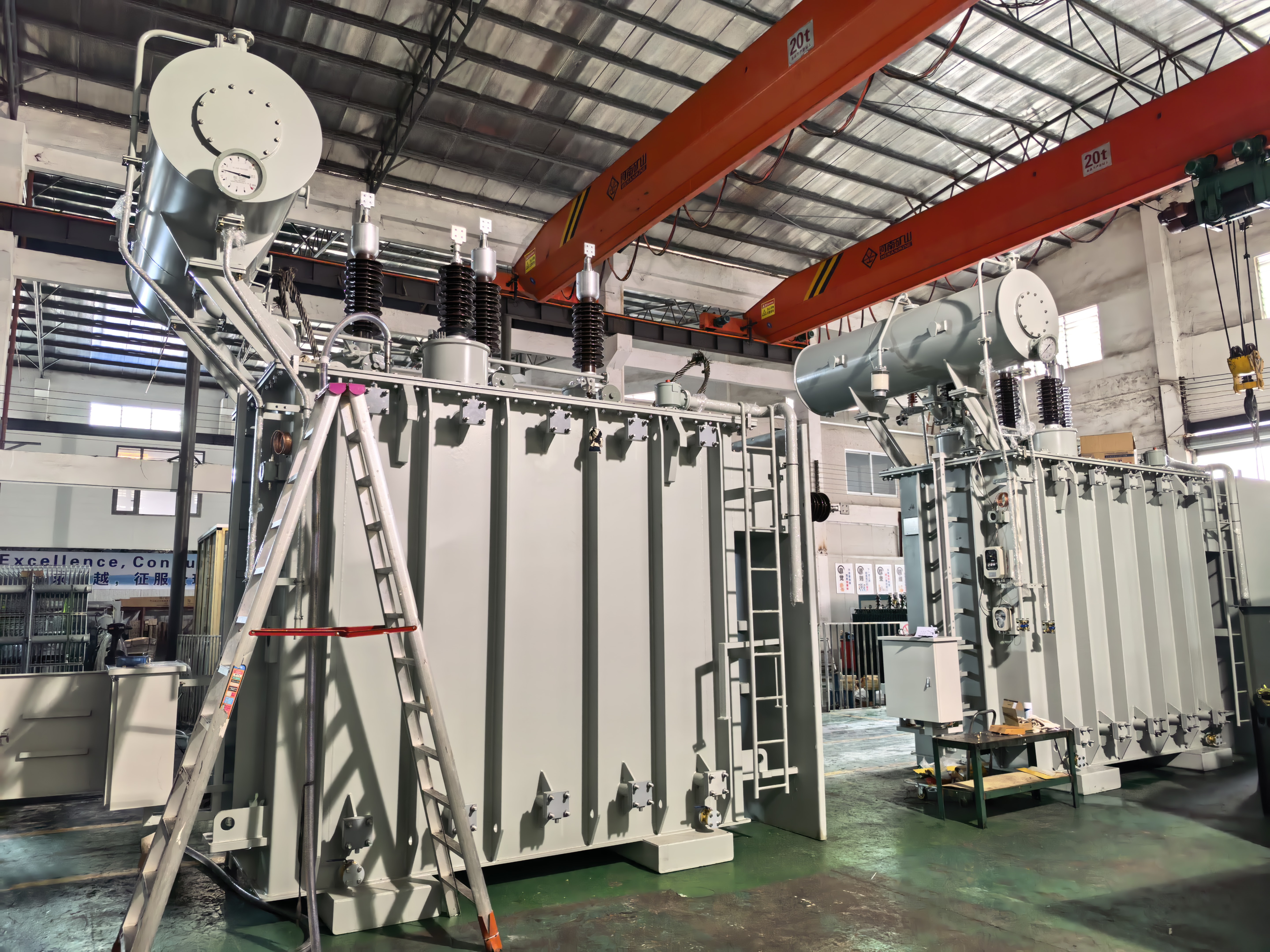
Substation transformer ODM: customization matrix
| Customization area | Winley Electric ODM offering | Why it matters for North American projects |
|---|---|---|
| Capacity | 150 kVA – 100 MVA | Determines how much load can be served and how the unit fits future expansion. |
| Primary voltage | Usually 2.4 kV – 138 kV | Must coordinate with the utility or collector grid. |
| Secondary voltage | Usually 0.6 kV – 35 kV | Must match plant distribution or load voltage. |
| Standards | NEMA, ANSI C.57, DOE, IEEE | Required for most North American procurement and interconnection packages. |
| Customization scope | Capacity, voltage ratio, winding configuration, impedance, loss levels, cooling method, tap-changing system, terminal arrangement, protection/monitoring, structural design, testing, documentation, transportation | Defines the full technical and commercial boundary of the project. |
| Component integration | Qualitrol, Eaton Cooper Power series, Maschinenfabrik Reinhausen (MR) | Aligns the transformer with utility-preferred accessories and maintenance practices. |
| MOQ | 1 unit | Allows a pilot ODM project for qualification. |
| Lead time | 8–10 weeks for <10 MVA; 10–12 weeks for 10–40 MVA; 18–20 weeks for 40–100 MVA | Used to align energization and construction schedules. |
Frequently asked questions about substation transformer ODM
What compliance requirements affect a custom substation transformer for North America?
Substation transformer designs for North America are primarily governed by IEEE C57. UL 1561 and UL 1562 cover liquid- and dry-type units. Winley's substation power transformer is designed to comply with NEMA, ANSI C.57, DOE, and IEEE. In addition, Winley holds ISO 9001, ISO 14001, and ISO 45001 certifications, and its pad-mounted transformer families carry cUL certification under CSA C227 with certificate number E536138. For a custom project, the applicable standards should be listed in the technical specification before design approval.
What engineering parameters can be customized in an ODM substation transformer?
Winley Electric provides OEM/ODM manufacturing for substation power transformers rated up to 100 MVA and 145 kV. Customization can include capacity, voltage ratio, winding configuration, impedance, loss levels, cooling method, tap-changing system, terminal arrangement, protection and monitoring functions, structural design, testing, documentation, and transportation requirements. Customer-specified components from Qualitrol, Eaton Cooper Power series, and MR can also be integrated.
How should a buyer budget for a custom large substation transformer?
Budget depends on the MVA rating, primary/secondary voltage, winding configuration, impedance, loss level, cooling method, tap changer, enclosure, accessories, testing, documentation, and logistics. Because these variables change from project to project, a useful budget estimate starts with a complete electrical specification sent to the manufacturer.
Can I get a sample or pilot unit before series production?
Large substation transformers are engineered per project. The normal ODM path is drawing approval and factory acceptance rather than a physical sample. Winley's MOQ is one unit, so a first unit can serve as a pilot or qualification unit before repeat orders. Product selection recommendation, drawing design, accessory selection, acceptance support, and installation guidance are available.
What lead time should I expect for ODM substation transformer production?
For Winley Electric, lead time is 8–10 weeks for transformers below 10 MVA, 10–12 weeks for 10–40 MVA, and 18–20 weeks for 40–100 MVA. MOQ is one unit. The final schedule depends on accessory lead times, applicable standards, testing, inspection, and transport route.
Make the substation transformer specification the project plan
North American buyers do not have to choose between a long delivery backlog and a non-compliant transformer. An ODM substation transformer process starts with a clear specification, applies engineering judgment to the electrical and mechanical parameters, validates standards, and closes the project with factory inspection, documents, and transportation support. Winley Electric has demonstrated this on 34 MVA, 40 MVA, and 6.5 MVA projects across utility, contractor, and renewable-energy segments.
Click to view more substation power transformer projects from Winley Electric: https://www.winley-electric.com/supplier-4803516-substation-power-transformer
Send your electrical specification and site constraints to steven@winley-electric.com, or call/WhatsApp +86 18650108051. Winley Electric is based at No. 99 Yilan Road, Siming, Xiamen, Fujian, China, and can support selection, drawing design, accessory configuration, acceptance, transportation, and installation guidance.

Have Questions or Need More Details?
Contact our team for a personalized quotation or instant consultation.
Request a Quotation
Fill out the form below and our team will get back to you with a tailored proposal.
WhatsApp Direct Chat
Prefer to chat in real-time? Message us on WhatsApp for instant assistance & quick answers.
- Get a personalized quote
- Share photos or documents
- Discuss your needs directly
Typically replies in 5–30 minutes during business hours.