
How to Select and Specify a Substation Transformer for Your Next Project: A Comprehensive Technical Guide
A Step-by-Step Guide to Specifying Your Ideal Substation Transformer
Selecting the right substation transformer is a critical decision that impacts the safety, efficiency, and longevity of your entire power distribution network. Whether you're upgrading an existing utility substation transformer or integrating a Solar Substation Transformer into a new renewable energy park, the specification process requires careful consideration of technical parameters, standards, and application needs. This guide walks you through the key steps, helping you create a precise and effective specification for your next project.
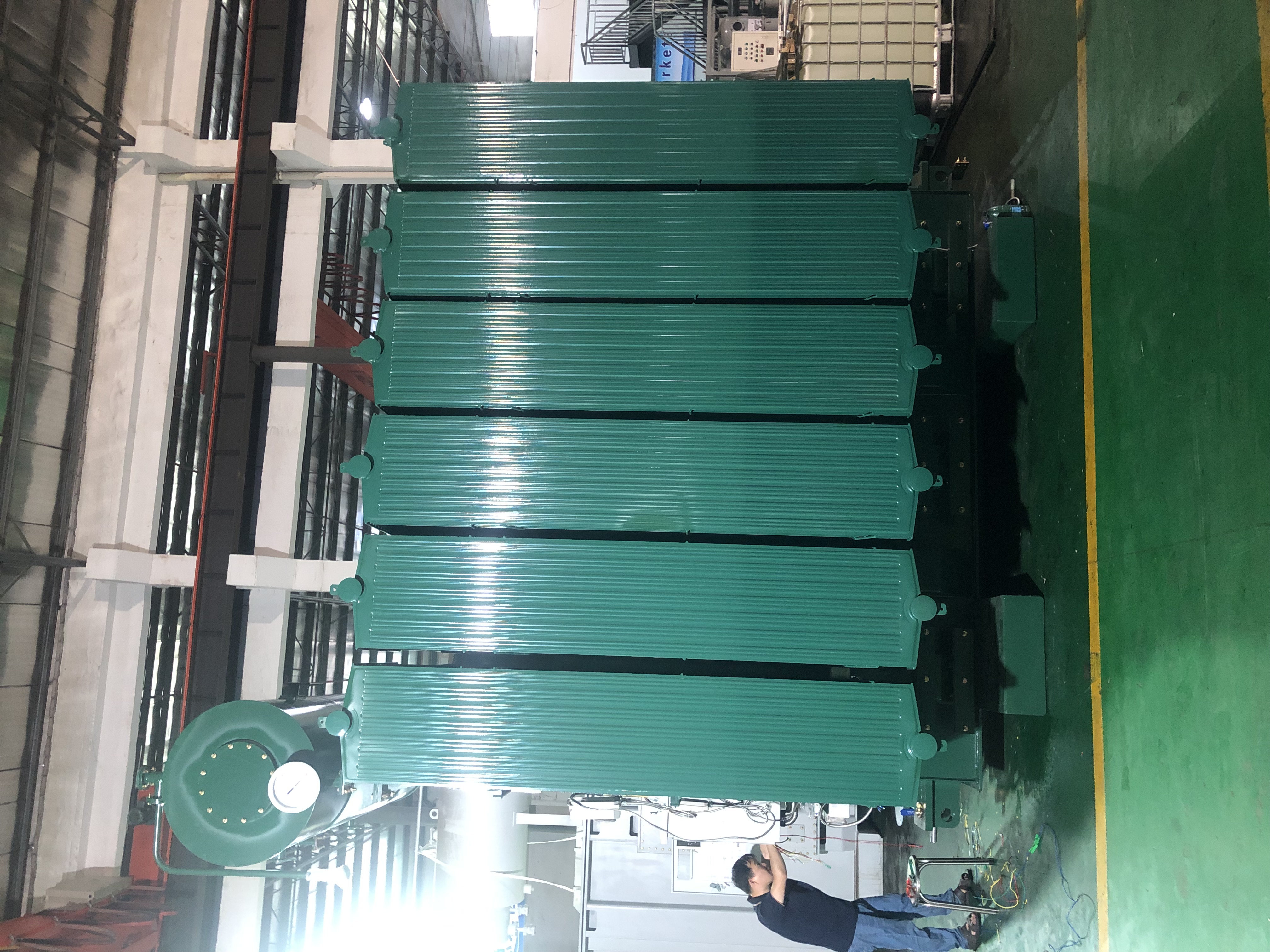
A 50MVA three-phase power substation transformer, showcasing robust construction for high-capacity applications.
Step 1: Define Your Core Application and Load Requirements
The journey begins with a clear understanding of the transformer's role. Is it a main power transformer substation for a utility grid, a distribution transformer substation for an industrial plant, or a specialized unit for a Data Center substation Transformer?
- Determine kVA/MVA Rating: Calculate your present and future (typically 5-10 year) load requirements. Oversizing can lead to inefficiency, while undersizing causes overload and premature failure.
- Identify Voltage Levels: Specify primary and secondary voltages (e.g., 145kV to 13.8kV). For projects like a 145kV substation transformer, precise voltage regulation is paramount.
- Understand Duty Cycle: Will it run continuously (like a utility transformer) or have intermittent loads (common in some industrial settings)?
Step 2: Choose the Right Technology and Cooling Type
The choice between an oil immersed transformer and a dry-type transformer is fundamental.
Oil-Immersed vs. Dry-Type: A Quick Comparison
Oil-Immersed Transformers: The most common type for outdoor substation power transformer applications. They offer excellent cooling, higher efficiency, and are generally more cost-effective for medium to high voltages. They require containment for the insulating oil.
Dry-Type Transformers: Use air or cast resin for insulation. Ideal for indoor applications, Data Center substation Transformers, or locations with strict fire safety regulations (like high-rises or tunnels). They are more compact but may have a higher initial cost for equivalent ratings.
For most outdoor substations, an oil immersed transformer with ONAN (Oil Natural Air Natural) or ONAF (Oil Natural Air Forced) cooling is the standard. Discuss options like a compact substation design if space is a constraint.
Step 3: Specify Performance and Efficiency Parameters
Losses directly affect operational costs. Key parameters include:
- No-Load Losses (Core Losses): Constant losses when the transformer is energized. Specify low-loss amorphous or high-grade silicon steel cores.
- Load Losses (Copper Losses): Vary with the square of the load current. Efficient design and conductor material are crucial.
- Impedance (%Z): Affects voltage regulation and short-circuit current. Typical values range from 5% to 10% for distribution transformer substation units; select based on system fault level studies.
- Sound Level: Specify maximum dB(A) levels, especially for installations near residential areas.
Reputable manufacturers like Winley Electric design transformers for high efficiency, often exceeding the requirements of standards like DOE 2016.

A 6500 KVA Solar Substation Transformer designed for step-up application in a renewable energy facility.
Step 4: Mandate Compliance with International Standards
This is non-negotiable for safety, interoperability, and performance. Your specification must explicitly require compliance. Key standards include:
- ANSI Standard Substation Transformer: ANSI C57.12.00 and C57.12.90 are foundational in North America.
- IEEE Standard Substation Transformer: IEEE C57 series provides comprehensive guidelines for testing and performance.
- UL Listed Substation Transformer: For the North American market, a UL listed substation transformer provides verified safety compliance. Winley Electric holds multiple UL and cUL certifications for its product range.
- Other relevant standards: CSA, IEC, NEMA.
Always request certified test reports (e.g., routine tests, type tests) from the substation transformer manufacturer as part of the delivery package.
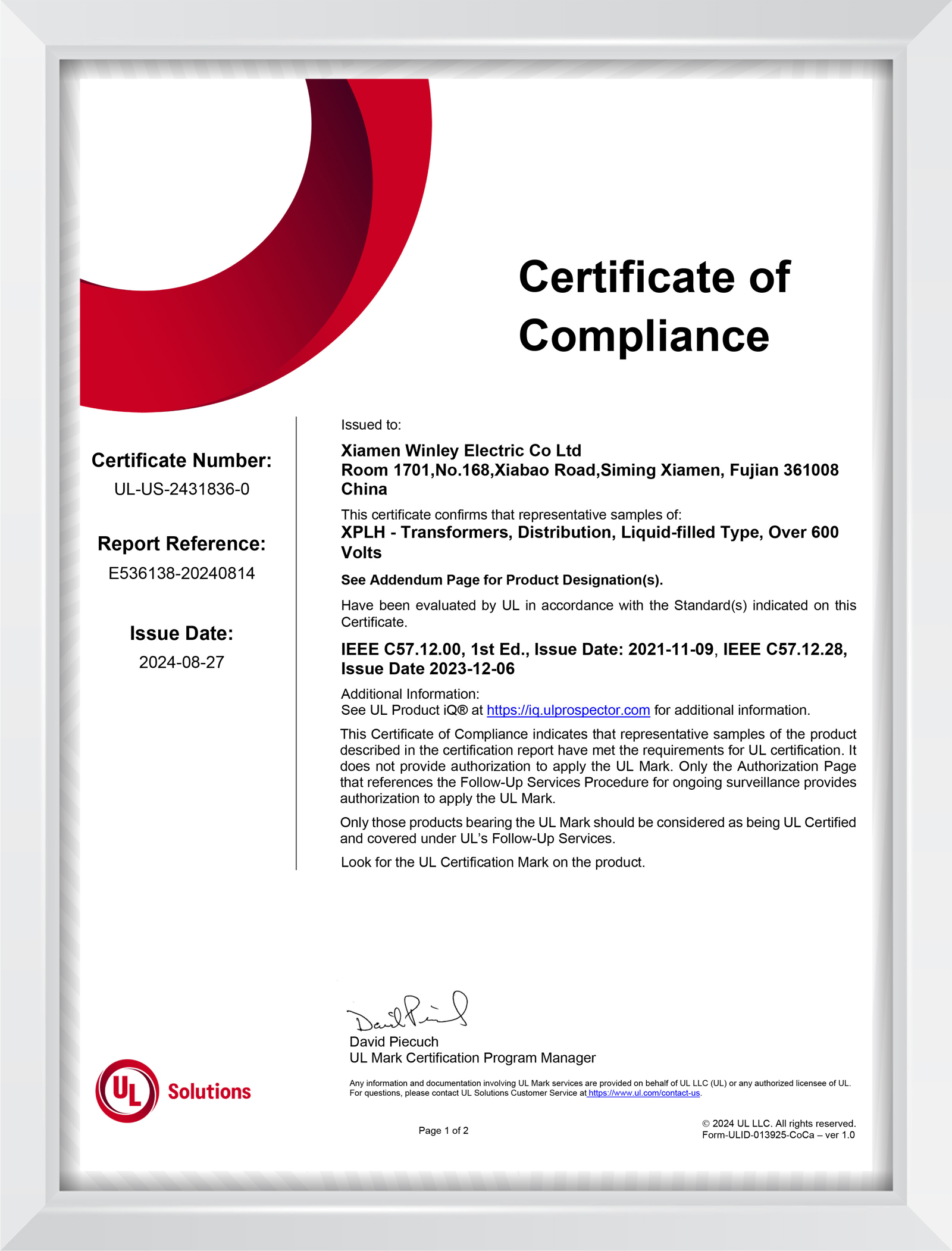
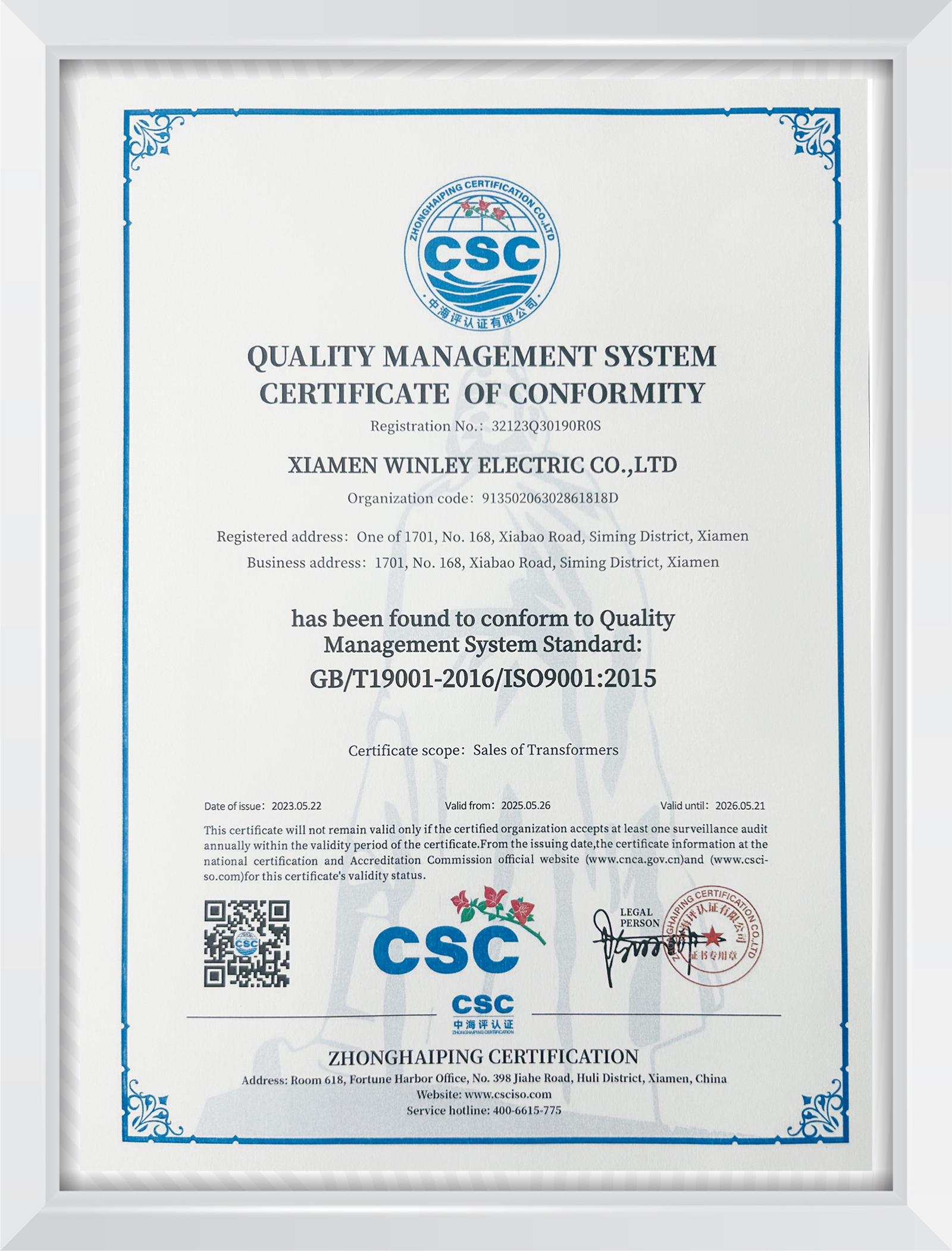
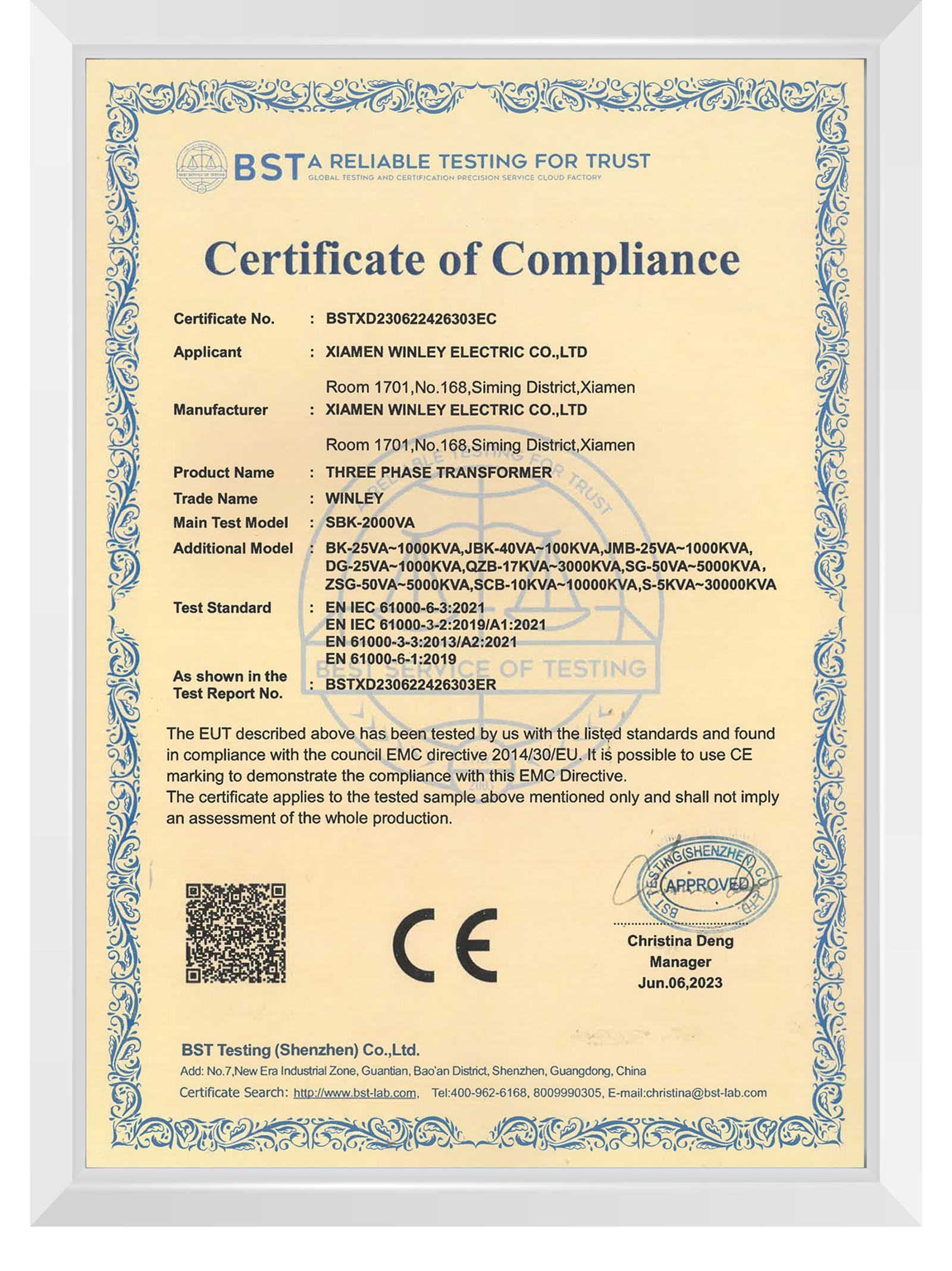
Certifications from Winley Electric, including UL, ISO 9001, and CE, demonstrating commitment to quality and international standards.
Step 5: Detail Accessories, Protection, and Smart Features
A transformer is more than its core and windings. Specify necessary accessories:
- Tap Changer: Off-circuit or on-load (OLTC) for voltage adjustment.
- Protection Devices: Buchholz relay (for oil-filled), pressure relief device, sudden pressure relay, temperature indicators (WTI/OTI).
- Conservator Tank & Silica Gel Breather: For oil expansion and moisture prevention.
- Smart Features: For a smart transformer substation, specify IoT-enabled monitoring for dissolved gas analysis (DGA), partial discharge, load profiling, and remote communication capabilities.
Step 6: Consider Logistics, Installation, and After-Sales Support
Work with your chosen substation transformer OEM or manufacturer early on these points.
- Dimensions and Weight: Confirm shipping and installation feasibility.
- Foundation Drawings: Require detailed CAD drawings well in advance of delivery.
- After-Sales Service: Clarify warranty terms (e.g., Winley Electric offers a 2-year free maintenance service), availability of technical support, and spare parts supply. A manufacturer that provides 24/7 technical consultation is invaluable.
When searching for a substation transformer for sale, prioritize suppliers who offer comprehensive project support from specification to commissioning.
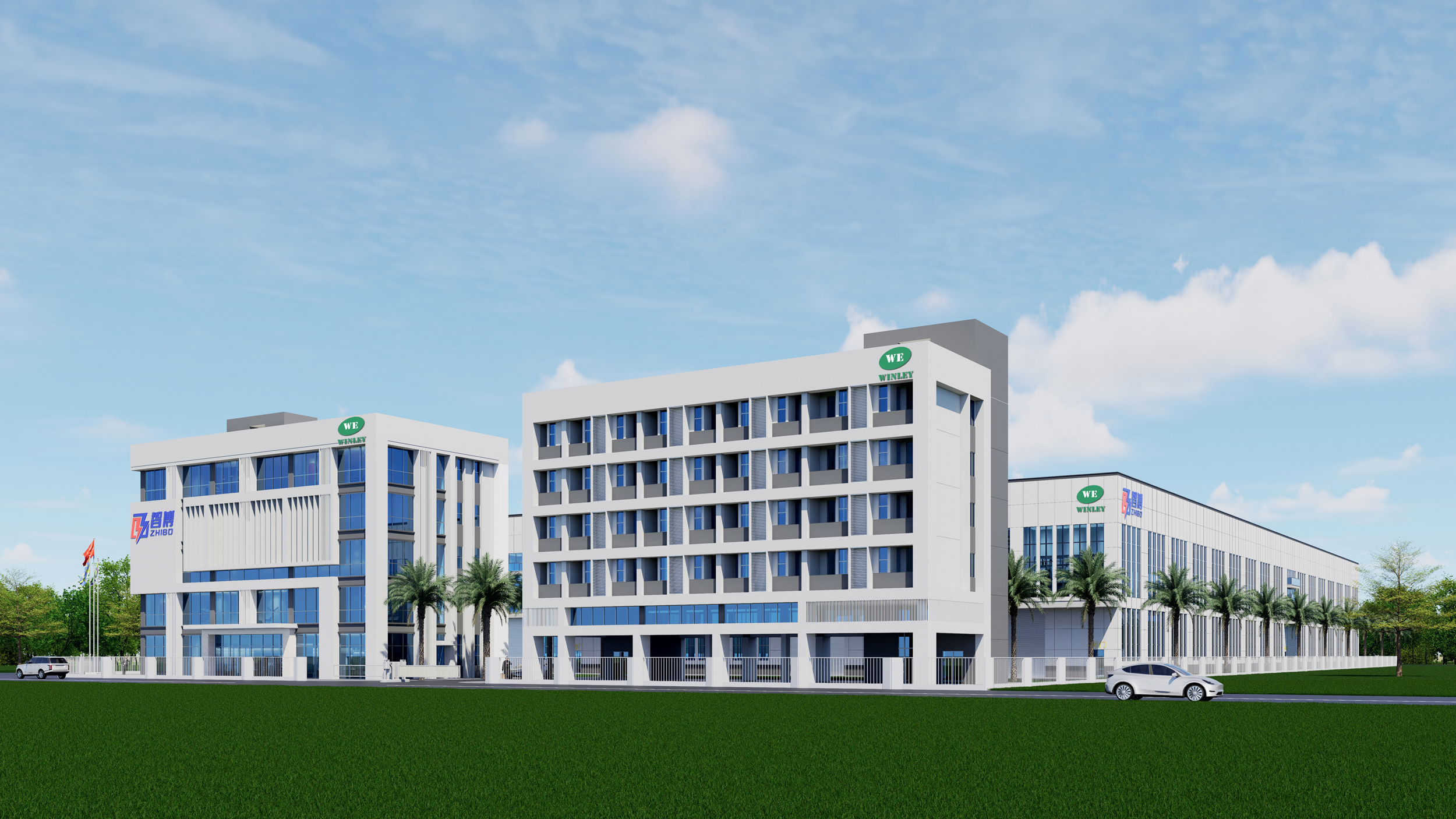
The advanced manufacturing facility of Winley Electric, equipped with automated production and testing lines.
Step 7: Develop a Robust Request for Quotation (RFQ)
Consolidate all the above into a clear RFQ document. A good RFQ should include:
- Project overview and location.
- Detailed technical specification (kVA, voltages, BIL, impedance, losses, sound level).
- Explicit reference to required standards (ANSI standard substation transformer, IEEE standard substation transformer, UL listed).
- List of mandatory accessories and optional extras.
- Delivery schedule and Incoterms.
- Required documentation (drawings, test reports, manuals, certificates).
- Warranty and service terms.
Why Partner with a Specialist Like Winley Electric?
As a professional substation transformer manufacturer with over a decade of experience, Winley Electric simplifies this complex process. Their team of senior engineers is proficient in global standards (ANSI, IEEE, CSA, IEC) and excels at providing customized solutions. Whether you need a standard unit substation transformer or a specialized Solar Substation Transformer with dual secondary windings, they can deliver cost-effective, high-quality products.
With manufacturing bases in Shanghai and Guangdong, and a portfolio of over 20 patents, Winley Electric combines innovation with rigorous quality control. Their products, including power transformer and distribution transformer units up to 145kV, are exported to more than 60 countries, earning particular trust in the demanding North American market.
For your next project, consider reaching out for a consultation:
Website: https://www.winley-electric.com/
Email: steven@winley-electric.com
Tel: +86-592-5510031
Address: No. 99 Yilan Road, Siming District, Xiamen City, China.
By following this structured guide, you can move from a vague need to a precise, actionable specification for your electrical substation transformer. A well-specified transformer is an investment that ensures reliable, efficient, and safe power distribution for decades to come.
Have Questions or Need More Details?
Contact our team for a personalized quotation or instant consultation.
Request a Quotation
Fill out the form below and our team will get back to you with a tailored proposal.
WhatsApp Direct Chat
Prefer to chat in real-time? Message us on WhatsApp for instant assistance & quick answers.
- Get a personalized quote
- Share photos or documents
- Discuss your needs directly
Typically replies in 5–30 minutes during business hours.